A Sunshine Coast charity is launching an important campaign to shine a light on autism spectrum disorder (ASD).
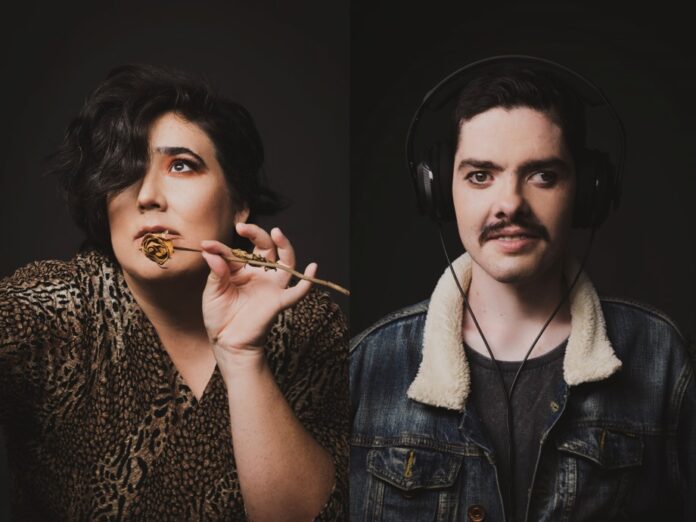
With World Autism and Understanding Day on April 2, the Compass Institute has released a stunning photo collection as part of its See the Able, Not the Label exhibition.
This photo exhibition was created to recognise 20 years of Compass and shift public perception on people with intellectual disabilities.
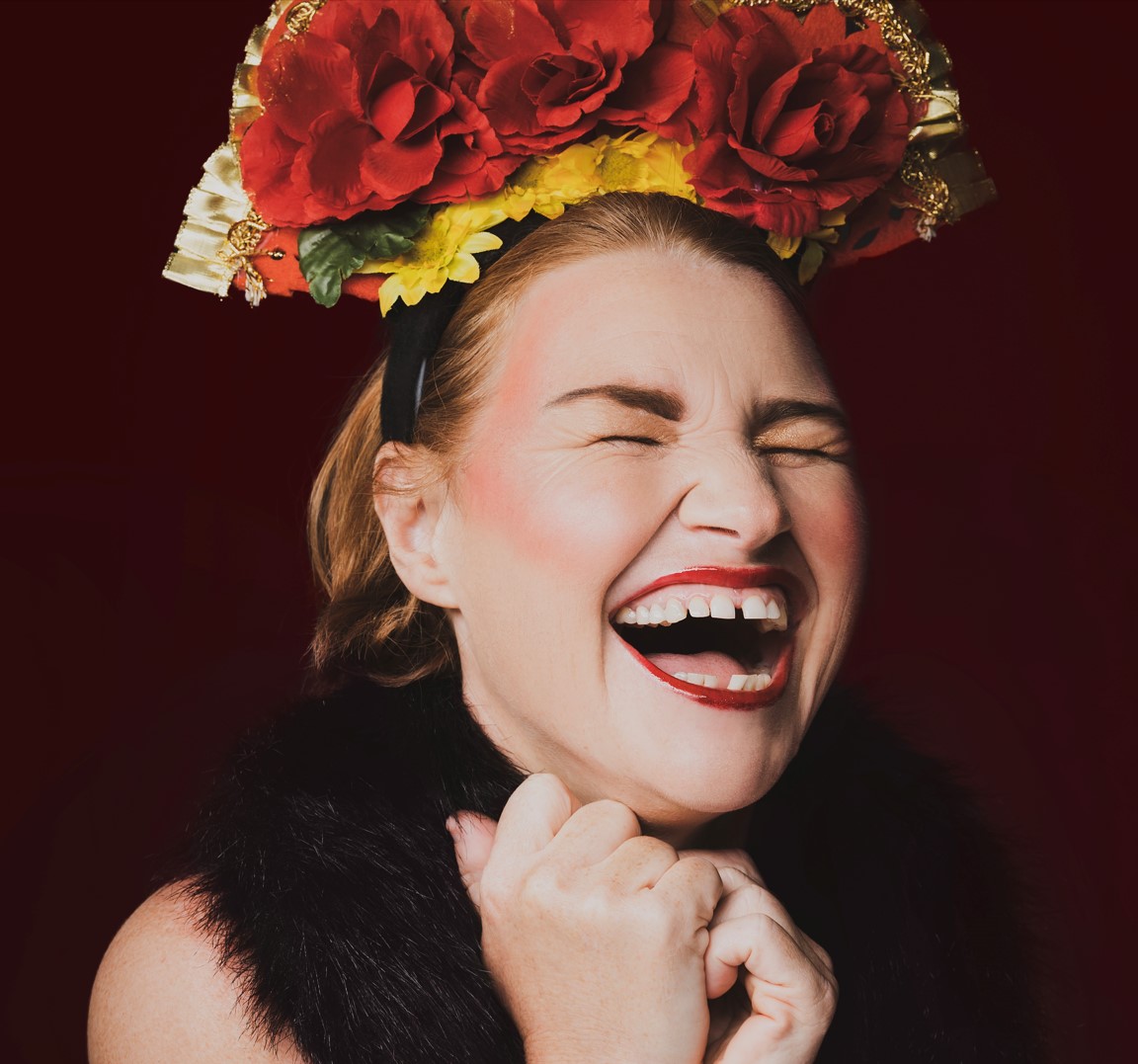
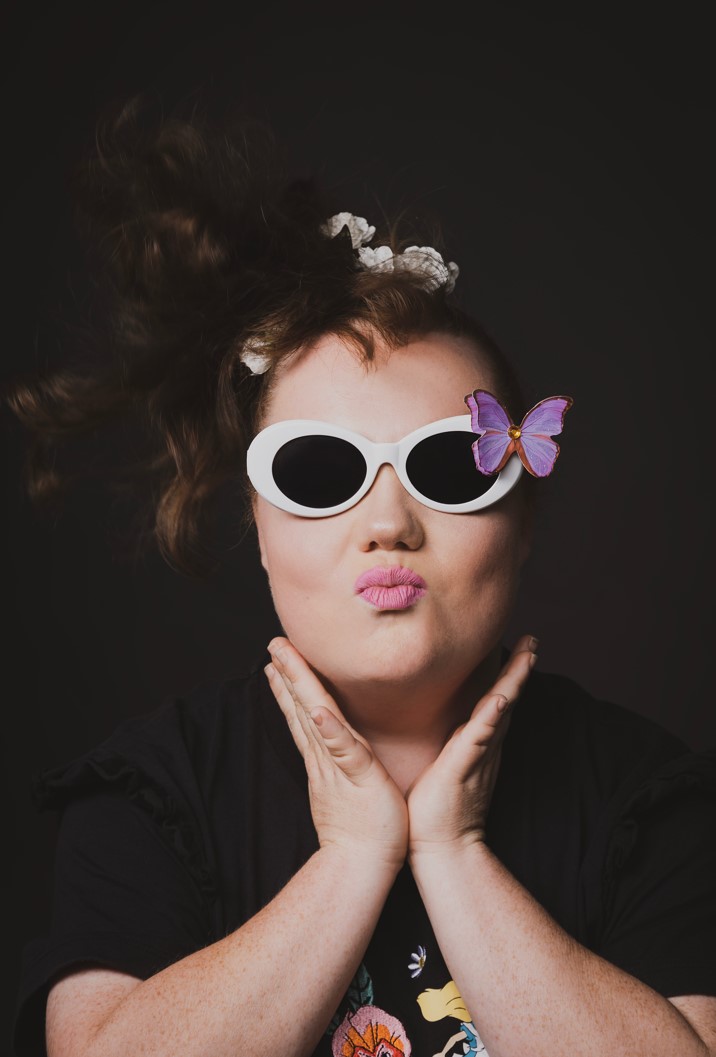
Eight Compass trainees have been photographed by Lauren Biggs Photography to illustrate their innate beauty and authentic expressions, and celebrate their strength and resilience.
Compass Institute CEO David Dangerfield said the community had positively embraced the organisation.
“When I started out in 1991 providing alternative education programs, it wasn’t with a desire to form a large organisation but with a personal decision to lead a life of purpose,” he said.
“Even when Compass was born in 2003, I saw the service also being impactful but localised and small.
“Fast forward 20 years and the original three trainees have been joined by more than 160 others and we have assembled an amazing team of 90 staff along with a wealth of community and corporate support.
“As for what the community can do to help Compass’s continued success, it’s all about collaboration.
“We want to partner with the corporate and broader community to explore more opportunities.
“Our success has been built on nurturing long-term, mutual-benefit partnerships with individuals and organisations.”
The photo series was set to be unveiled at Compass’s 20th birthday celebration at Venue 114 on March 31.
The See the Able, Not the Label exhibition will travel to various Coast locations throughout the remainder of this year.
Visit seeme.org.au for locations and dates. The exhibition is sponsored by Cricks Sunshine Coast.
LEARNING MORE ABOUT AUTISM
Greater awareness is particularly important for families of children with autism, as they often face external judgments about their child’s behaviours from community members or educators who are uninformed.
For people living with ASD, greater awareness and understanding allows each person to feel seen, heard and accepted, and get the support they need in order to thrive – whether at school, in their workplace or within the general community.
Five facts about ASD
- Autism is more common than most people know. It is estimated to affect at least one-in-70 people in Australia. The number is growing in Australia and around the world.
- Each autistic person is different to any other. This is why autism is described as a spectrum.
- Autism is a neurological and developmental disorder, not a disease. It presents in people differently and can affect how a person thinks, feels, learns, interacts with and experiences the world around them.
- Autism is a lifelong condition. Early interventions, however, can often lead to significantly improved outcomes in any person’s life.
- Often because they view or experience the world differently, people with autism can offer unique insights and gifts.
To find out more about diagnosis, therapy and support, visit autismspectrum.org.au.