

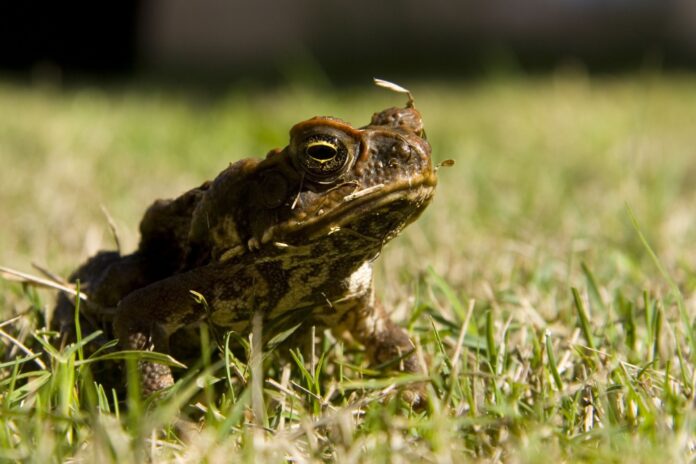
Just 102 cane toads were introduced to Queensland in 1935 but their numbers now exceed an estimated two billion.
Now a national incentive is asking people to get out and humanely collect cane toads to remove them from the environment, giving native species a chance to reclaim their habitat.
The Great Cane Toad Bust, which runs from January 23-29, is run by not-for-profit organisation and registered charity Watergum, which helps communities engage in real, on-ground work to restore, maintain and protect the natural environment.
Last year, volunteers collected more than 50,726 cane toads from South-East Queensland and northern NSW during the week-long Great Cane Toad Bust.
In total, 123,808 cane toads were collected by volunteers during the 2022-23 breeding season. This included contributions from groups in Beerwah, Mooloolah Valley, Doona, Coolum and Noosa.
Emily Vincent from Watergum hoped to get as many people as possible to head out around their properties and local neighbourhoods to collect cane toads and improve their local surroundings.
“This is an event for individuals and groups,” she said.

“Individuals can head out on to their own properties and in their local neighbourhoods with their friends and family to collect cane toads and improve their local surroundings.
“If you are part of a group such as Landcare, Scouts or even your book group you can team up and join Australians across the country to demonstrate what we can achieve when we all work together.”
Toad hunters can then log their catches on the Great Cane Toad Bust website to help create an overview of the impact made by the event.
Ms Vincent said female cane toads can produce up to 70,000 babies a year, but regular toad busting can have a big impact on their numbers.
“There is hope for Australia’s cane toad problem,” she said.
“Lots of native species are learning how to predate cane toads themselves. Many species of birds as well as keelback snakes and Australian water rats have learned how to eat cane toads safely.
“We need to keep numbers down until there are enough native species that know what to do.
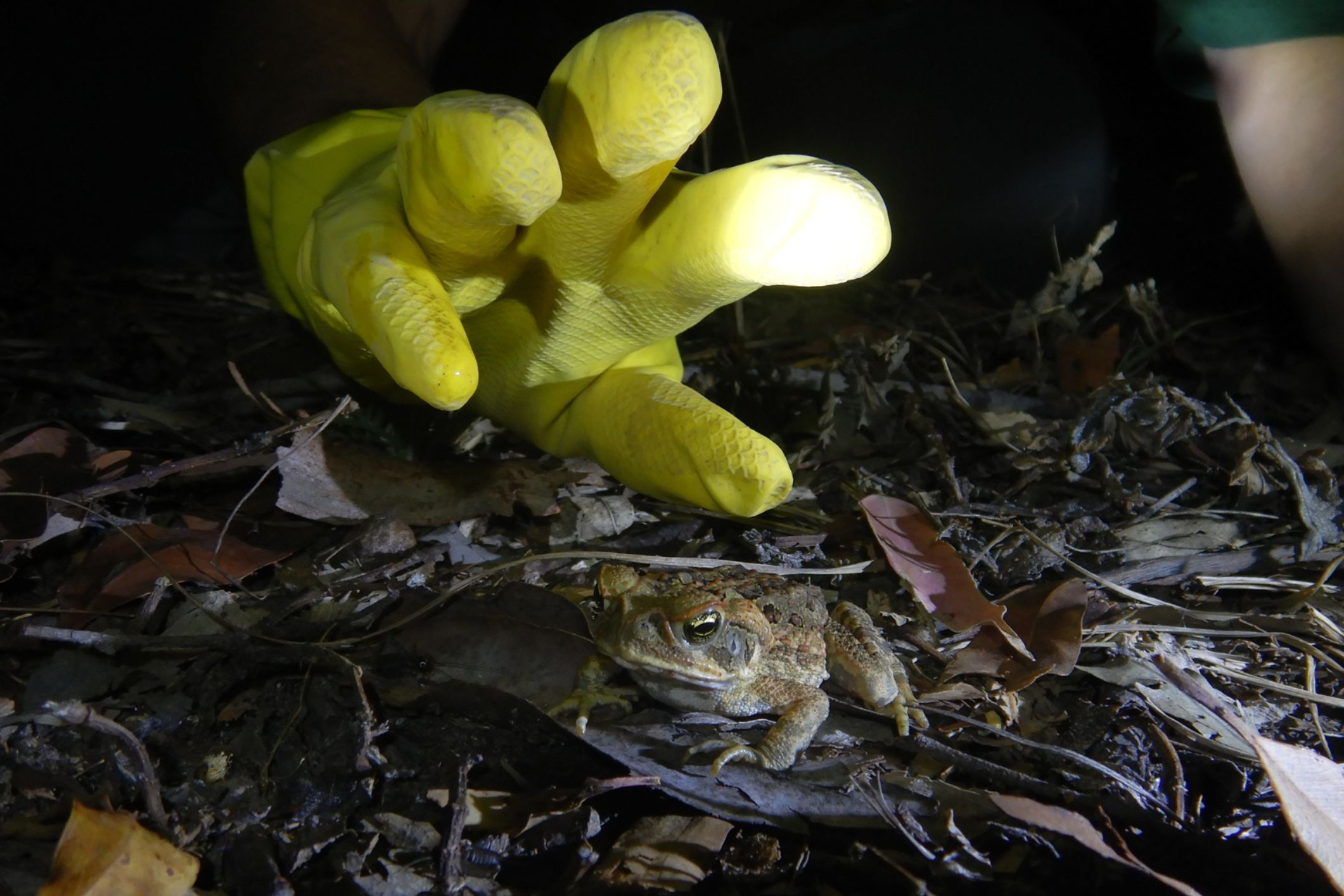
“The Great Cane Toad Bust is a great initiative to get people started as it’s all about mateship and working together as an Australian community. Individuals can then continue with these efforts on their own properties and in their local areas going forward.”
Participants have been asked to euthanise cane toads humanely using the cooling and freezing method. This involves refrigerating toads for up to 24 hours before freezing them. This ensures they suffer no pain when they are frozen.
People were also asked to understand the difference between cane toads and native frogs, and to stay safe as cane toads are toxic and may excrete it when they feel threatened.
Click here for more details on the Great Cane Toad Bust.
Help keep independent and fair Sunshine Coast news coming by subscribing to our free daily news feed. All it requires is your name and email. See SUBSCRIBE at the top of this article.



