
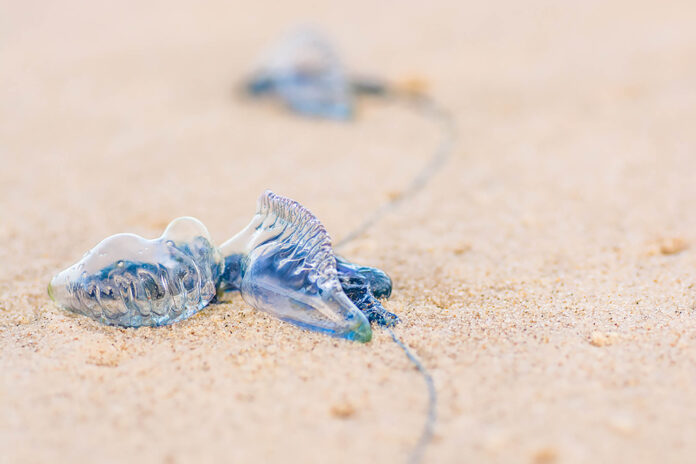
Sunshine Coast beachgoers have relished the absence of some usual summer visitors.
Hundreds of thousands of people have flocked to local beaches during these holidays, with the lack of marine stingers a welcome bonus.
Bluebottles normally swarm to the region from November until May or June.
But there have been hardly any sighted, so far.

University of the Sunshine Coast senior lecturer in bioscience Alexandra Campbell said their absence could be easily explained.
“We tend to get more popping up when we have a few days of northerly or easterly winds, and we get fewer jellies with south-easterly winds,” she said.
There has been just 15 days of northerly winds since the start of November and they have been mainly light and intermittent.
Sunshine Coast chief lifeguard Anthony King was among those to notice the dearth of bluebottles, not just this season but for the past couple of summers.
“Three or four years ago they were everywhere, and they were massive,” he said.
“They had a good sting on them and were nasty.
“But it’s been weird (lately).
“We’ve been lucky during the last few seasons because we haven’t had those strong north-easterlies in the afternoon, so we haven’t seen too many bluebottles.
“Hopefully, we don’t see any (this summer).”
Dr Campbell said some studies indicated that there should be more stingers and jellyfish because of climate change. But she said that would only be noticed over the long term.
“There is a prediction, and many observations supporting it, that more tropical species will be found further south (or poleward) as temperatures increase,” she said.
“The year-to-year variation is not likely to reflect this decadal trend though and will be more strongly influenced by winds.”
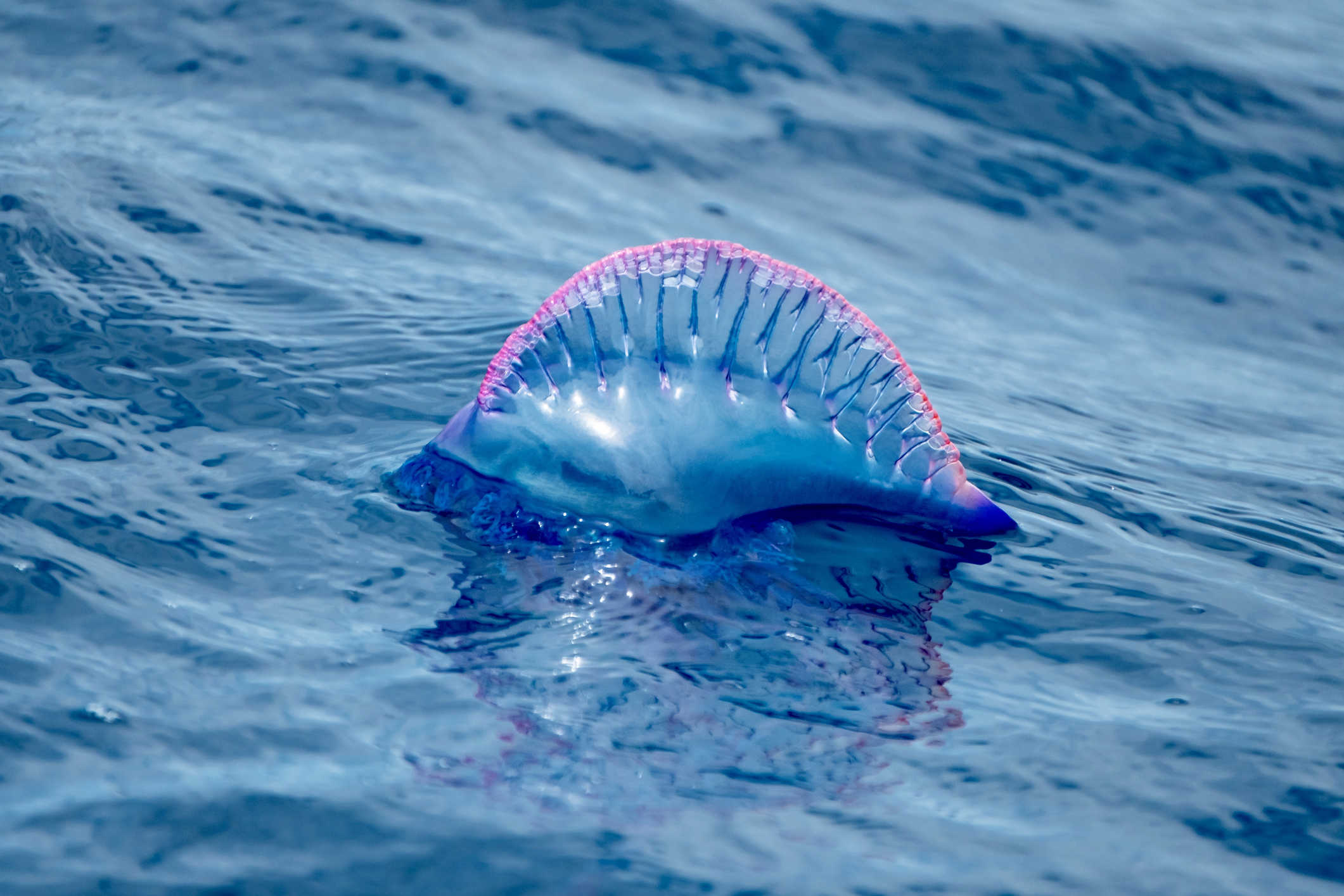
The Queensland Museum states that the bluebottle, also known as the Portuguese man ‘o war, can be found in eastern Australian waters and the Pacific and Atlantic oceans. They can grow to 15cm in length.
They have long tentacles with stinging cells, which can cause local skin pain, followed by localised sweating, muscle camping in limbs, abdominal cramping and respiratory muscle pain when breathing in.
Treatment involves removing tentacles and applying cold packs.