
A surfboard-mounted shark deterrent device has been found to reduce the likelihood of bite by 66%, during testing off Western Australia.
Scientists found the Australian-made Rpela V2 also cut shark interactions such as a nudge by 38%, potentially giving surfers extra time to exit the water.
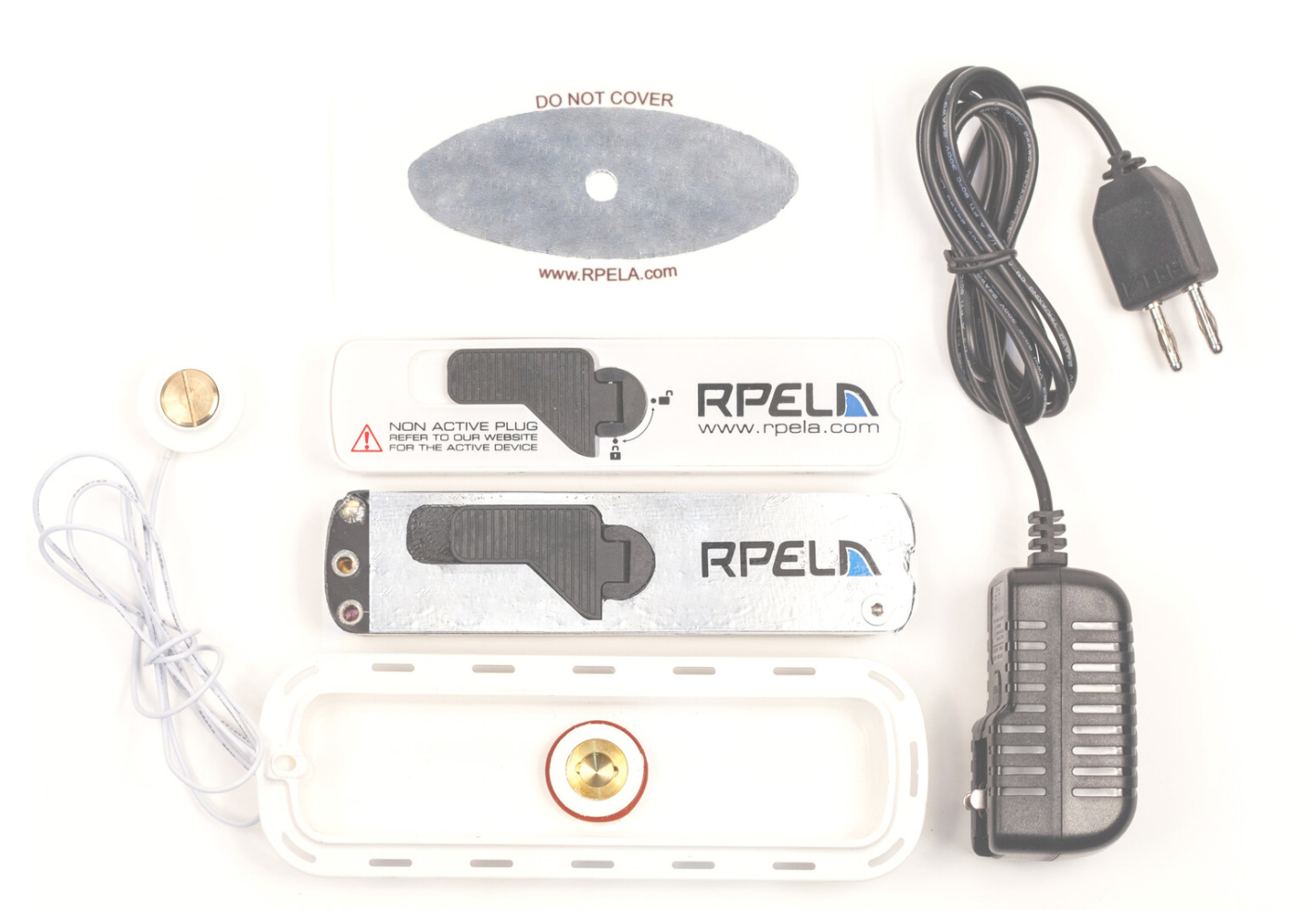
The rechargeable device costs $500 and clips into the surfboard’s bottom deck.
It produces an electric field around the surfer that overwhelms the shark’s electro-reception organs, which they use to navigate and assess their surroundings.
The electric pulses do not harm the creatures and researchers likened it to humans moving away from unpleasantly loud music.
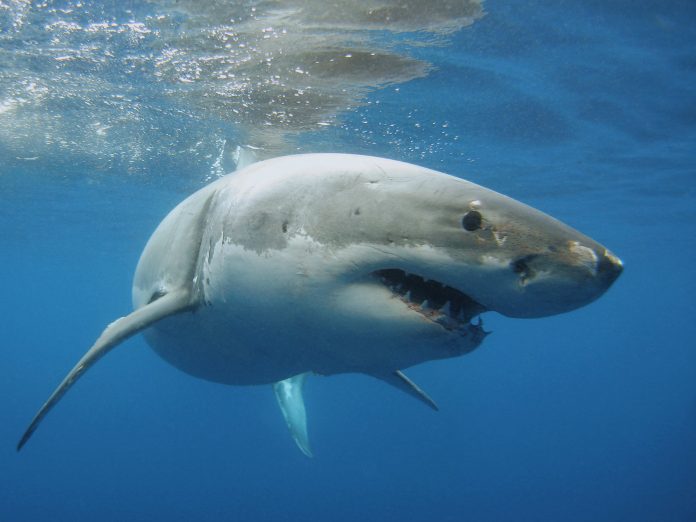
The testing was carried out at Salisbury Island southeast of Esperance, a remote hotspot for white sharks.
The work was a collaborative effort led by global engineering company Cardno and involving Bond University shark expert Dr Daryl McPhee and Ocean Ramsey, famous for free diving with large white sharks, and her extensive shark-related conservation work including movies.
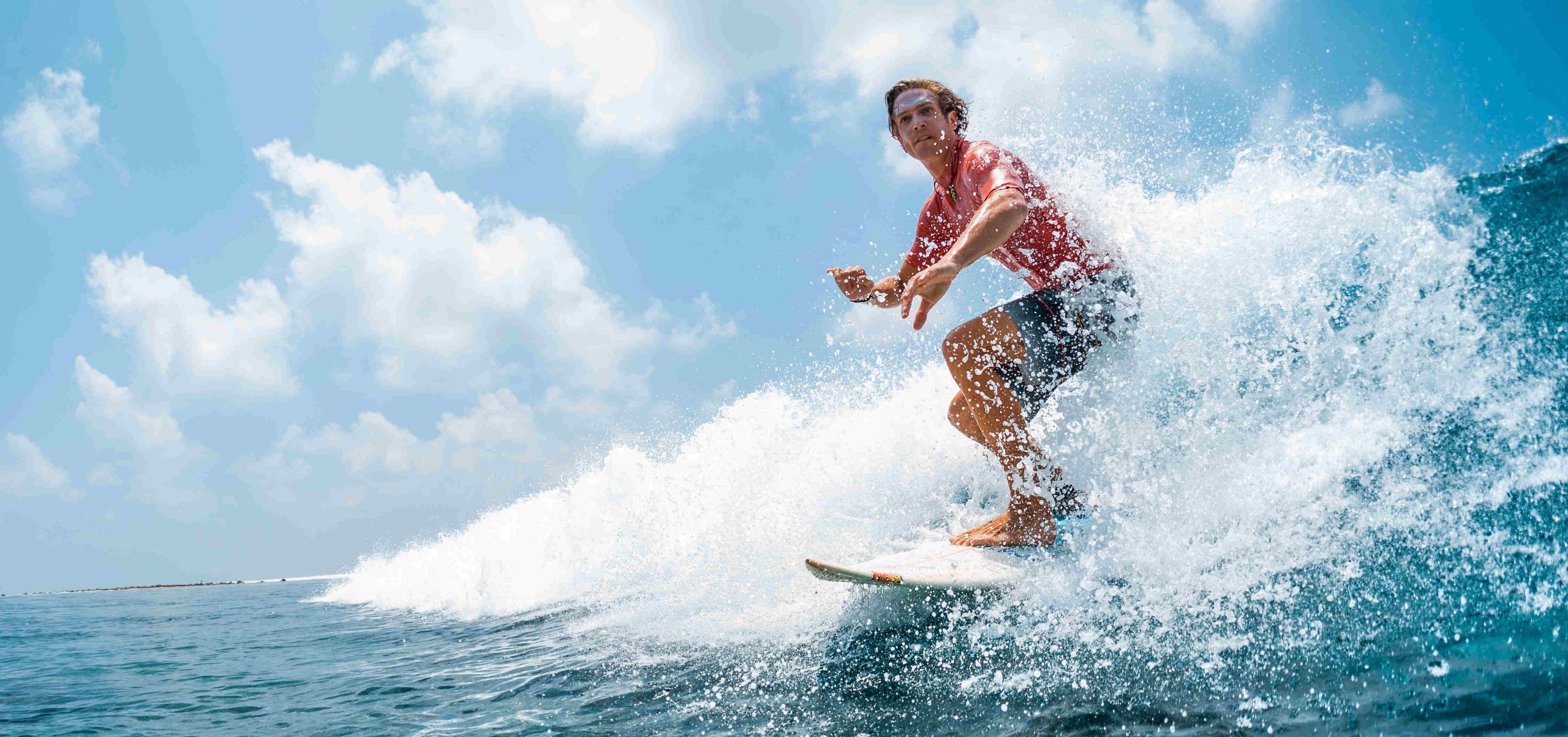
Dr McPhee said surfers were increasingly being bitten by sharks, raising the importance of personal mitigation measures designed specifically for board-riders.
While the risk of a bite remains low, a recent fatal shark attack on a surfer near Coffs Harbour is a sad reminder of what can happen.
Follow us on Facebook: www.facebook.com/scnews2020/
Dr McPhee said it was critical that all shark deterrents were tested so consumers could gauge their effectiveness.
“There are many different individual shark deterrents available but most, including some that are very popular, are not effective or have not been independently tested,” he said.
“This means surfers may put themselves at risk thinking they have an additional layer of protection when they do not.”
Dr McPhee said that electric deterrents were the most effective. There are also magnetic, acoustic and spray devices.
Help keep independent and fair news coming by subscribing to our free daily news feed. All it requires is your name and email. See SUBSCRIBE at the top of this article.
“As well as the Rpela V2 we assessed in this study, electric deterrents developed by Ocean Guardian have been tested several times and have been shown to be effective,” he said.
“No shark deterrent is 100% effective but when independent testing demonstrates a statistically significant reduction in interactions with sharks, consumers can be confident that safety is enhanced.”
The scientists conducting the tests have no financial relationship with the manufacturer of Rpela V2.
The research was published in the Journal of Marine Science and Technology.