

That was no ordinary summer.
The Sunshine Coast received significantly less rainfall than it usually does, despite the presence of the typically wet La Nina phenomenon.
Maroochydore recorded about 282mm, which was only about 54 per cent of the area’s median rainfall of 520mm from December to February.
Tewantin had 205mm, which was just 38 per cent of its median of 526mm, and Nambour collected 260mm, which was only 39 per cent of its median of 602mm.
Steve Hadley, a meteorologist from the Bureau of Meteorology, said it was unusual.
“It is slightly against the (traditional) statistics that show you should get a wetter summer in a lot of places with La Nina, but we just didn’t this year,” he said.
“There was just a lack of rainfall driving systems. We just didn’t have the weather systems in the right place to cause rainfall on the Sunshine Coast.”
Mr Hadley said heavy rain fell over much of Queensland, but it was erratic and patchy in the south-east.
“Most of the north of the state had well-above-average rainfall this season,” he said.
“Every La Nina is different and while it generally means we get above-average rainfall (in Queensland) it doesn’t mean that everyone will get above-average rainfall.
“It was a trend this summer, that we missed out on the large rainfall events in the south-east, while they went to north Queensland instead. We just haven’t had the right dynamics in the weather systems to produce a lot of rainfall around the south-east.”
The Bureau of Meteorology was expected to release its full climate report for summer today.
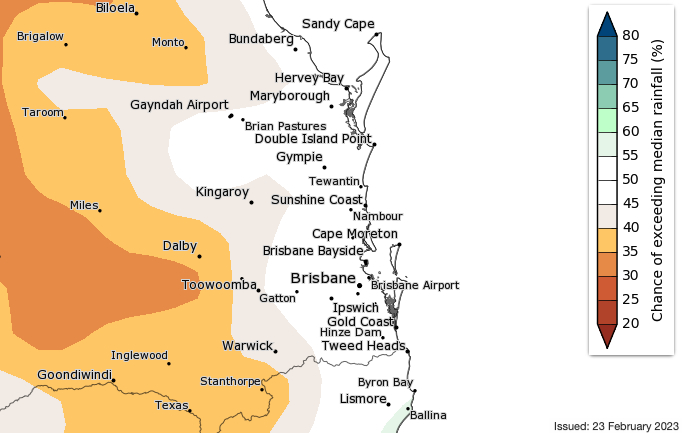
Ordinary autumn weather is expected for the next few months.
The BOM’s climate outlook predicted the Sunshine Coast would receive about the usual rainfall for March to May. For Maroochydore, that’s about 496mm.
But Mr Hadley said there could be less.
“The latest outlook shows we may not see wetter or drier weather than usual in South-East Queensland and the odds favour drier weather across the state,” he said.
“We usually get some rainfall during autumn … we can even get tropical weather systems in March, with a run of thunderstorms.
“But it (rain) usually starts to tail off rapidly by May and we then tend to only get sporadic showers, but there’s no real forecast of how many of those we will get.”
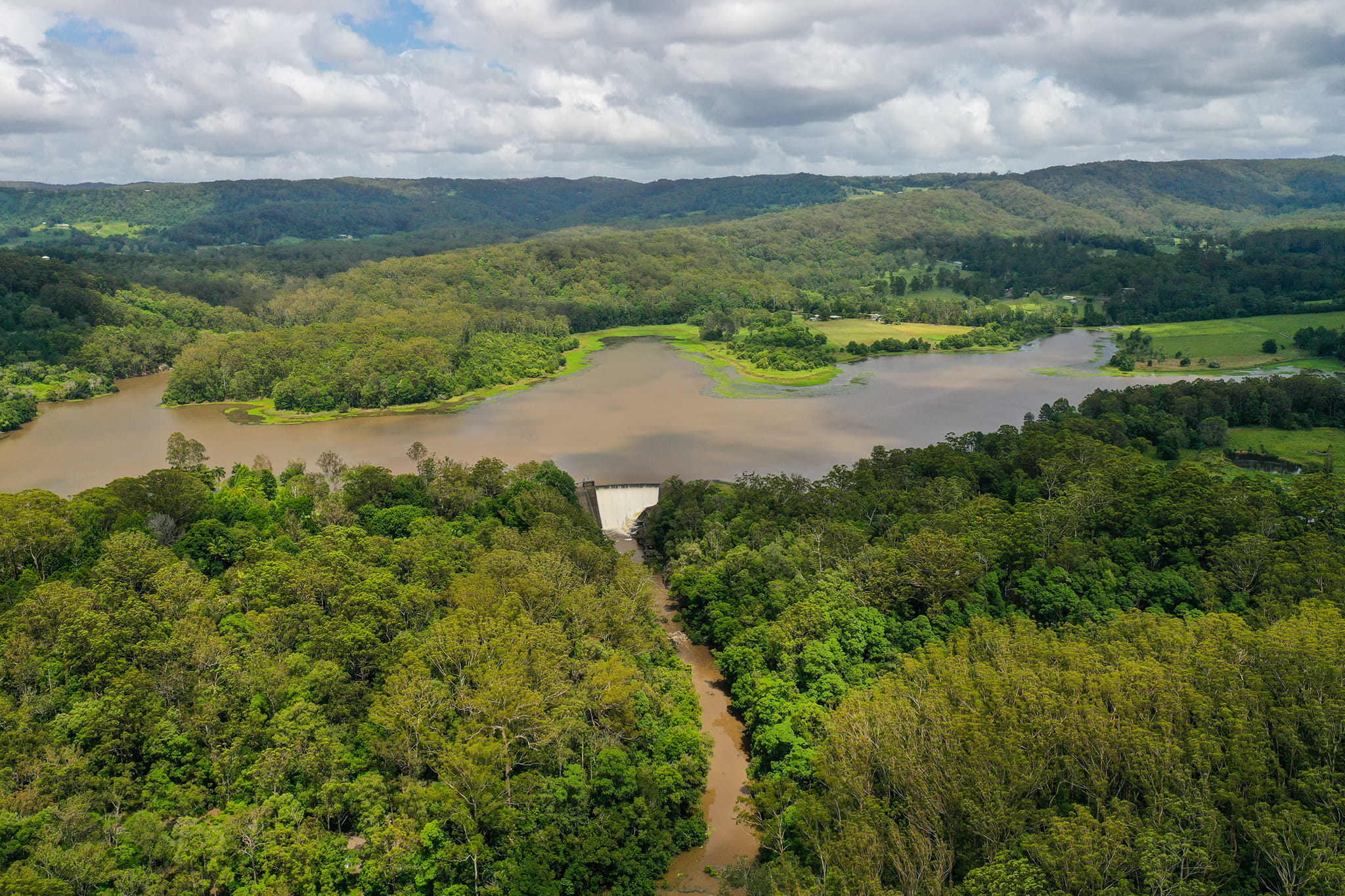
Despite the reduced rainfall in summer, Sunshine Coast water supply levels were still high.
Cooloolabin was 87 per cent full with 7117 mega litres, Poona was 84.1 per cent full with 551ML, Wappa was 100.1 per cent full with 4699ML, Baroon Pocket was 88 per cent full with 53,699ML, North Pine was 61.7 per cent full with 132,199ML, Ewen Maddock was 88.3 per cent full with 14,561ML, Lake Macdonald was 87.8 per cent full with 7036ML and Borumba was 99.2 per cent full with 45,624ML.
Like stories that inform, connect and celebrate the Sunshine Coast? So do we. Join an independent local news revolution by subscribing to our free daily news feed: Go to SUBSCRIBE at top of this article to register.



