

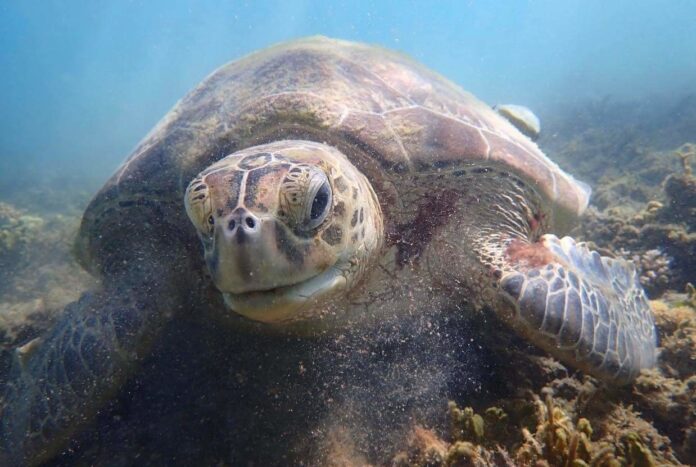
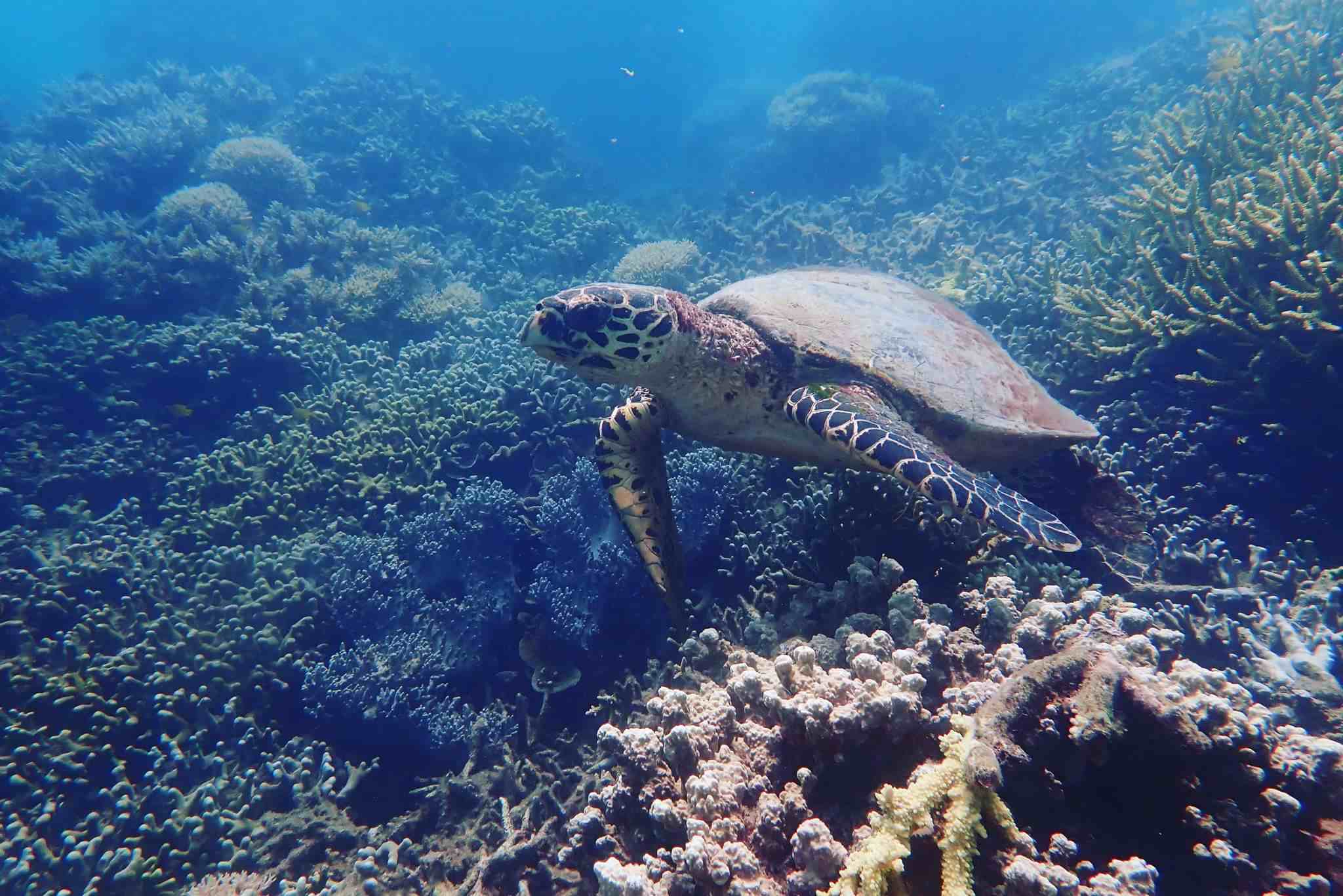
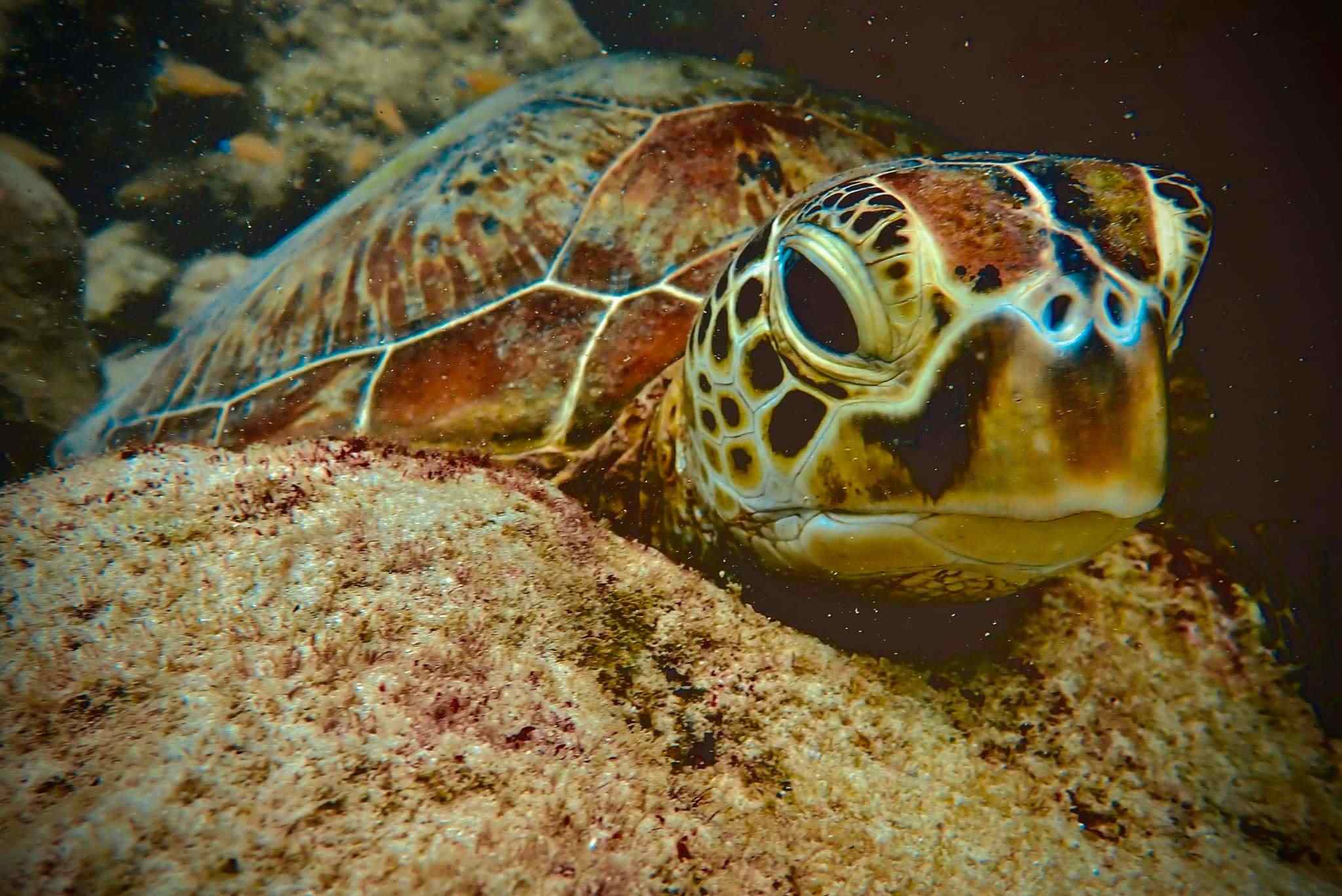
Wildlife rescue and rehabilitation groups are being inundated by stranded, sick and injured turtles.
The University of the Sunshine Coast, volunteer group Turtles in Trouble, aquarium SEA LIFE Sunshine Coast and Australia Zoo are just some of the groups trying to keep up with the growing number of stricken turtles.
Senior Lecturer in Animal Ecology at UniSC Kathy Townsend highlighted the plight of the ancient marine creatures via The Conversation.
“They’re starving,” she said in the article.
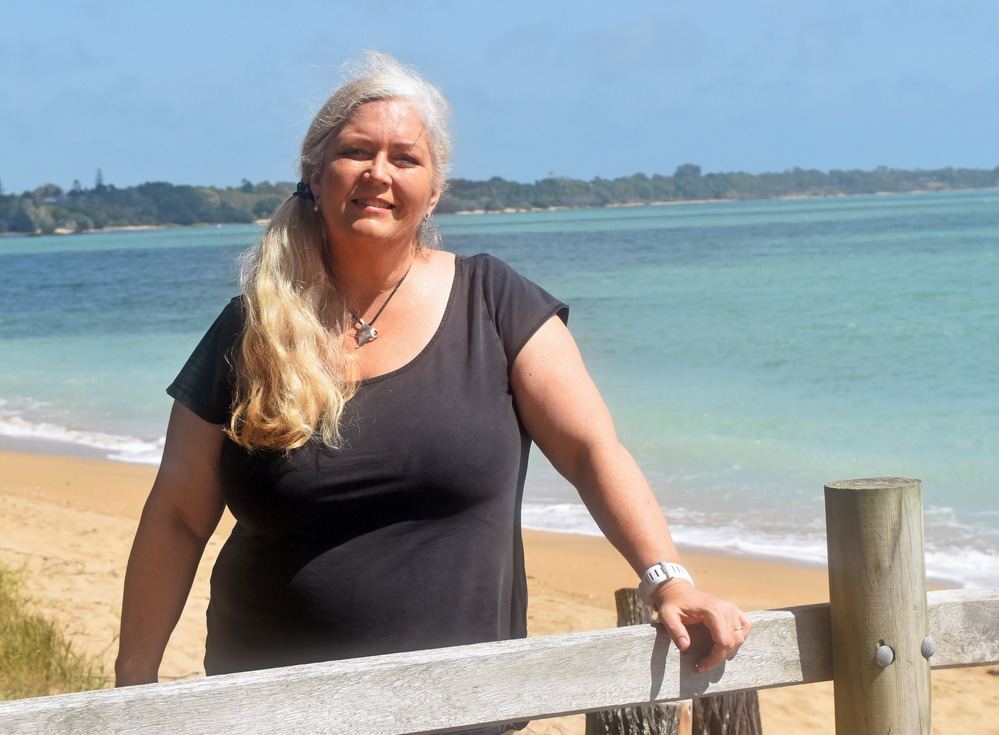
“Huge rains and floods have washed large quantities of sediment out to sea, where it smothers the seagrass these marine creatures rely on.
“There’s no relief in sight, as we enter our third wet year of La Nina.
“Most of the sick sea turtles we found – as well as those found by Queensland’s Department of Environment and Science team – showed signs of starvation and illness, including the newly identified soft shell disease.”
Floodwaters have also reduced the water quality and flushed pollutants into marine habitats.
Dozens of afflicted turtles have been found in the Hervey Bay region while some have also been found further afield, including at Noosa and the Sunshine Coast.
Many of the turtles have been taken to Australia Zoo for care, and to SEA LIFE Sunshine Coast for rehabilitation and – for the lucky ones – release.
A SEA LIFE Sunshine Coast spokesperson told Sunshine Coast News they were working hard to help.
“A lot of centres are currently being inundated with stranded, sick and injured turtles,” she said.
“Due to the floods early in the year and a new disease (soft shell syndrome) currently being investigated, all centres are working closely together to provide the best care during this uncertain time.”
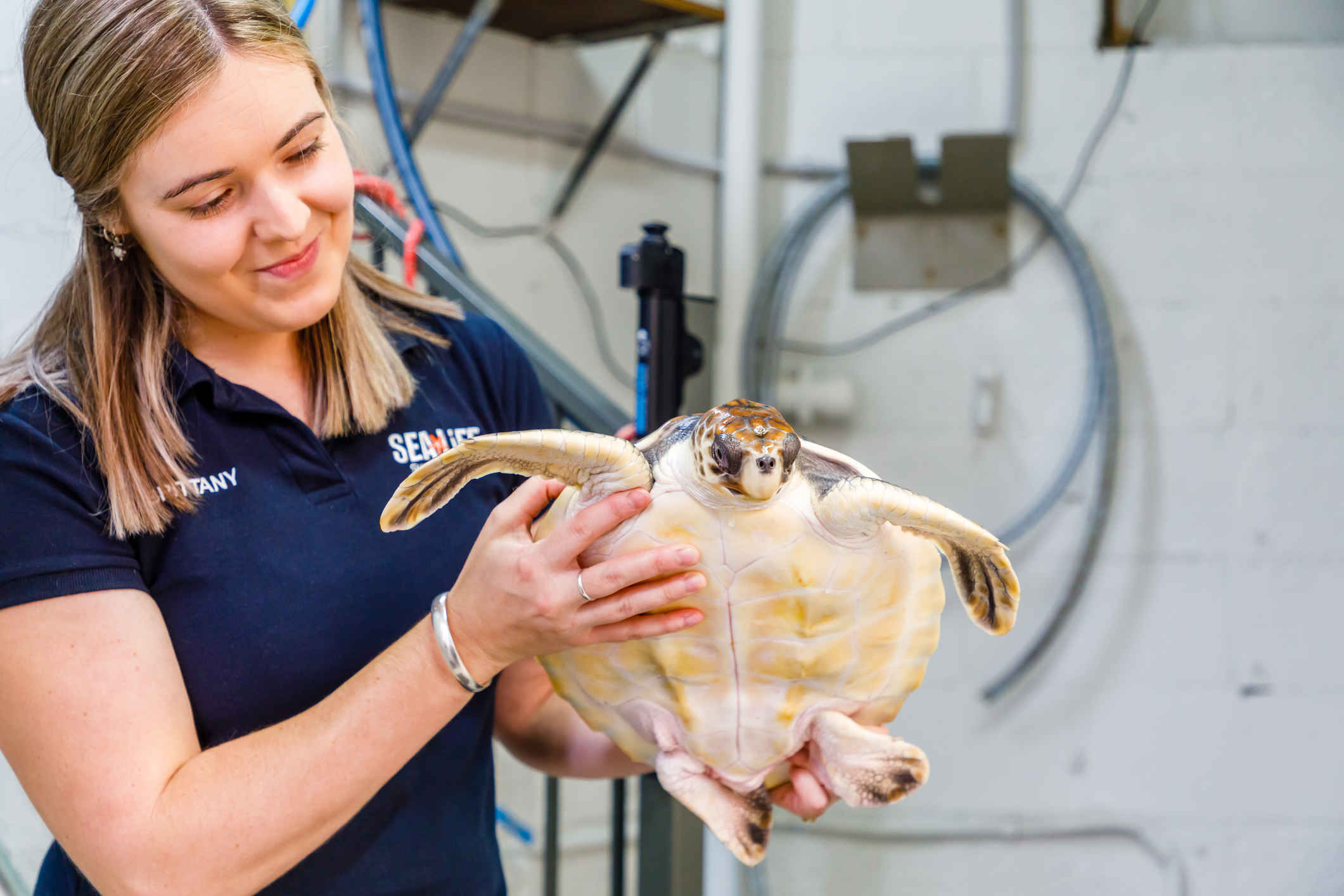
SEA LIFE Sunshine Coast had 65 turtles come through the facility from January to September, already surpassing last year’s total.
The turtles undergo a thorough process at the aquarium.
“When a turtle arrives at the SEA LIFE Sunshine Coast’s turtle rehabilitation centre, the team fills in a marine stranding form (date, species, weight/size, location of stranding, injuries etc),” the spokesperson said.
“The turtle is carefully assessed for any injuries or parasites, so the team can provide the best care.
“The turtle is then placed in a freshwater bath for 48 hours which helps hydrate and aids in the removal of any epibiota (any organism living on the turtle).
“After the 48 hours, the turtle is placed back on saltwater, where they undergo (on average) months of treatment and TLC prior to veterinary approval for release.”
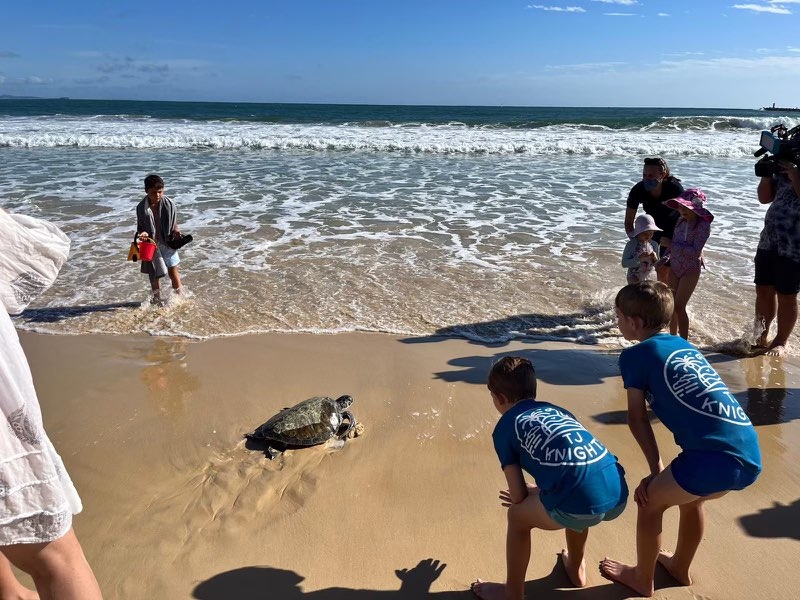
Local residents and community groups are at the frontline, reporting and rescuing turtles.
Hervey Bay-based Turtles in Trouble has ballooned from five trained members to 50 trained members in the space of nine months.
Group vice president Holly West said a big effort was required, when turtles are found
“It takes a team – an army of people to respond to turtles,” she said.
“Some of the turtles weigh more than 100kg, so you need at least six people to bring an animal like that in.
“And sometimes we’re trekking a couple of kilometres across mudflats with these animals, so it’s all hands on deck.
“We’ve had to reach out and get new members and we’ve been holding workshops to train them, so we can respond to so many calls.”
Ms West said more turtles than ever required treatment.
“We used to average about 10 to 20 a year here, but this year we’ve had more than 90 that have needed to go into rehab,” she said.
They transported 12 turtles to the Sunshine Coast for recovery three years ago but have relocated 91 turtles to the region during an eight-month period this year.
“We send them to Australia Zoo and they will triage them and work with SEA LIFE. The groups have dealt with it magnificently. We’ve all worked together.”
It’s hoped a rehabilitation facility can be built in Hervey Bay, instead of transporting the turtles to the Sunshine Coast each time.
“They (Australia Zoo and SEA LIFE Sunshine Coast) are overwhelmed, so a new rehab centre would be good, to take the burden off everyone else,” Ms West said.
“There’s a real push to get something in this area, to relieve the stress and burden. The hope is that we can also do more research at the rehab centre, hopefully with UniSC running it.”
Dugongs have also battled to survive in the bay, while an emaciated dugong was found still alive up the Noosa River.
“It’s not just turtles struggling at the moment,” Ms Townsend said.
“Successive lean years caused by back-to-back La Niña events will hit both the survival rate and reproductive ability of these animals.
“Sea turtles in poor condition will not be able to migrate successfully, which means they’re heading for a poor nesting season. Dugongs, too, will struggle.”
Members of the public are encouraged to phone the marine stranding hotline number on 1300 130 EPA if they come across a sick or injured marine animal in need of assistance.
Parts of this article have been republished from The Conversation under a Creative Commons licence. Read the original article.
SUBSCRIBE here now for our FREE news feed, direct to your inbox daily!



