
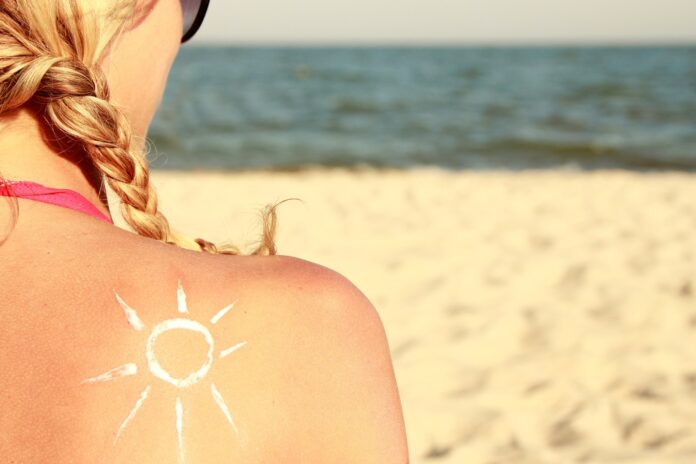
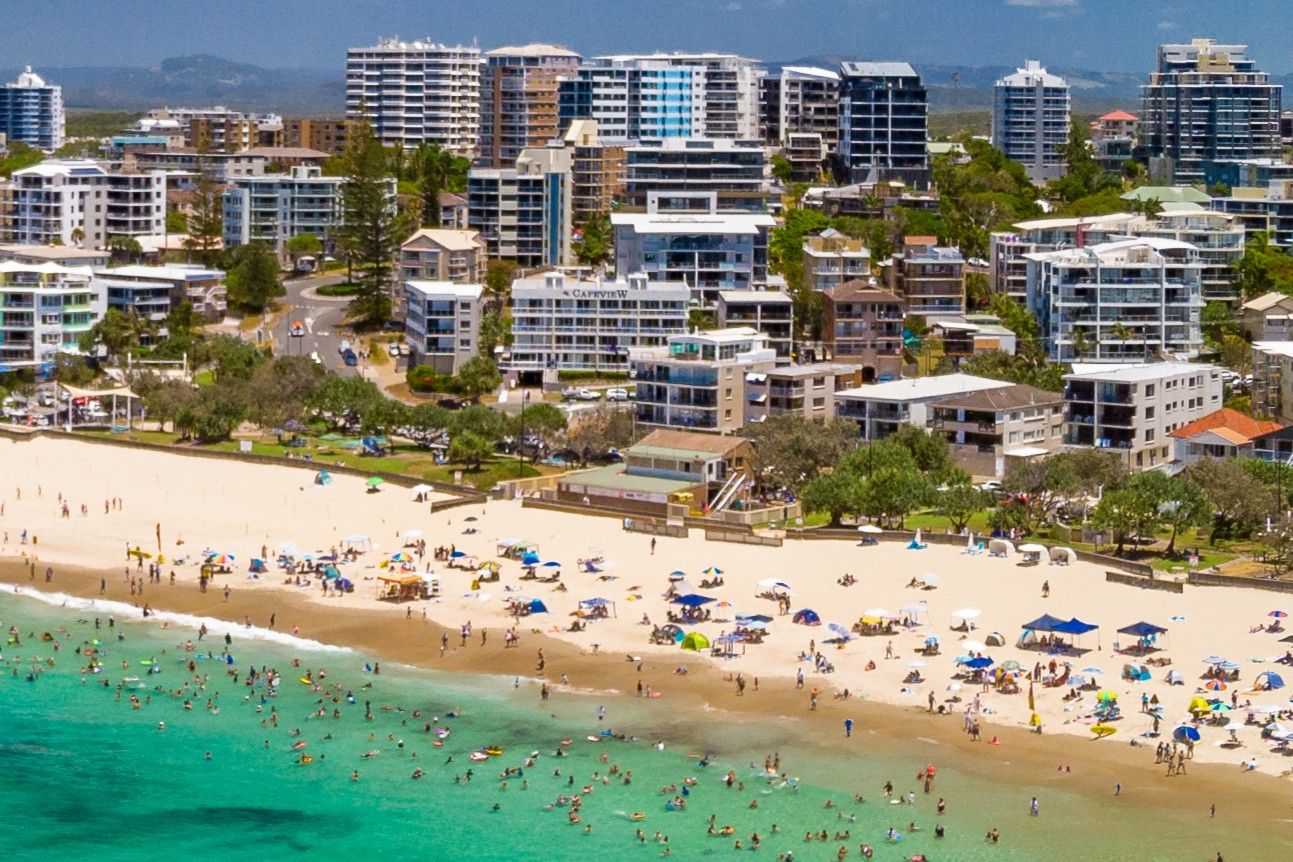
Hundreds of Sunshine Coast residents have been diagnosed with melanoma in a single year, with Cancer Council Queensland identifying the region as one of the most affected by the disease.
The latest Queensland Cancer Register data analysed by CCQ shows about 585 melanoma cases were recorded in the area in 2024: more than one a day.
The figures were highlighted during National Skin Cancer Action Week, from November 15 to 22, with Cancer Council encouraging Australians to practise sun-safe habits and pass them on to future generations.
Cancer Council Queensland stated that Australia recorded the world’s highest rates of melanoma, Queensland the highest rates nationally and the Sunshine Coast second only to the Gold Coast in Queensland.
The organisation said the picture was drawn from long-term cancer registries and health studies, including the Australian Cancer Atlas, which maps melanoma and other cancer rates across the country.
Cancer Council Queensland stated that 95 per cent of skin cancers were caused by exposure to ultraviolet radiation, making them among the most preventable cancers.
This year’s National Skin Cancer Action Week theme is Sun safe habits last a lifetime, while the campaign also marks 45 years of Slip! Slop! Slap! and Sid Seagull.
Cancer Council Australia stated that two in three Australians are diagnosed with a form of skin cancer in their lifetime, despite melanoma rates declining among men and women aged under 40.
Cancer Council Australia CEO Jacinta Reddan said the latest campaign was aimed at turning awareness into lifelong habits.
“For 45 years, Sid Seagull has helped Australians remember how to protect themselves from the sun. While we’ve made progress, the job’s not done,” she said.
Do you have an opinion to share? Submit a Letter to the Editor at Sunshine Coast News via news@sunshinecoastnews.com.au. You must include your name and suburb.
The organisation said research had found 50 per cent of lifetime ultraviolet exposure occurred before the age of 20, while children were 12 times more likely to use sunscreen and three times more likely to wear a hat when they saw their parents do so.
“We’re encouraging Australians to carry sun-safe habits forward and pass them on to a new generation,” Ms Reddan said.
Cancer Council Australia has also introduced Little Sid Seagull to help take the sun safety message to younger Australians.
Australasian College of Dermatologists president Doctor Adrian Lim said the enduring recognition of the Slip! Slop! Slap! campaign showed the value of simple health messages.
“These, now further evolved to five sun protection steps, including Seek and Slide, continue to be the best defence against Australia’s most common cancer,” he said.
Cancer Council is encouraging people to check the UV Index and use all five forms of protection whenever the UV level reaches three or above: protective clothing, SPF50 or SPF50+ sunscreen, a broad-brimmed hat, shade and sunglasses.