
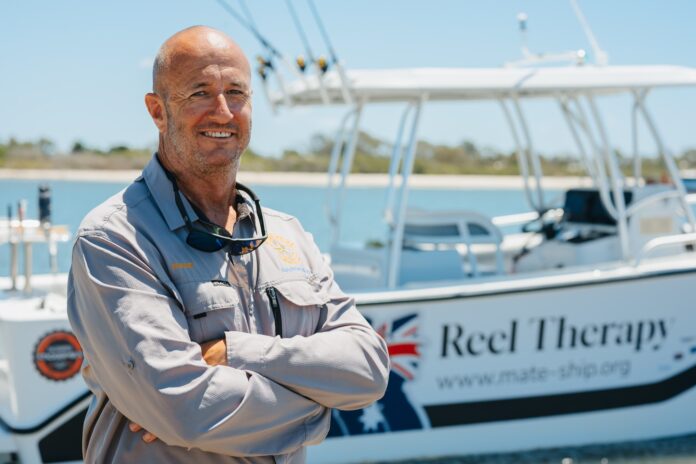
A former soldier’s specialised boating initiative is helping current and former defence force and emergency services personnel improve their wellbeing and reconnect with others.
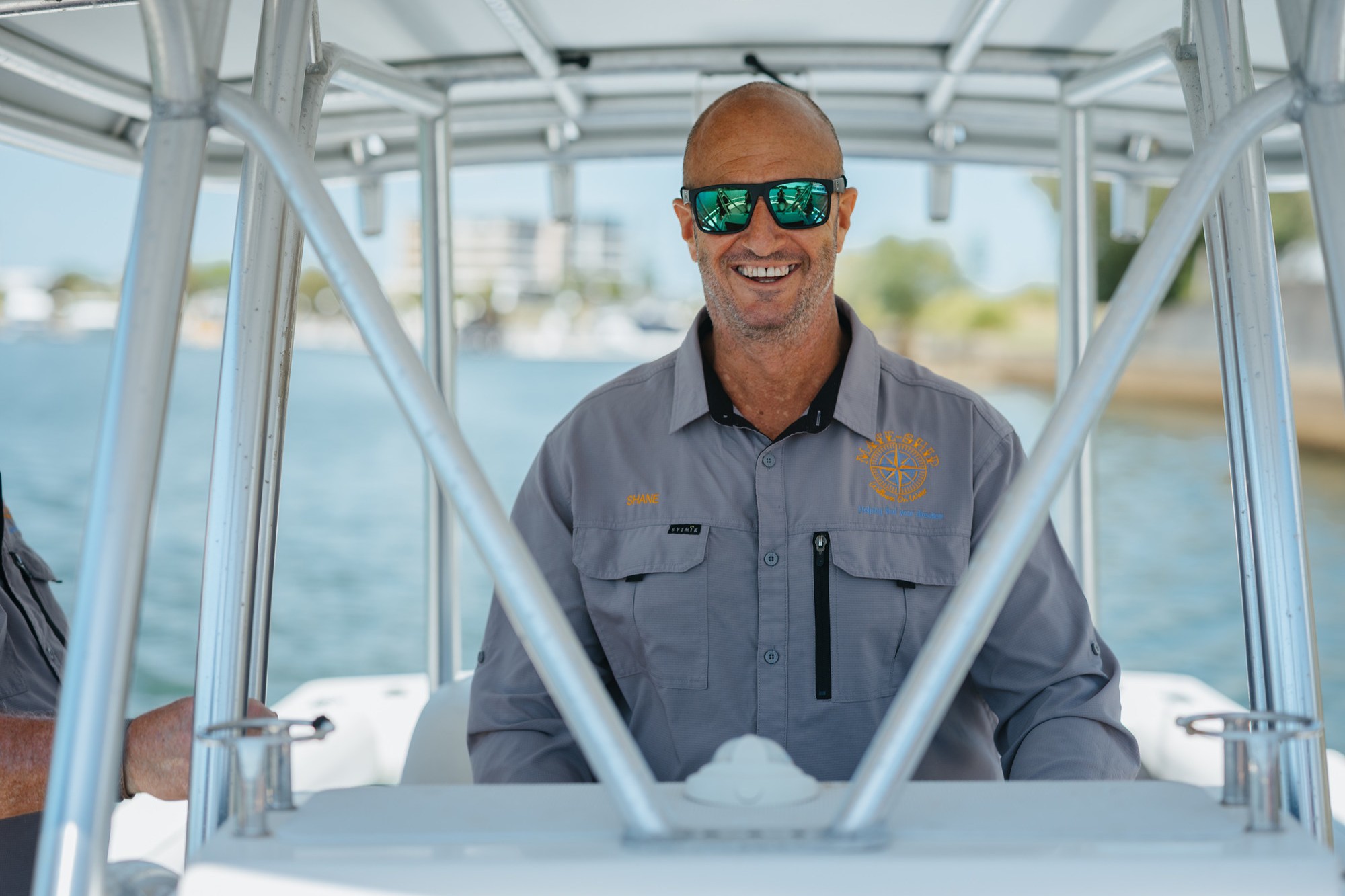
Sunshine Coast veteran Shane Dimech founded Mate-Ship after his own struggles following 11 years in the Australian Army, with the charity offering water-based and other shared experiences across the region.
Mr Dimech said it was “about connection, purpose, mateship and giving people a safe environment where they can simply be themselves”.
“We started with our Wellness on Water experiences, getting people out on boats, away from the everyday pressures of life and giving them an opportunity to connect with others who understand some of the challenges they’ve faced.
“We’ve since expanded into offshore fishing, sailing, equine-assisted experiences, practical workshops and wellness retreats.
“We’re not a clinical mental health service, and we’re certainly not trying to replace professional treatment. We’re about providing opportunities for connection, building confidence, reducing isolation and helping people rediscover some enjoyment and purpose in life.”
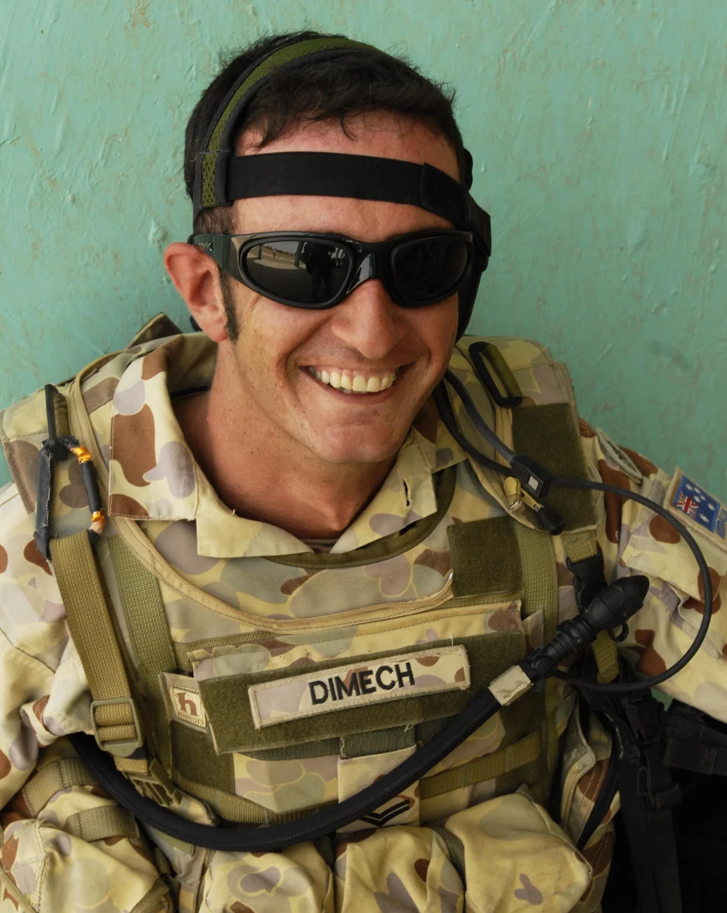
Mr Dimech served in artillery, administration and as an Army marine specialist. His service included a deployment to Iraq in 2006 and time working in the maritime counterterrorism environment with 2 Commando Regiment.
He discharged from the Army in 2011 and later worked in the marine industry.
“Like many veterans, I struggled considerably with my mental health after leaving Defence,” he said.
“I went through some very dark periods, including multiple hospital admissions, and spent years trying to find my way forward.
“The original concept (for Mate-Ship) came to me in 2017, during a three-month admission to a mental health facility: my first of approximately 20 admissions.”
Mr Dimech said the water had long provided him with a sense of calm.
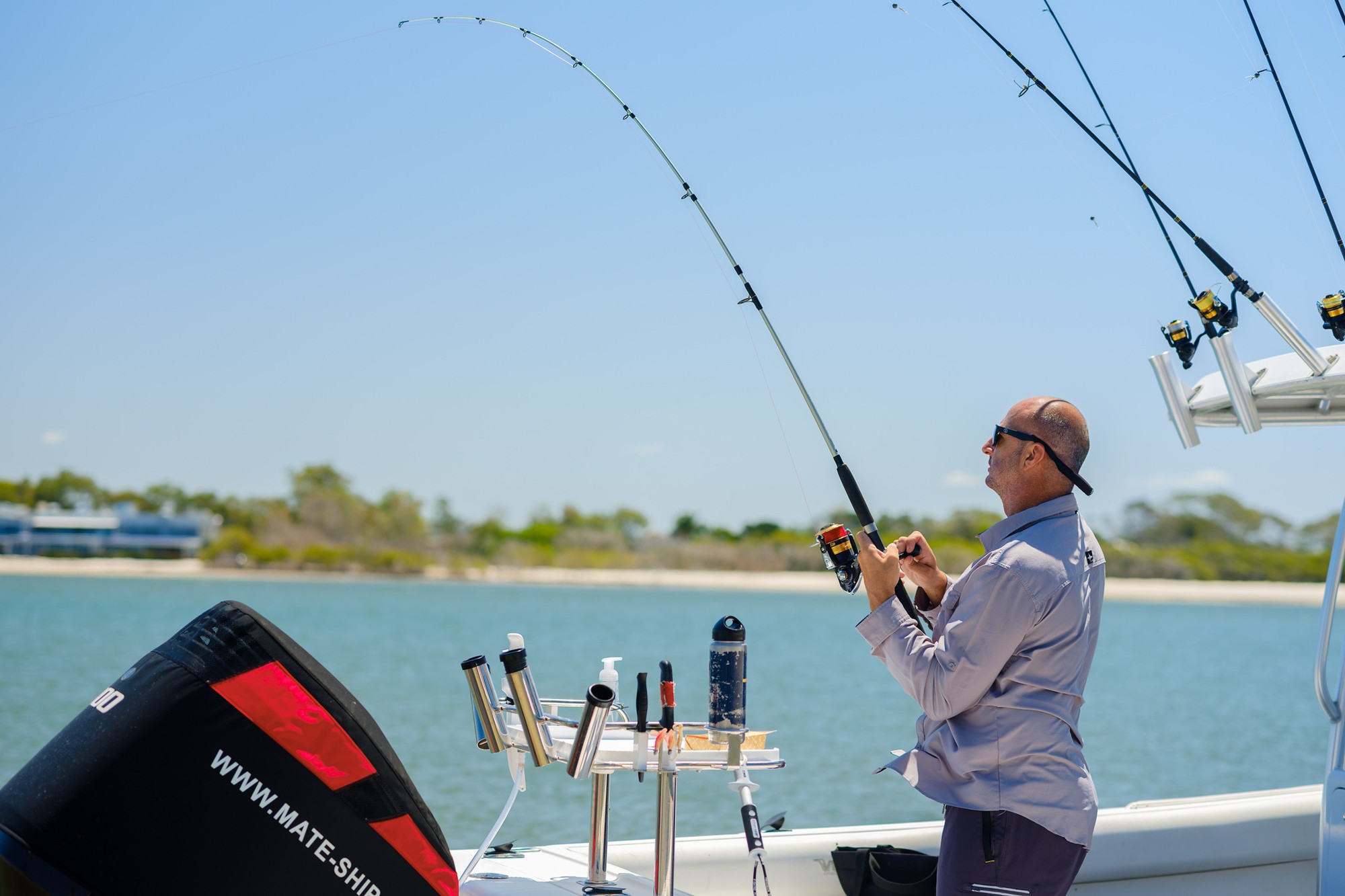
“I wanted to create something where people didn’t need to sit in a room and talk about their problems. They could come fishing, go for a cruise, have a laugh, enjoy a meal or simply sit quietly and take in their surroundings.
“Sometimes the best conversations happen when you’re not trying to have them.”
Our Mate-Ship Limited was established in 2024 and registered as a charity, governed by a volunteer board of directors.
The charity’s boating activities operate around Mooloolaba, Kawana, Pelican Waters, the Pumicestone Passage and surrounding waterways.
Its programs are available to current and former defence force and emergency services personnel and their families and carers.
Help us deliver more news by registering for our FREE daily news feed. All it requires is your email at the bottom of this article.
A typical Wellness on Water experience can include cruising, fishing, swimming, lunch or simply relaxing with others.
“There’s no expectation that anyone has to talk about their experiences, their service or their mental health,” Mr Dimech said. “People can participate as much or as little as they like.”
He said the programs were intended to provide a supportive environment.
“For many veterans and emergency services personnel, leaving their careers can also mean losing a significant part of their identity, purpose and social connections,” he said.
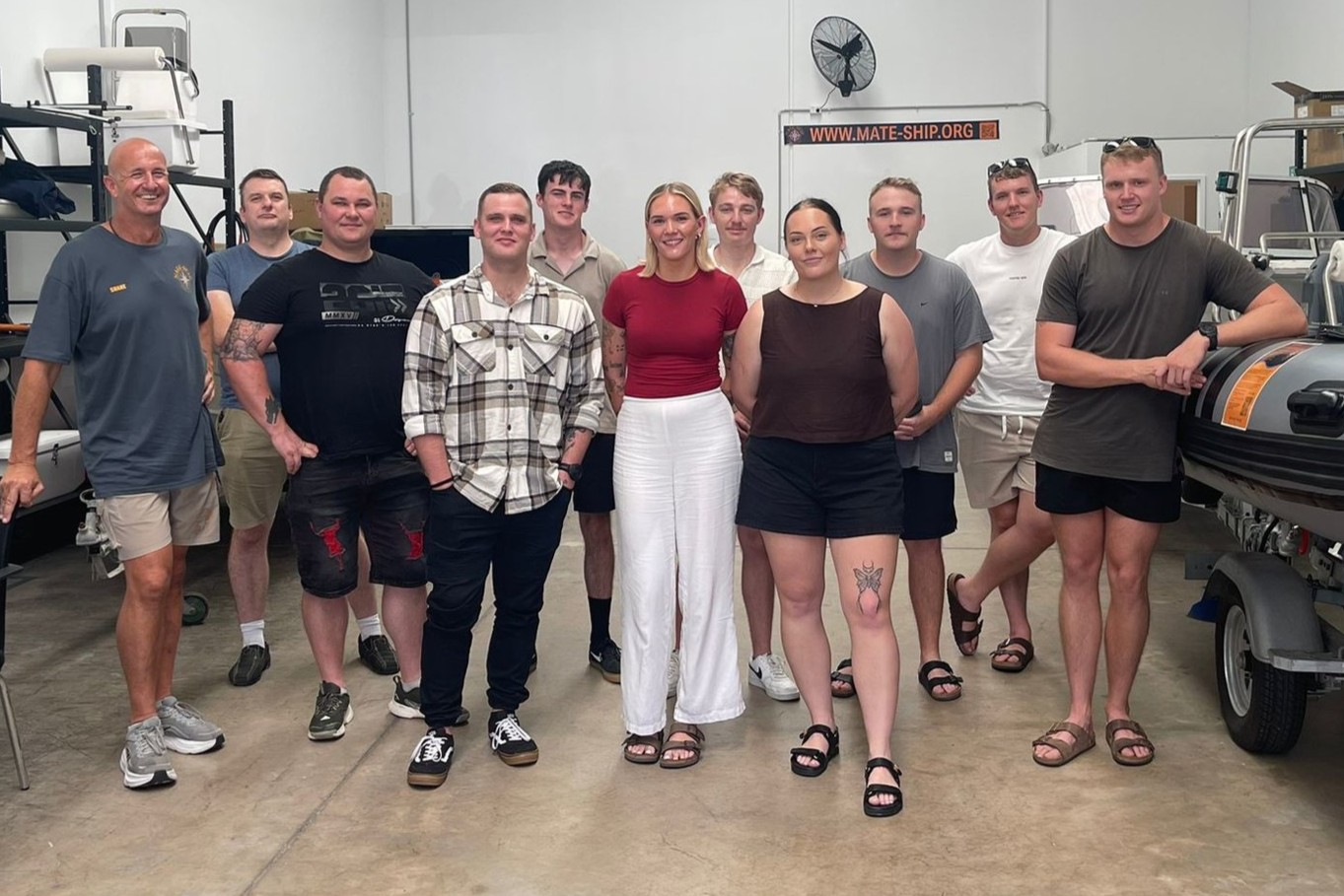
“What we try to create is an environment where those connections can begin to rebuild naturally.
“It’s not about forcing people to open up. It’s about creating the conditions where they feel comfortable enough to do so if they choose.”
Mr Dimech said participants had returned regularly, developed friendships and started volunteering.
“The biggest achievement isn’t necessarily how many people we get onto a boat. It’s seeing someone who was struggling start smiling again, build a friendship, or find a reason to look forward to next week,” he said.
Interest in Mate-Ship has grown, with more than 150 events and more than 500 people participating during the past year.
Most boating days accommodate about five to eight people.
But Mr Dimech said funding and operating costs remained challenges.
A typical Wellness on Water day costs about $500 to deliver, with participants attending free of charge, while an offshore fishing charter costs about $2300 and is heavily subsidised.
Mate-Ship has received support through grants, corporate partnerships, donations, fundraising and in-kind contributions but ongoing costs include marina fees, insurance, registration, fuel, maintenance and administration.
The charity has also restructured its operations, including selling two boats and closing its Mate-Shed workshop at Warana.
“The reality is that we’ve had to make some difficult decisions this year, including selling vessels and closing the Mate-Shed, so that we can continue delivering our core wellbeing programs,” Mr Dimech said.
Its next major goal is to make boating experiences more accessible for people with physical disabilities.
Mate-Ship is pursuing grant funding for a purpose-designed wheelchair-accessible wellness vessel with accessible boarding, seating, an accessible toilet and the ability to operate across local waterways.
The project is valued at about $340,000, with $250,000 being sought through grant funding and the remainder to be contributed by the charity.
“One of the things that has frustrated me since starting Mate-Ship is having to tell someone they can’t come along because our vessels aren’t suitable for their mobility requirements,” Mr Dimech said.
“For a charity built around inclusion and connection, that’s a difficult conversation to have.”
Mr Dimech said Mate-Ship had also become part of his own recovery.
“I knew how difficult it could be to find your direction again after military service and mental health challenges, and I wanted to create something I wished had existed when I needed it,” he said.
“Sometimes it’s about finding your people, reconnecting with the things you enjoy, and having somewhere you feel you belong. That’s what Mate-Ship is trying to provide.”
He said the accessible vessel project was about extending that opportunity to more people.
“It’s not simply about buying another boat. It’s about making sure a veteran who uses a wheelchair, an injured emergency services worker, or someone living with significant mobility challenges has the same opportunity to get out on the water, enjoy the company of others and feel part of something.”