
A Sunshine Coast university is helping put Australia’s bee industry on the map, with research uncovering the potential of ‘bee glue’ to create new products across food, health, medical and cosmetic industries.
The University of the Sunshine Coast-led industry collaboration has received a $3 million Australian Government grant to develop new propolis-based products and help establish an Australian propolis industry.
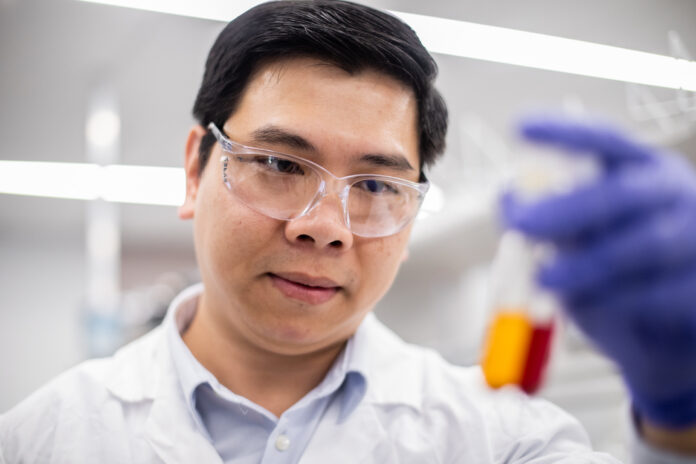
UniSC organic chemistry academic Dr Trong Tran is leading the $750,000 chemistry component of the three-year project examining propolis, also known as bee glue, which is a natural compound made by bees to seal their hives.
The project, called From Hive to Health: Pioneering Australia’s Propolis Industry, is led by Western Australian company Red Earth Pollen.
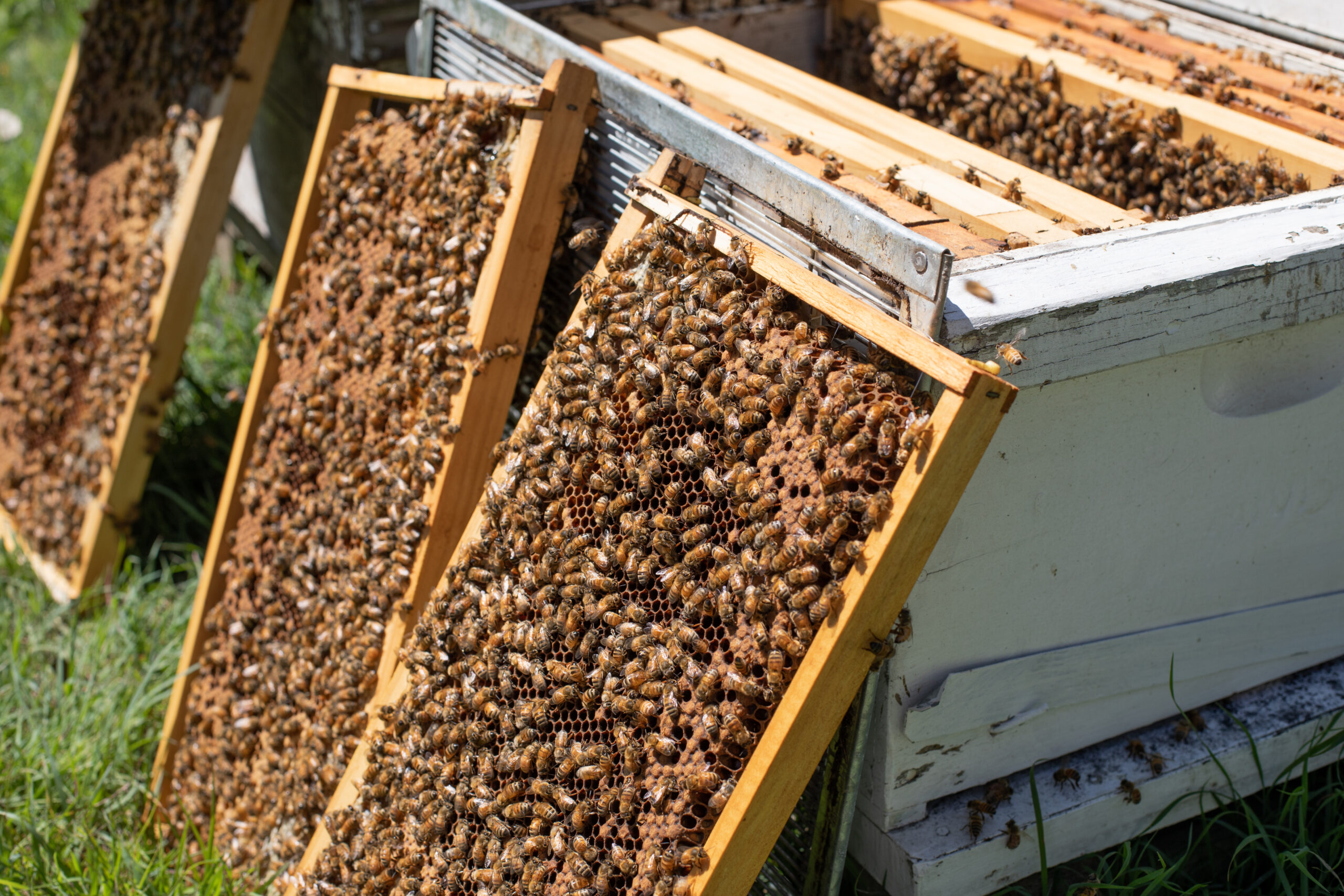
Propolis is a sticky mix of plant resins, beeswax, essential oils and pollen that can be scraped from hives by beekeepers.
It is big business overseas, with multi-million-dollar industries built around propolis extraction and product manufacturing in countries like Brazil, China and Japan.
But in Australia, it is still mostly treated as a low-value byproduct of honey production.
Dr Tran said the collaboration between nine partner organisations would combine expertise spanning beekeeping, propolis chemistry, product development and commercialisation.
The $3m Australian Government Cooperative Research Centre (CRC) Projects grant will support the overall project valued at $7.3m.
Red Earth Pollen will establish a large-scale extraction facility in Western Australia for developing nutraceutical and pharmaceutical products from the honeybee propolis.
Dr Tran said UniSC would help provide the scientific evidence to support a national supply chain to launch unique Australian honeybee propolis products to national and international markets.
“UniSC’s role includes testing and analysing samples of propolis in our campus laboratories, liaising with beekeepers around Australia, providing technical consultation to partners, and supporting the WA facility,” he said.
“We will work to trace the botanical sources of bioactive propolis and introduce authentication methods to ensure quality control and validate new products for market.
“We recently found another premium Queensland propolis that has a chemical profile similar to those from Okinawa and Taiwan – but with an extra chemical component. Given Australia’s unique and diverse native flora, the potential of this project is global.”
Do you have an opinion to share? Submit a Letter to the Editor at Sunshine Coast News via news@sunshinecoastnews.com.au. You must include your name and suburb.
Dr Tran said a scalable propolis extraction and product development ecosystem could transform a discarded and largely underutilised beehive byproduct into premium bioactive extracts.
“We work closely with Australian beekeepers and they are looking forward to creating additional value from their hives,” he said.
Dr Tran said the project built on years of results at UniSC, including a 2023 study that identified 16 Queensland honeybee propolis samples that had more potent antioxidant activity than some well-known international types already sold commercially overseas.
UniSC Deputy Vice-Chancellor (Research and Innovation) Professor Ross Young said the university played an important role in supporting new business development for Queensland and Australia.
“Research like this shows the importance of government, industry and higher education working hand-in-hand to foster real and sustainable growth,” he said.