
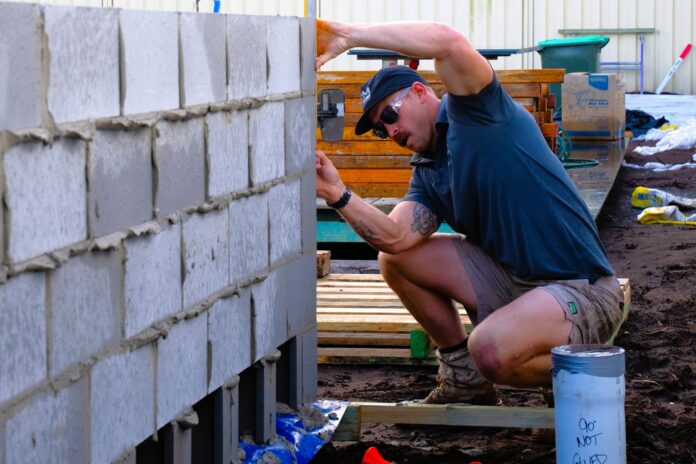
The Sunshine Coast is facing a skilled worker shortage as the region gears up for billions of dollars in construction and infrastructure projects.
The challenge is expected to become more widespread as the region experiences rapid population growth and prepares for major infrastructure ahead of the 2032 Olympic and Paralympic Games.
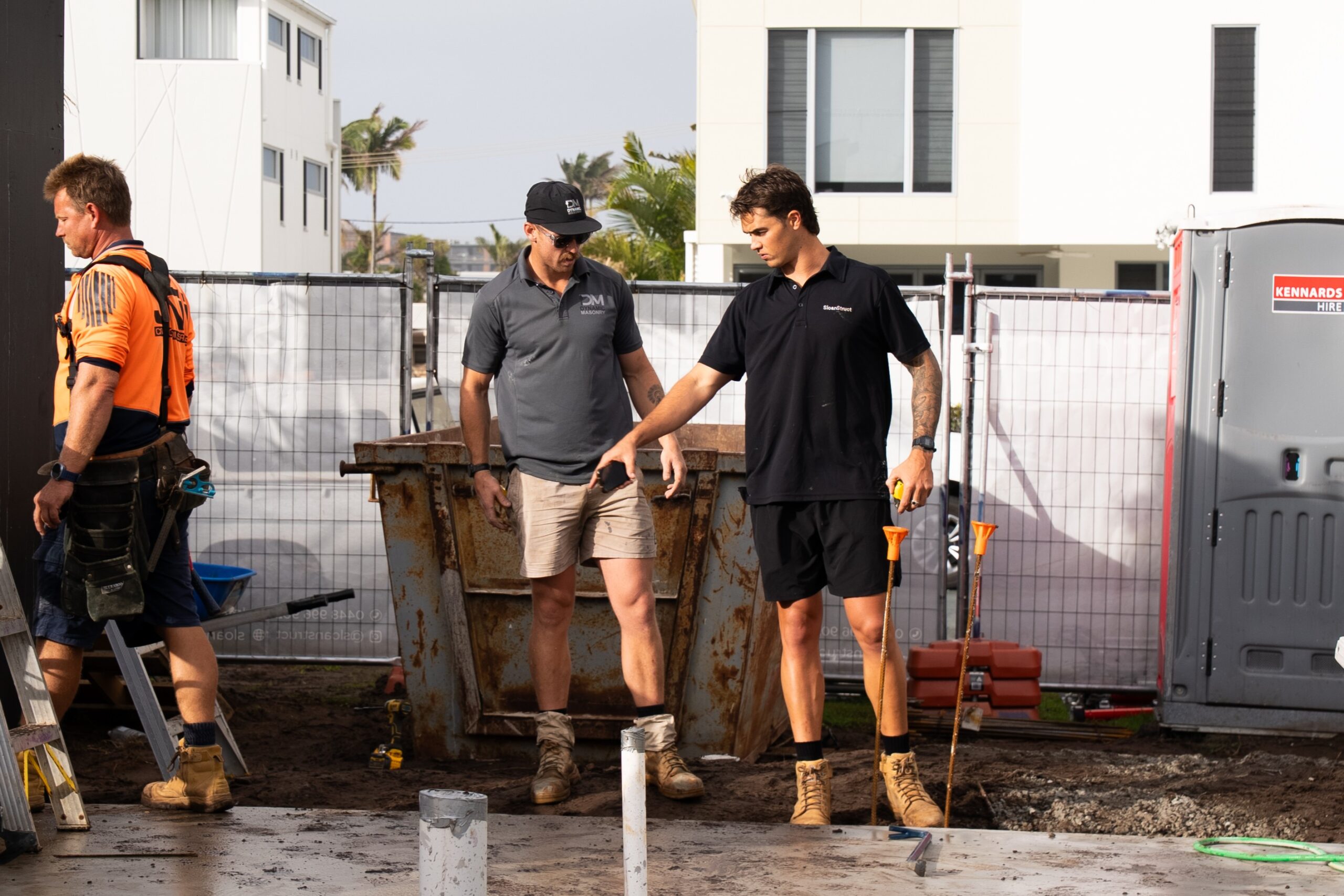
Dynamic Masonry owner and operator Daniel Dole said his bricklaying company was struggling to find enough workers despite strong demand for its services.
“The work is there for me, but I can’t get the number of hands that I need,” he said.
“It’s not only tradies but the labouring jobs and apprentices. It’s hard to find young people willing to get their hands dirty and work hard and make good money.
“There’s been jobs where I’ve had to say, ‘I wish I could accept this, but I just don’t have the manpower to do it.’”
The Sunshine Coast population reached an estimated 381,957 people in June 2025, increasing by 7659 people in one year.
The region’s annual growth rate of 2.05 per cent is above the national growth rate of 1.54 per cent.
The construction pipeline includes major projects such as The Wave public transport network, the Mooloolah River Interchange, the Sunshine Coast Stadium upgrade, the mountain-bike centre, a proposed arena and athlete village, new housing infrastructure, health investment, schools and the construction-focused TAFE Centre of Excellence at Caloundra.

Construction Skills Queensland estimates that the Sunshine Coast represents 14.7 per cent of the value of Queensland’s Games venue and village pipeline.
Games-related construction labour demand on the Coast is expected to increase from about 150 workers in 2026 to 1600 in 2030-2031. This figure covers Games venues and villages only, not the wider transport, health, housing and private development pipeline.
Caloundra Chamber of Commerce president Mike Shadforth said the region needed housing for the workers it intended to attract.
“We need training pathways for local young people,” he said.
“We need procurement packages that local businesses can realistically contest.
“We need infrastructure delivered in a sensible sequence. And we need to protect the character and natural assets that made people want to live and invest here in the first place.”
Do you have an opinion to share? Submit a Letter to the Editor at Sunshine Coast News via news@sunshinecoastnews.com.au. You must include your name and suburb.
Master Builders regional manager Sunshine Coast Nicola Scott said the construction industry needed thousands more workers to meet demand.
“The workforce shortage is the biggest issue for our industry right now,” she said.
“We need around 19,000 additional workers entering the sector every year if we are going to deliver the $119 billion pipeline of work ahead, plus the new homes our state needs.”
Ms Scott said skilled migration was one part of the solution, alongside encouraging apprentices, mature-age workers, career changers and more women to join the industry.
The shortage is also contributing to rising construction costs as demand for skilled workers increases competition.
Housing Industry Association executive director Queensland Mike Roberts said the shortage was giving tradespeople greater bargaining power.
“The shortage of trades gives the trades the upper hand, so to speak, in that they can pretty much name their price. And the builders are left with no other option but to pay it,” he said.
“That is contributing to increasing the cost of housing.”
A TAFE Queensland spokesperson said training pathways were continuing to grow to meet industry demand.
As of April 30, 2026, TAFE Queensland had 14,672 apprentices in training across construction, plumbing and electrical trades, representing 57 per cent of all apprentices in training across Queensland.
TAFE Queensland had also seen an increase of more than 600 apprentices in training in these trades over the past five years.
The organisation said programs including free apprenticeships for under 25s, free construction apprenticeships for over 25s, TAFE at School and career-start programs were helping attract new workers.