
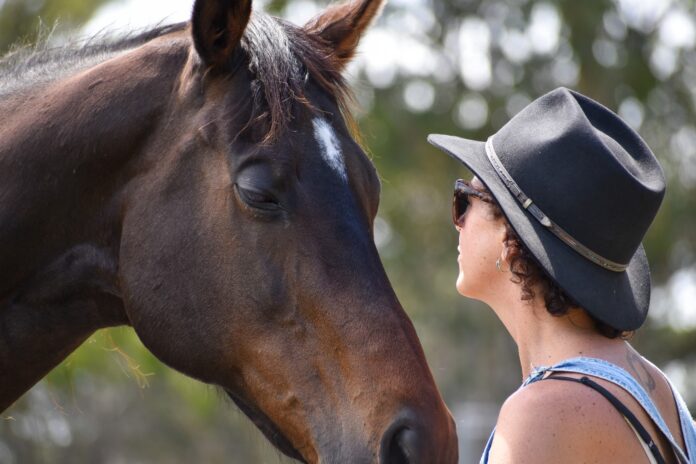
A Sunshine Coast equine therapy charity is urgently seeking more than $50,000 to continue operating as it adjusts following a council-directed relocation.
Hoofbeats Sanctuary is a not-for-profit providing evidence-based trauma healing programs.
In early 2025, Sunshine Coast Council reallocated Hoofbeats’ previous Doonan site to the Yandina and District Pony Club, resulting in the organisation moving to another council-managed property in Yandina.
“The relocation has been one of the hardest chapters in our history,” Hoofbeats Sanctuary CEO Barb Blashki said.
“Our new site in Yandina is less than half the size and, critically, flood-prone, creating significant periods where it is not possible for safety reasons to operate program sessions.
“The relocation also came at significant cost – financial, operational and emotional.
“Moving horses, equipment and an entire program infrastructure is not a small undertaking, and it happened at exactly the moment we were also navigating the funding pressures.”
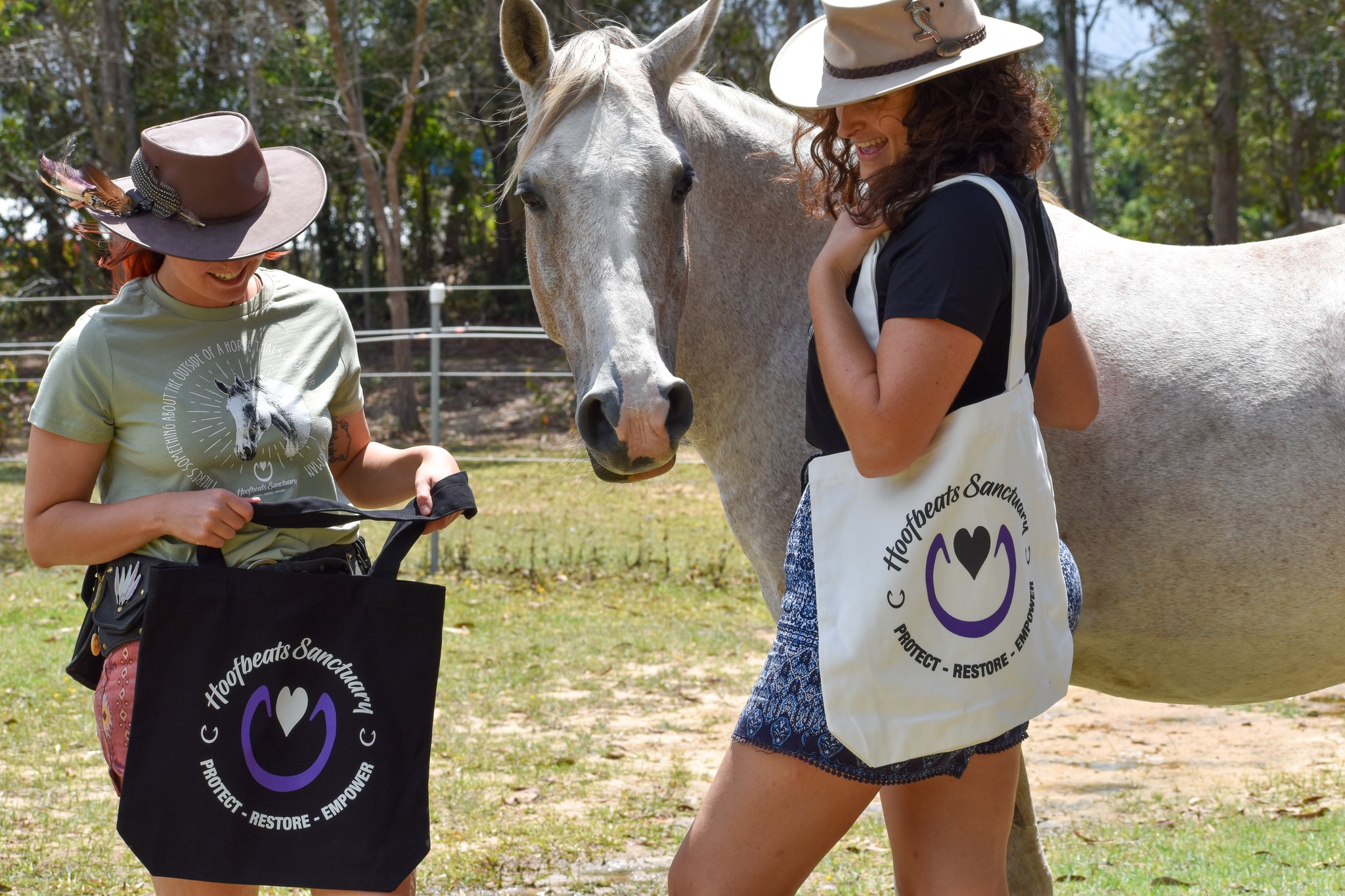
A Sunshine Coast Council spokesperson said Hoofbeats Sanctuary had been supported to successfully relocate onto council land where they now operate and have a long-term home.
“Council has invested in essential infrastructure improvements to enable safe and effective equine operations and programs, including a 40m x 20m undercover night shelter for horses, sheds and farrier facilities, mains power, septic system, rainwater harvesting and distribution, fencing, site drainage, access road and car parking,” they said.
“Council continues to support local not-for-profit organisations through a structured grants program, with funding allocated based on demonstrated community need and benefit.
“This approach ensures investment is directed to services and spaces that are safe, welcoming and inclusive for the community.”
Do you have an opinion to share? Submit a Letter to the Editor at Sunshine Coast News via news@sunshinecoastnews.com.au. You must include your name and suburb.
Ms Blashki said the organisation had long struggled to secure ongoing government support despite independently verified outcomes.
“We have never received ongoing government funding, despite our programs producing outcomes that an independent UniSC service evaluation described as ‘exceptionally significant’, with improvements in mental health more than ten times greater than federally funded services,” she said.
“We exist in a gap – too effective to be ignored, but too small and too community-based to attract the government investment our outcomes warrant.”
Ms Blashki said repeated funding applications had failed to secure long-term backing.
“Each time we apply for government assistance we’re thanked for the incredible work that we do but told that we don’t fit into any existing funding streams,” she said.
She said the organisation had been forced into crisis mode.
“Our funding situation is so dire at the moment that we’ve had to stop accepting program applications from women and girls who need subsidised services,” she said.
“The $50,000 figure represents the minimum we need to reopen enrolments and continue delivering programs free of charge to the girls currently on our waiting list.”
The service was deliberately designed to remain fully subsidised.
“Every program we run is fully subsidised for clients who cannot afford to pay,” Ms Blashki said.
“That is a deliberate choice we’ve made because we believe financial disadvantage should never be a barrier to mental health services.”
Ms Blashki said the organisation’s impact could be life-changing.
“One of our participants told us that when she arrived, she was looking for reasons to not take her life that evening. She describes our program as having saved her life,” she said.
The organisation is appealing for support from donors, businesses and sponsors through its website.