
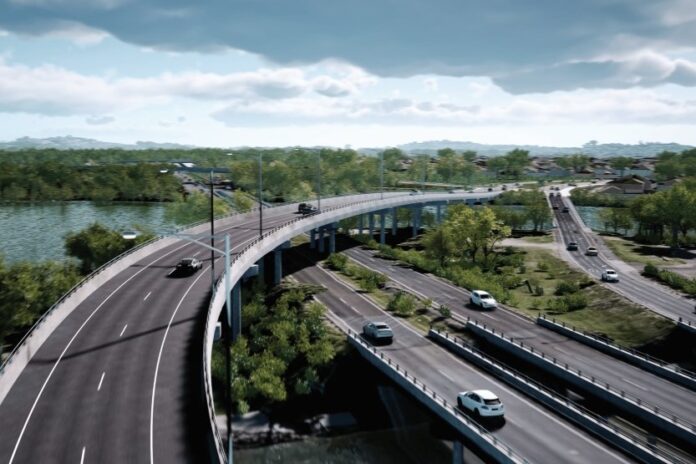
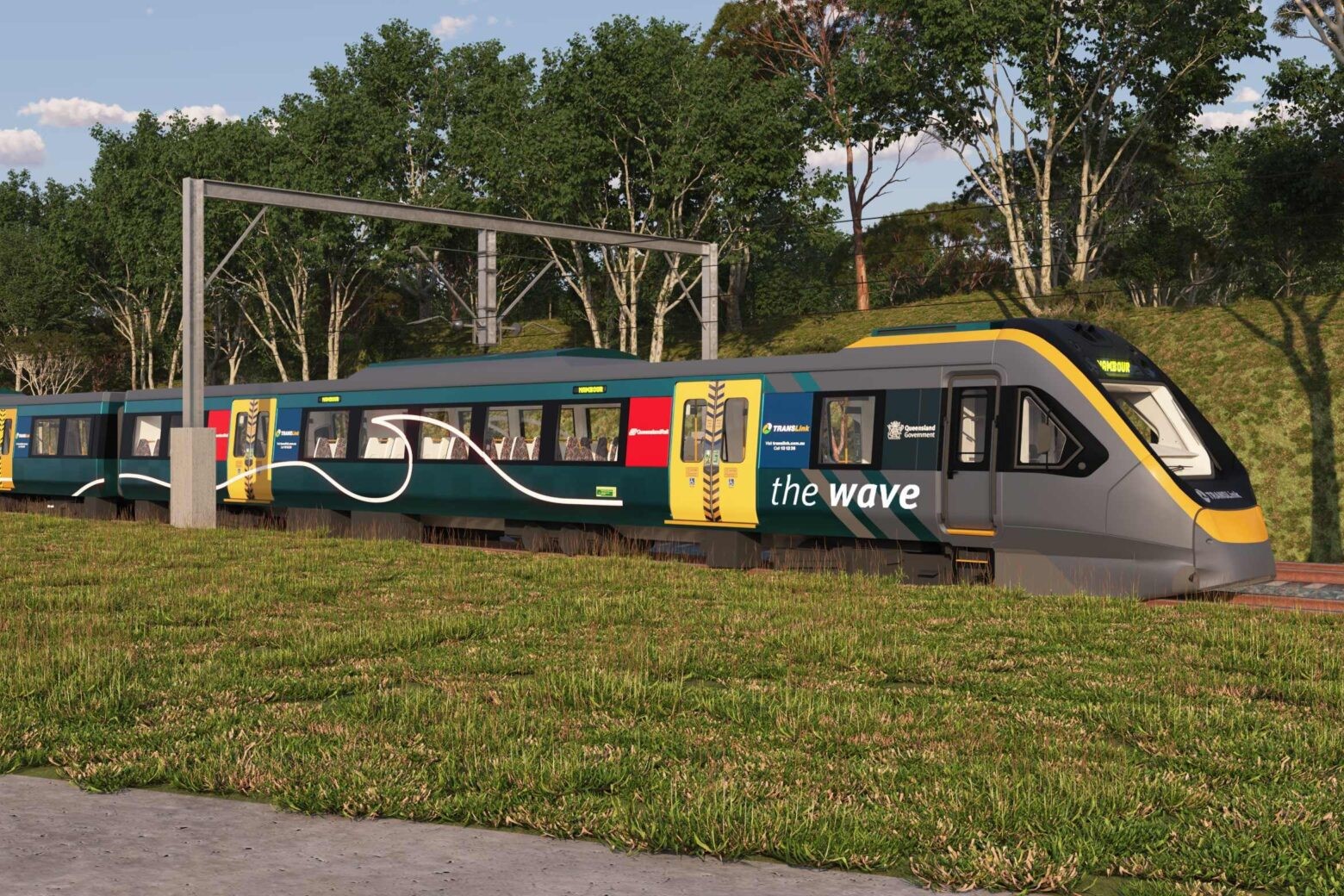
Two Sunshine Coast mega-projects will be among those fast-tracked by the state government so they are ready for the 2032 Olympic and Paralympic Games.
The Wave and the Mooloolah River Interchange Upgrade are both set to be added to the list of projects that the government says will benefit from streamlined approvals, faster delivery and clear planning certainty.
It comes after the Crisafulli Government last year passed new laws to ensure Games venues, villages and transport infrastructure are completed on time and on budget.
Amendments will be introduced under the laws passed last year to formally add more key venues and infrastructure, including the two Sunshine Coast projects.
Deputy Premier and Minister for State Development, Infrastructure and Planning Jarrod Bleijie said the legislated fast-tracked pathway would strengthen Queensland’s ability to host the Games.
“Adding key projects to the Act cuts through bureaucratic delays, restores discipline to the program and gives Queenslanders confidence that essential infrastructure will be delivered on time,” he said.
“Most importantly, this is about delivering a generational legacy on time and on budget, including better transport connections, more housing supply, renewed precincts and job-creating opportunities for Queenslanders well beyond 2032.”
The controversial laws to fast-track the 2032 Olympic projects came under fire last year, with the state government told to “go back to the drawing board”.
The 15 planning laws are aimed at ensuring construction is not delayed by potential legal challenges, with the final planning sign-off given to the state government – not local councils.
Dave Copeman from the Queensland Conservation Council took aim at the government’s “blinding hypocrisy”, saying it was “literally ripping up any process for community consultation on our existing laws for Olympic facilities”.
Do you have an opinion to share? Submit a Letter to the Editor at Sunshine Coast News via news@sunshinecoastnews.com.au. You must include your name and suburb.
Meanwhile, fears of an Olympic-sized blowout for Brisbane 2032 have been rejected by the government, despite the Games boss saying extra costs are inevitable.
Experts say they are not surprised by 2032 chairman Andrew Liveris’ concession that organisers are working on a revised budget for a Games featuring venues across Queensland.
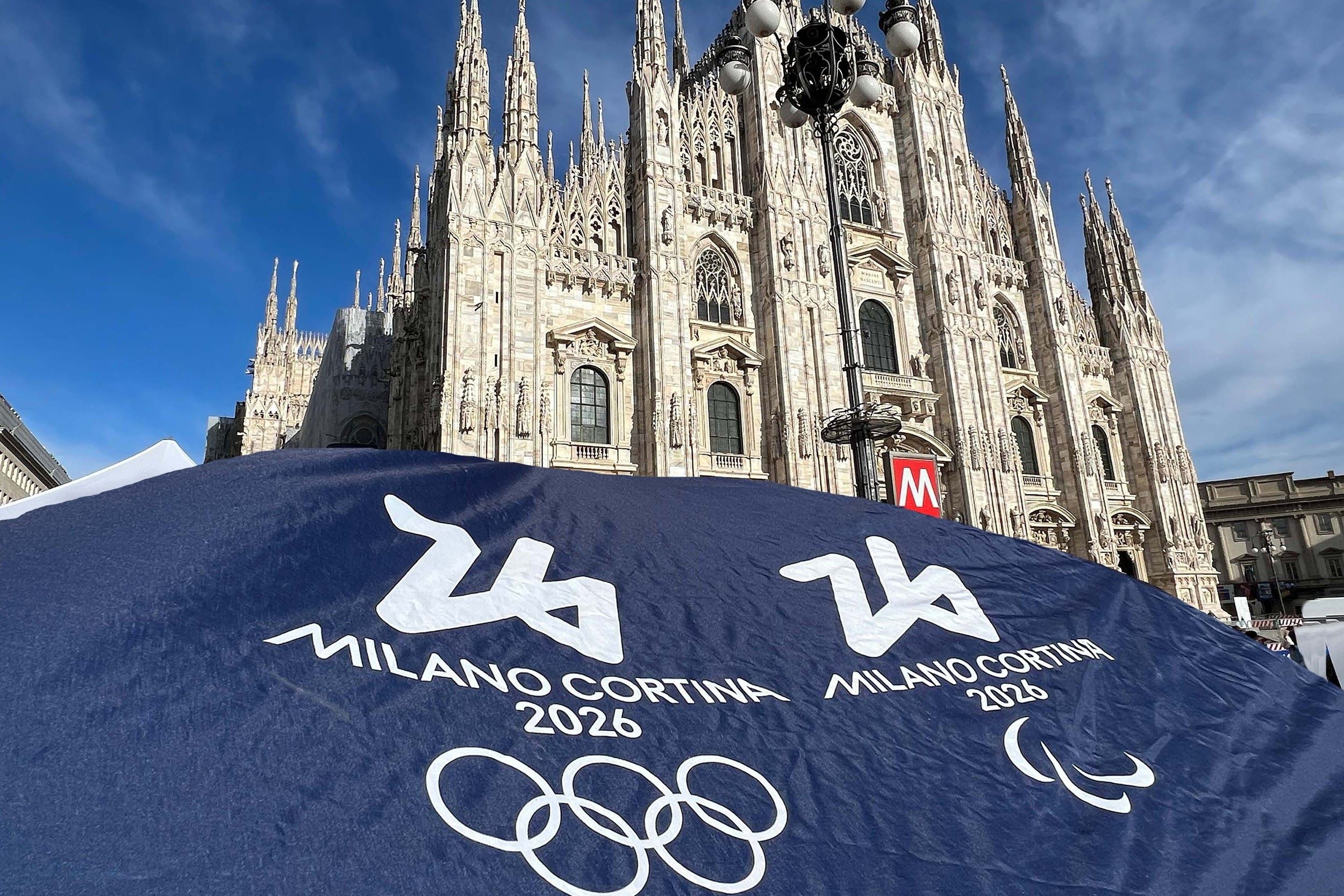
Mr Liveris provided an update to the International Olympic Committee in Milan, telling delegates the original 2021 bid budget of $4.9 billion “bears no resemblance to reality, especially right now”.
Mr Liveris said sharing events in city and regional centres across Queensland meant the original budget was unrealistic.
The major stadium will be constructed in Brisbane, but events are spread from the Gold Coast to Cairns, a distance of more than 1500km.
“These are nine locations that not only have a capital consequence but an operating consequence,” Mr Liveris said.
The Games budget is separate to the $7.1 billion for 2032 infrastructure construction, funded jointly by the state government and commonwealth.
Premier David Crisafulli and Mr Bleijie said the construction budget would remain unchanged.
“We’ve made that commitment to Queenslanders,” the premier said.
Mr Crisafulli said the de-centralised nature of the Games “won’t cost Queenslanders one extra cent”.
“What Mr Liveris has to do is find sponsorship which is obviously what he is doing,” he said.
Mr Liveris told IOC delegates that 2032 organisers had signed “one of the largest companies in Australia” as their first commercial partner but it was yet to be revealed.
He said Brisbane organisers were also set to learn from the Milano-Cortina Winter Olympics.
These Games are believed to be the most dispersed Winter Olympics and have been hit by additional costs and construction delays, with its ice hockey venue not yet complete.
Mr Bleijie played down concerns about hosting a dispersed Games, saying the 2032 organisers’ responsibility was to attract sponsorship “so what they deliver is cost neutral”.
“It will not cost any more additional money to have these sports in regional Queensland.”