
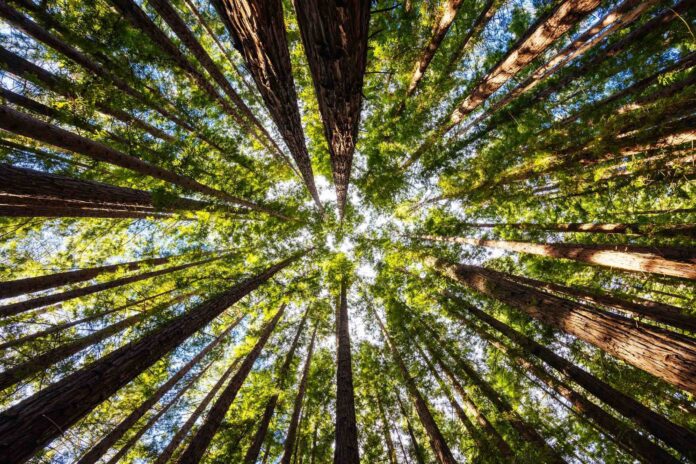
From the tropical rainforests of the far north to the cool temperate eucalypt forests of the south, Australia’s trees are dying faster than new saplings are growing.
The thinning of the nation’s diverse forest ecosystems has been going on since the 1940s, a comprehensive continent-wide study has found.
The Western Sydney University-led research suggests hotter, drier conditions fuelled by human-caused climate change are largely responsible.
Author Belinda Medlyn, of the university’s Hawkesbury Institute for the Environment, says trees are well-adapted to their existing climates.
Species home to the Northern Territory’s savannas, for example, are accustomed to hot climates and long dry seasons.
Help keep independent and fair Sunshine Coast news coming by subscribing to our FREE daily news feed. All it requires is your email at the bottom of this article.
These adaptations, however, have not been enough to spare the far north from tree losses under global warming.
“As you’re getting warmer temperatures everywhere, everything is coming under stress,” Professor Medlyn said.
Tree mortality research has typically focused on specific ecosystems or dieback events, such as the insect-caused decline of snow gums in the Australian Alps.
The new study represents the first continent-spanning analysis of tree loss, capturing background growth and decay activity outside of bushfires or logging across Australia’s main forest types.
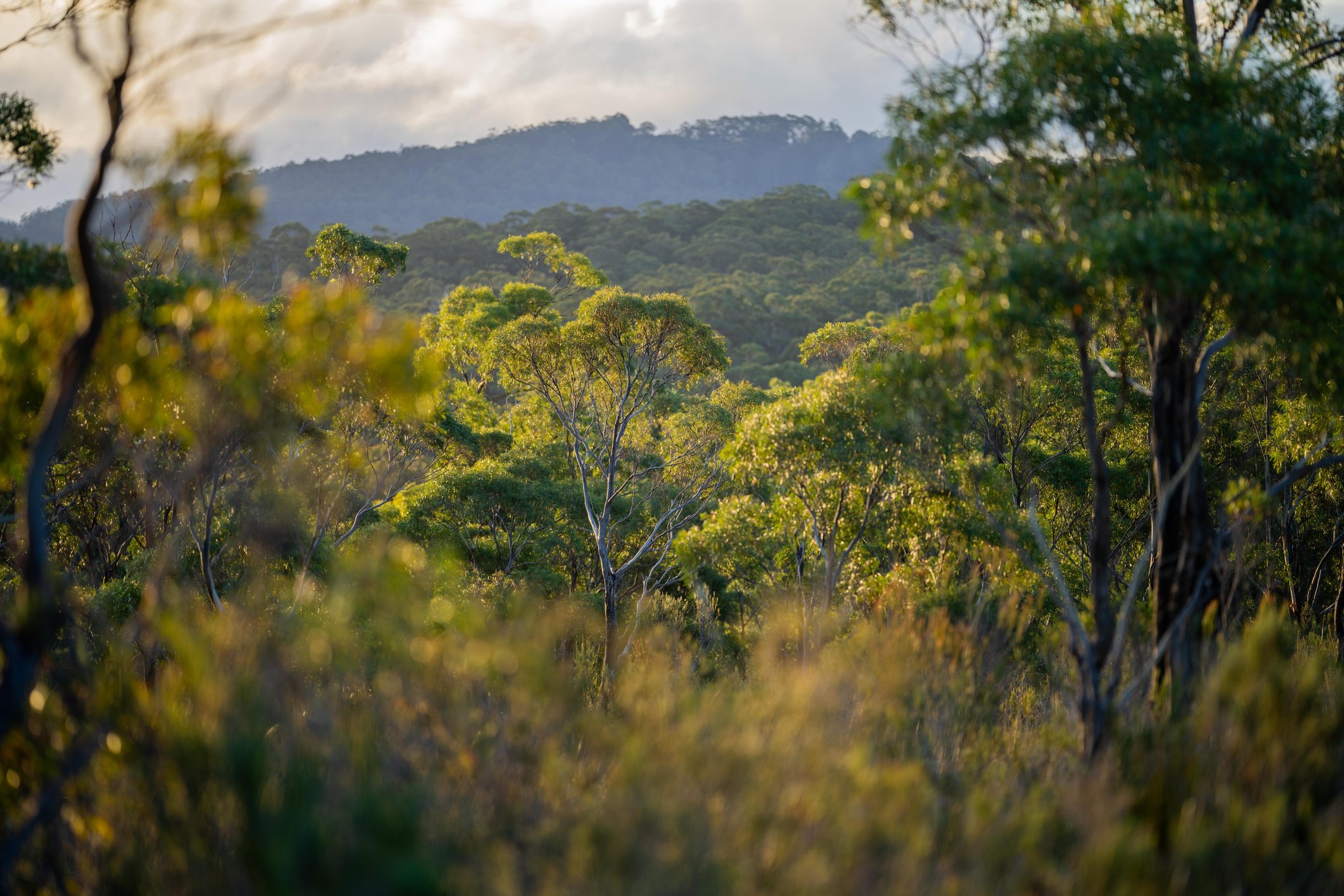
In a strikingly consistent pattern, all forest types exhibited a persistent increase in mortality since the 1940s at the same time as tree growth stagnated or declined.
Losses were highest in hot, dry regions and in dense forests where there was more competition between trees for water and light.
“Australians rely on their forests for a wide range of ecosystem services, from cultural values and recreation to timber for houses,” Prof Medlyn said.
“Increasing tree mortality in our unique forests will affect all of these.”
Forest contributions to countering climate change by absorbing excess carbon dioxide may also be undermined, she warned.
Earlier studies found Australia’s tropical rainforests had switched to being net sources of carbon dioxide rather than net sponges.
Prof Medlyn said a separate body of research was underway to pin down precisely how forests were responding to two opposing forces brought by climate change – extra carbon dioxide in the atmosphere fuelling plant growth, versus more stress from heat and drought.
“But the obvious inference is that if you have more trees dying, then you will have less capacity to store carbon,” she explained.
“While they’re alive, they’re holding a lot of carbon. After they die, they will start to decay, decompose, perhaps burn, so they won’t be holding that carbon for very much longer.”
Forests are major players in fight against global heating and featured prominently at the 2025 United Nations talks on climate change held at the gateway to the Amazon rainforest.
Brazil worked hard to elevate the issue and while some financing was secured for tropical forest protection, the Belem event failed to produce a global plan to end deforestation.