
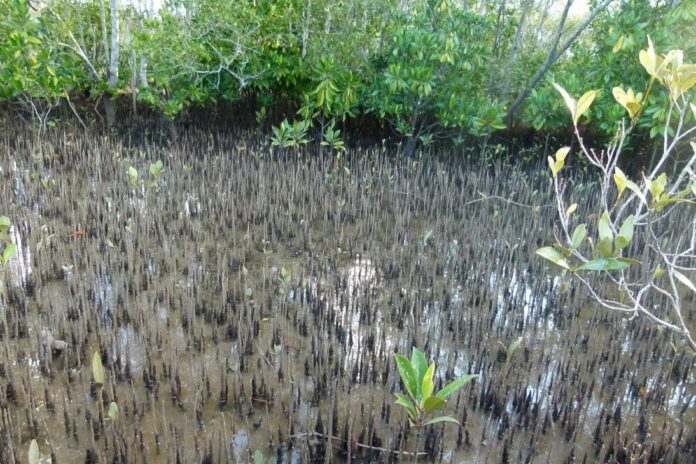
Reports of a “rotten egg” smell made to Unitywater have prompted the utility to investigate the source – and its findings were not what residents suspected.
Bli Bli and Golden Beach residents contacted Unitywater concerned the foul smell was issuing from the wastewater network.
Executive manager customer delivery Rhett Duncan said investigations found it was mangroves that were on the nose.
Mr Duncan said up to one in four odour reports were not actually related to Unitywater infrastructure. Often the cause of the stench was mangroves or other environmental factors, especially during the cooler months.
“When mangroves drop their seeds, bacteria helps break down the organic matter, producing a sulphur reaction, which creates sulphide gas and the associated odour,” Mr Duncan said.
“It’s often described as a rotten egg smell and is most common between May and November, as cooler conditions disperse less sulphide gas, so it’s more concentrated.
“This can be mistaken for wastewater odour.”
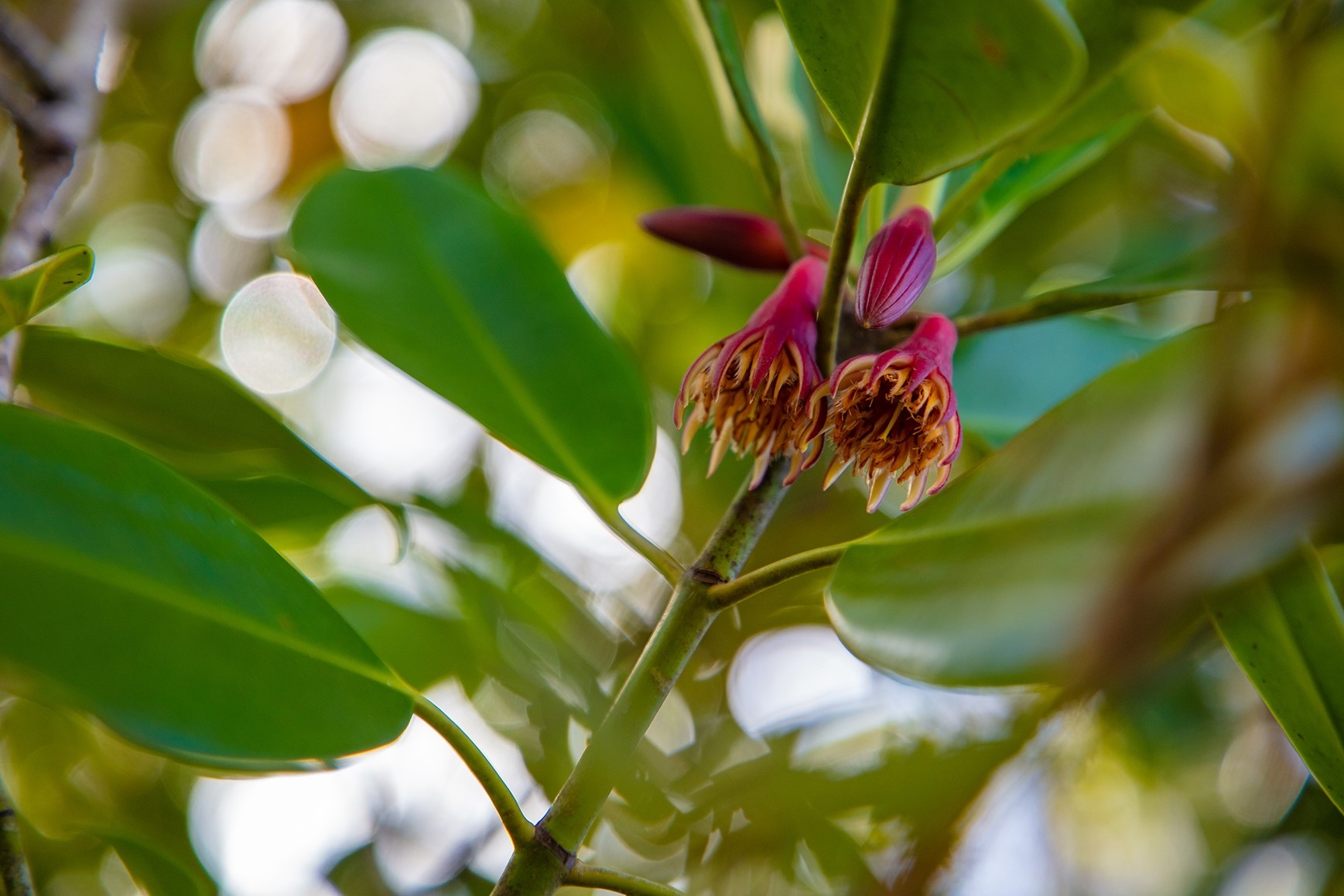
In the past 12-months, the utility received 376 odour reports across its service region, which were investigated to ensure there were no operational issues with the wastewater network.
“We take these reports seriously and we understand odour can be a nuisance for the local community,” Mr Duncan said.
“Our regular maintenance programs help manage any odour from our network and we encourage residents who notice an odour to consider if it may in fact be coming from a nearby swamp, wetland or river.”
Want more free local news? Follow Sunshine Coast News on Facebook, LinkedIn and Instagram, and sign up for our FREE daily news email.
Residents may be able to detect if the odour was caused by mangroves by considering how close they were to mangroves, the time of year, wind and seasonal changes in rainfall and temperature.
“While it can be a nuisance, in Queensland all mangroves are protected and play an important role in stabilising riverbanks and channels,” he said.
“They also provide important habitat and food sources for local animals, including various species of waterbirds, fish and bees.”