
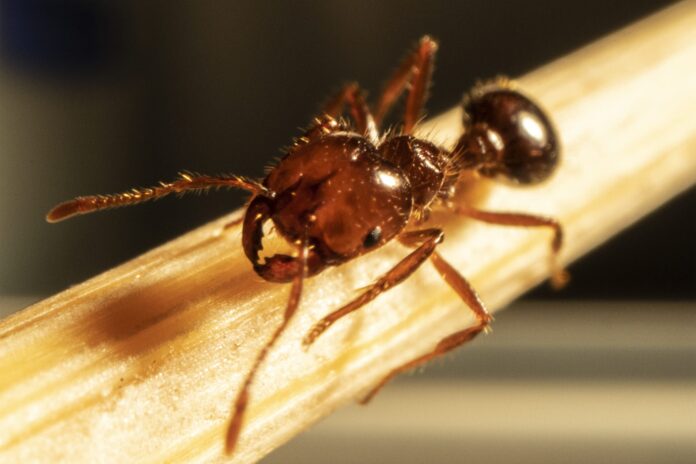
A new fire ant biosecurity zone has been established on the Sunshine Coast, following the detection of multiple nests last month about 35km north of previous recorded sightings.
A National Fire Ant Eradication Program team visited a site at North Arm, near Yandina, on January 17, after a community member reported a suspect nest.
Six nests were destroyed using direct nest injection, and the ants were confirmed by scientists to be fire ants that afternoon.
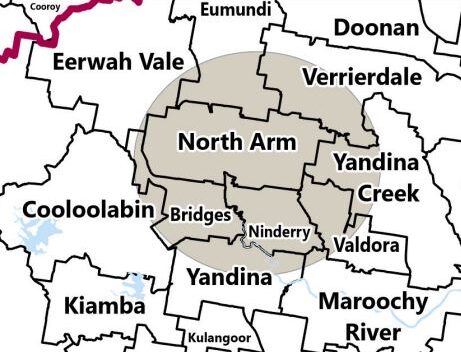
The new biosecurity zone covers a 5km radius around the site and covers all or parts of Bridges, Cooloolabin, Eerwah Vale, Eumundi, Maroochy River, North Arm, Ninderry, Valdora, Verrierdale, Yandina and Yandina Creek.
The new zone is effective from today and means anyone within it handling or transporting materials that can carry fire ants – such as soil, hay, straw, mulch, manure, quarry materials, turf and potted plants – must follow biosecurity requirements.
Nests were last year detected at Nirimba and Banya, Currimundi and Nirimba, and the threat appeared to have eased before the discovery of nests at North Arm, which is the most northern sighting.
National Fire Ant Eradication Program compliance manager Robert Wilson said the zones functioned as a precautionary measure to prevent fire ant spread into new areas.
“Our teams are actively working in North Arm, Ninderry and surrounding towns, working with the community and businesses to raise awareness about the devastating impacts of fire ants and how to look for and report suspect fire ants and nests,” he said.
“We have engaged affected businesses by phone, in person and online to ensure they are prepared for the changes and understand what the fire ant biosecurity zones and associated movement controls mean.
“We appreciate the community for welcoming and working with us to eradicate fire ants from the region.
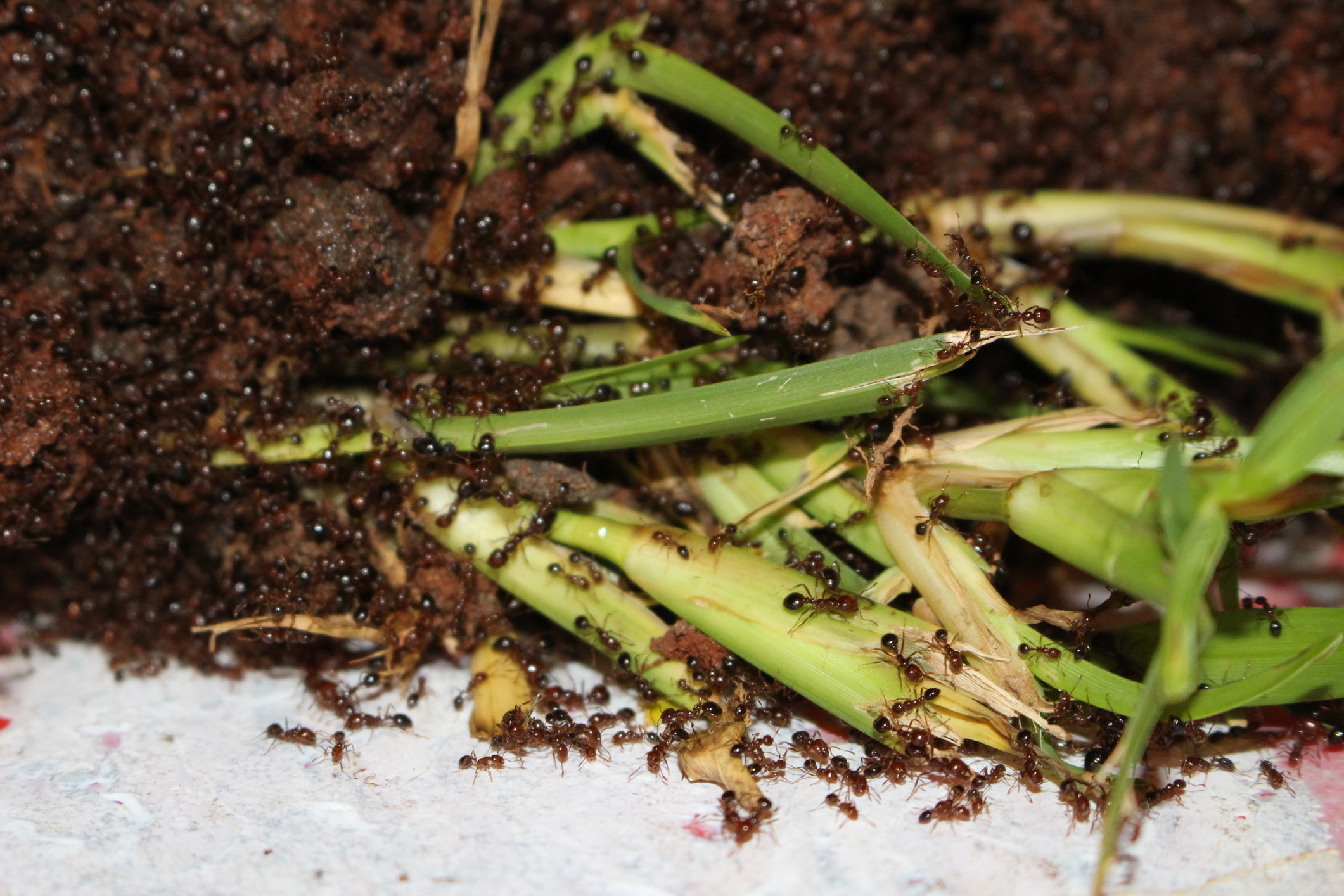
“Fire ants are highly mobile and adaptable, often hitching rides in landscaping materials. Moving just one fire ant queen to a new area could lead to an entire community becoming infested.
“Establishing a fire ant biosecurity zone around the North Arm detection will help reduce the risk of human-assisted spread and protect Australia from one of the world’s most invasive pests.”
Residents in the biosecurity zone are strongly urged to look for and report any suspect fire ants or nests within 24 hours, and to ensure any high-risk materials purchased within the zones are produced, processed and stored using fire ant-safe practices.
Businesses must regularly check the zones and comply with associated movement controls, and use fire ant-safe practices before transporting materials from within the zones. If they cannot meet these requirements, they must apply for a biosecurity instrument permit.
Failing to follow biosecurity requirements can result in fines, temporary business closures and legal implications.
Visit the website or call 132 ANT (13 22 68) for more information.