
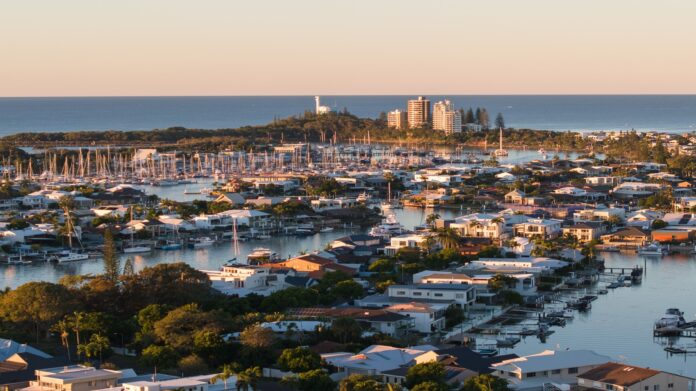
Moving to the country has become more than just a quaint daydream but a way of life for Australians battling cost-of-living pressures and the housing squeeze.
Migration from the capital cities to regional areas is at a two-year high, nearly 20 per cent above levels before the COVID-19 pandemic, according to population figures released on Wednesday.
The Regional Movers Index showed 35 per cent more people moved to the country than in the opposite direction in the September quarter.
And it appears to be more than a short-term plan for many, with moves from the regions to the cities falling by 5 per cent.
“The decline in migration flows from regional areas to the cities may indicate the impact of rising living costs and tightening urban housing and job markets,” the report said.
The index, compiled by the Regional Australia Institute and the Commonwealth Bank, showed the eastern states led the city exodus.
Areas that attracted the biggest share of movers were Greater Geelong and Moorabool in Victoria and Lake Macquarie in NSW.
“The Sunshine Coast, however, retained its leading position to account for an 11.6 per cent share of net internal migration,” the report says.
“This came despite a 26.6 per cent drop-off in quarterly growth and a relatively stable annual growth rate of 1.7 per cent.”
Do you have an opinion to share? Submit a Letter to the Editor at Sunshine Coast News via news@sunshinecoastnews.com.au. You must include your name and suburb.
Maitland, near Newcastle in NSW, was a new addition to the top five suburbs for movers.
The population of Maitland has grown by more than 20,000 people in the ten years to 2021, according to Census figures.
Commonwealth Bank’s head of regional and agribusiness Paul Fowler said it was becoming increasingly clear that life in the regions was more than a trend.
“We think it’s healthy for the country’s economy and population to be more balanced, to be able to deliver better outcomes across the board,” Mr Fowler told AAP.
“Seeing these continued migration patterns into the regions aids and supports that.”
Related story: Call for more infrastructure as Coast again tops migration list
Moving to a large regional hub may not ease financial pressures for every Australian, as house and rental prices rise in the country too.
Regional dwelling values rose 1.1 per cent in the three months to October, with mining areas leading the charge, according to Corelogic data.
That’s likely driving people further afield, including to Bunbury in Western Australia, Moira and Wangaratta in Victoria, Queensland’s Scenic Rim and Murray Bridge in South Australia.
The institute released research last month showing stalled progress to make the regions more liveable as populations boom.
Improvements in key areas of housing, education, overseas migration and healthcare slowed or declined in the last year, according to an annual review by the think tank.
The institute’s chief executive Liz Ritchie said Australia must act on a new era of migration.
“It’s vital this demographic shift is recognised and regional communities are provided with the infrastructure, services and support they need,” Ms Ritchie said.