
When a young humpback whale washed ashore at Alexandra Headland last month, it drew a crowd.
The 6.7m baby’s death was documented with images and heartfelt social media posts, with many feeling sadness at the sight of such a magnificent animal lying lifeless on the sand.
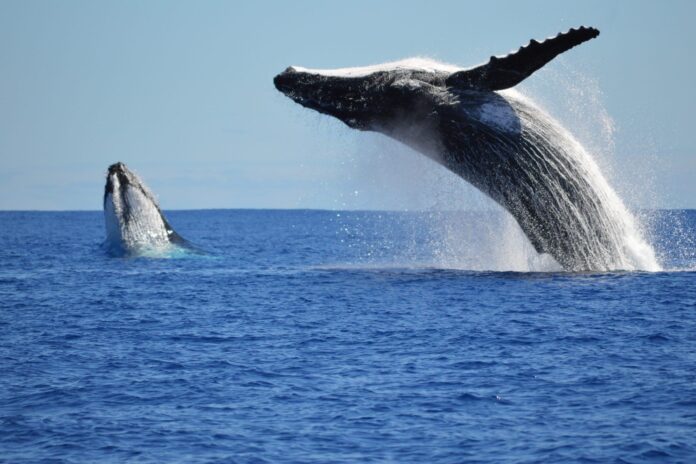
The public reaction was genuine. Australians love whales. We marvel at them during migration season, book tours to see them breach offshore and share videos of close encounters online.
Yet the whale also revealed an uncomfortable truth about our relationship with wild animals: loving wildlife and respecting wildlife are not always the same thing.
Too often, our affection for wild animals extends only as far as our convenience and when wildlife inconveniences us, the tone changes.
Sharks become threats rather than essential predators. Flying foxes become pests. Native animals that wander into human spaces are treated as problems. The whale at Alex exposed this contradiction.
Do you have an opinion to share? Submit a Letter to the Editor at Sunshine Coast News via news@sunshinecoastnews.com.au. You must include your name and suburb.
Many people were moved by its death because it was uncomfortable and seemed out of place, but nature does not exist solely in its most photogenic form. Wild animals become sick. They die. They remind us that nature is not a carefully curated Instagram feed.
If we genuinely respect wildlife, our responsibility goes beyond sympathy. Respect is a behaviour, not an emotion.
It means staying behind exclusion zones instead of trying to get a better photo.
It means giving stranded animals space rather than turning them into social media content.
It means keeping beaches, waterways and bushland free from rubbish that can injure or kill wildlife.
It means slowing down in areas where animals cross roads and supporting conservation efforts.
True respect for wildlife should extend beyond the inspiring moments. It should include acceptance that wild animals are not performers in a nature documentary.
Nature is not always beautiful, tidy or convenient.
The whale at Alex was a tragic sight, but it was also an honest one. It exposed not only the vulnerability of a magnificent animal, but the conditions we place on our love for the natural world.
Dr Jane Stephens is a UniSC journalism lecturer, media commentator and writer. The views of the author do not reflect those of UniSC.