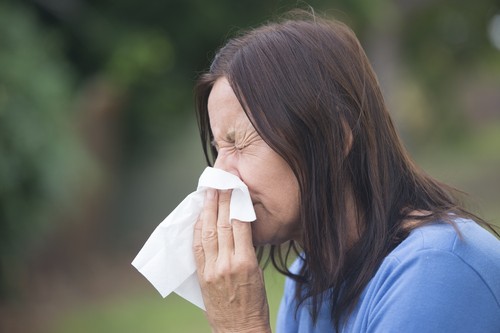
Spring has sprung on the Sunshine Coast, bringing warmer weather and flowering gardens, but for hay fever sufferers it can also mean sleepless nights, missed work and cancelled plans.
New national research from comparison service iSelect has found seasonal allergies are taking a toll on Australians’ wellbeing, with almost one in five sufferers reporting disrupted sleep as one of the biggest impacts on their daily life.
While 22 per cent said allergies were only a minor inconvenience, 23 per cent reported being less productive at work and/or having to take sick days because of spring allergies.
iSelect spokeswoman Sophie Ryan said the findings also revealed almost one in five, or 19 per cent, had their outdoor plans affected and/or cancelled social outings altogether.
“People often think of hay fever as a few sniffles and sneezes, but our research shows it can have a real impact on daily life,” she said.
“Sleep disruption was one of the most common issues reported by allergy sufferers, and when you are not getting enough quality sleep, it can affect everything from your productivity at work to your ability to make the most of the warmer weather.”
As spring pollen levels increase, sufferers often adjust their routines to manage symptoms.
Bushfire smoke can create an additional problem for people with allergies, asthma and other respiratory conditions by irritating airways.
It can also travel long distances, meaning communities away from active bushfires can experience poor air quality.
Help us deliver more news by registering for our FREE daily news feed. All it requires is your email at the bottom of this article.
Ms Ryan said some allergy sufferers could face the combined effects of pollen and smoke.
“People with hay fever and other respiratory conditions should keep an eye on local pollen forecasts and air quality alerts so they can take steps to manage their symptoms and reduce exposure when conditions are poor,” she said.
The findings come from an online survey commissioned by iSelect and conducted by PureProfile in June 2026, involving 1020 Australians.