
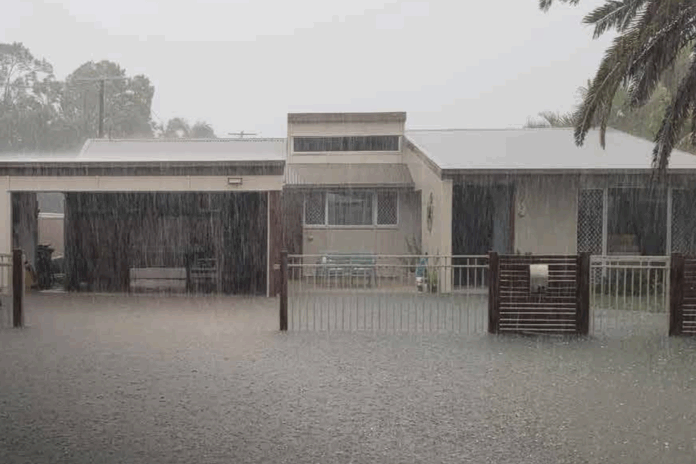
Sunshine Coast Council officers are recommending a new strategy for how homes are built and renovated in areas affected by flooding.
The proposal will be considered at council’s Ordinary Meeting on Thursday where councillors will be asked to consider a new Flooding and Coastal Resilience Design Guide.
The guide is designed to help homeowners and designers identify the risks affecting a property and choose an appropriate building or renovation plan.
The overall strategy is to raise homes and keep water moving, rather than obstructing flood and stormwater flows.
The guide has been developed for a region council describes as having five major waterways, 58 creeks and 65km of coastline, where intense storms and flooding can occur. Coastal properties can also face storm tides and wave action.
According to the guide, flooding can come from rivers and creeks, overland flow, stormwater or storm tides, and a property can be affected by more than one type. It states the appropriate design response therefore depends on the hazards identified at each site.
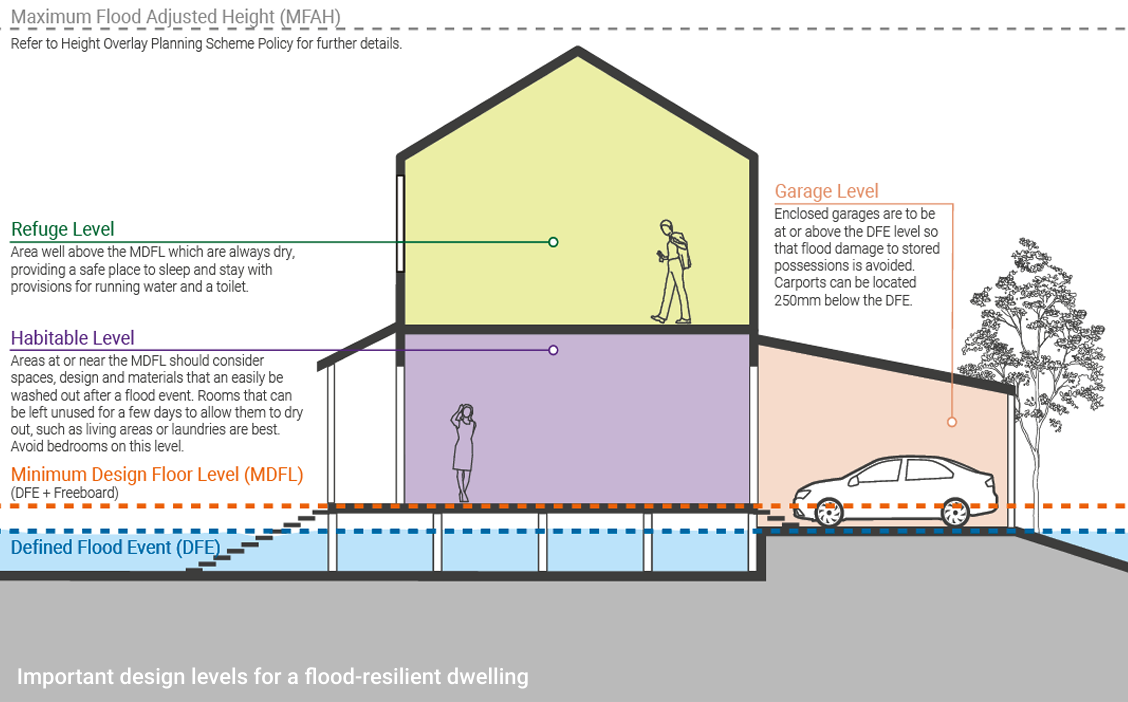
For new homes, officers recommend either building on fill or building on posts to raise the floor to the required Minimum Design Floor Level. Fill is intended for suitable sites with shallow flooding, while posts can be used where deeper flooding, overland flow or flood-storage considerations make a raised structure more suitable.
Homes built on posts would have an open area underneath to allow floodwater to pass through. The guide says the space should not be enclosed or used for storage because this can obstruct flows and increase flood risk.
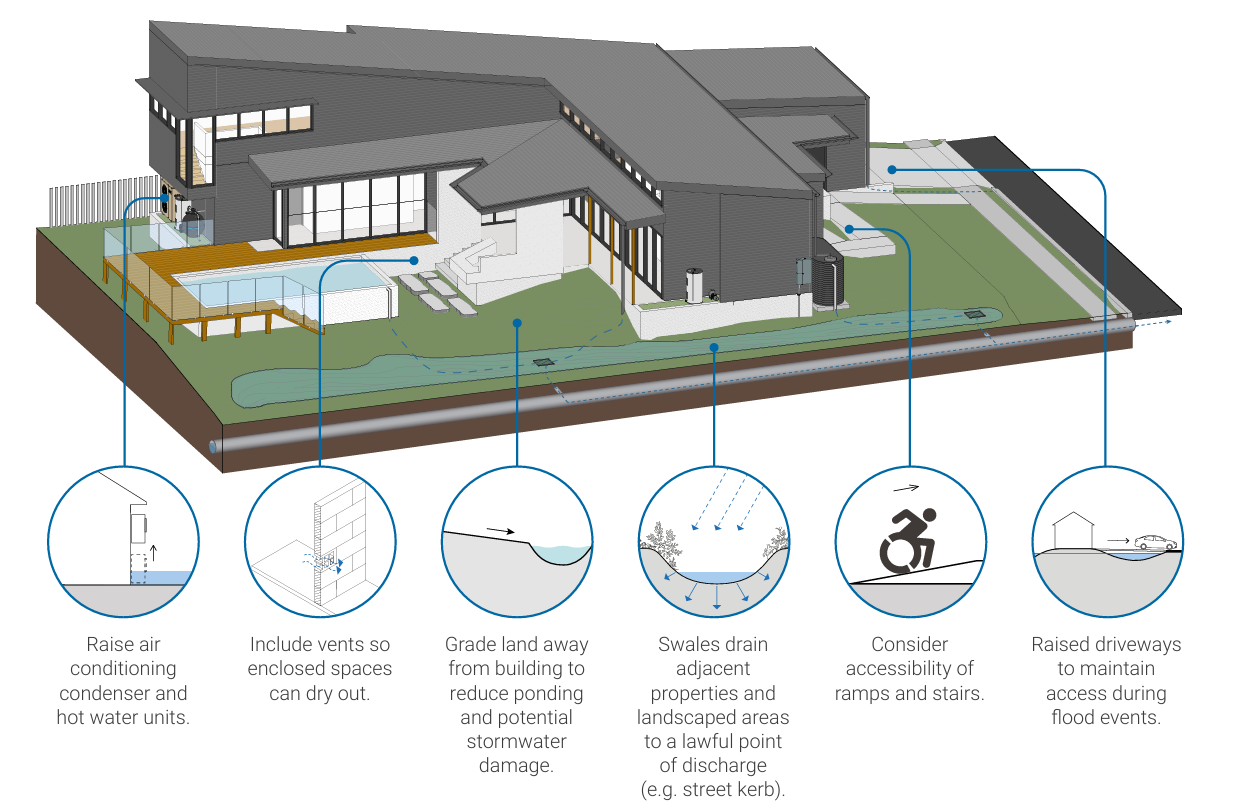
For existing houses that can be raised, the recommended strategy is to raise them on posts. Where that is difficult, including some slab-on-ground homes, officers suggest a resilient renovation or new build. This could include an additional upper storey to provide a flood refuge, while lower rooms could be renovated using flood-resilient approaches.
Do you have an opinion to share? Submit a Letter to the Editor at Sunshine Coast News via news@sunshinecoastnews.com.au. You must include your name and suburb.
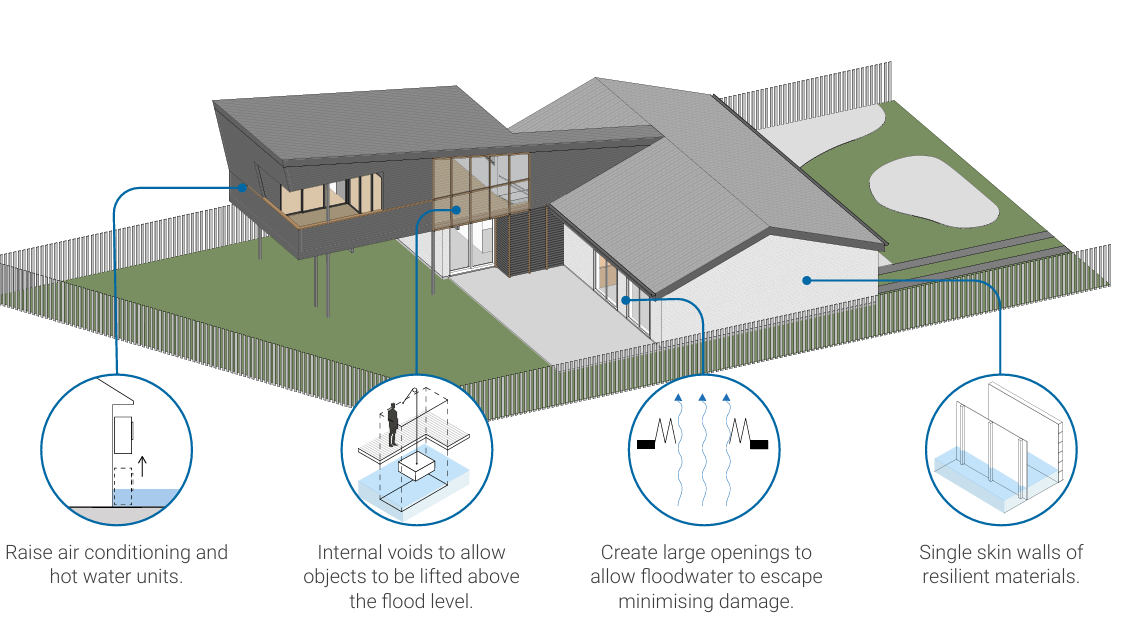
For some existing homes below the defined flood level that cannot be raised, the guide recommends wet flood-proofing. This means allowing water to enter and leave more easily while using water-resistant materials and protecting vulnerable services. The guide does not recommend trying to seal homes against flooding through “dry flood-proofing”.
Extensions are also expected to respond to site conditions. Where an extension cannot avoid flood or stormwater-risk areas, the guide says it should preferably be built on posts. An extension affected only by low or moderate flood risk may instead be able to be raised on fill.
According to the council’s meeting agenda, the guide cost $103,664 to prepare, including supporting communications material, with council expecting to spend another $5000 a year promoting it. It was also included in community presentations in Nambour following flooding in March and April 2025.
Officers are recommending councillors receive the report and endorse publication and promotion of the guide. The report states that use of the guide will not be mandatory.