
Noosa Council officers want to inspect selected private properties for invasive species over the next five years.
A report prepared for Noosa Council’s general committee meeting on September 8 recommends approval of the Biosecurity Surveillance Program 2027-2031.
The program would authorise designated council officers to conduct inspections on private land within defined survey areas to detect, monitor and manage prohibited and restricted invasive plants and animals.
It follows previous biosecurity surveillance programs in the region, and is being proposed under the Queensland Biosecurity Act 2014.
If approved, the Noosa region would be divided into four areas, with each surveyed during a different quarter every year.
Cooroy, Cooroy Mountain, Tinbeerwah, Cooroibah and the Noosa part of Doonan would be surveyed from January to March.
Black Mountain, Federal and the parts of Ridgewood and Eerwah Vale within the Noosa Council area would be covered from April to June.
Kin Kin, Pinbarren, Cooran and the Noosa part of Como would be surveyed from July to September.
Pomona, Lake MacDonald, Ringtail Creek, Cootharaba and Boreen Point would be covered from October to December.
The proposed program would operate from January 1, 2027, until December 31, 2031.
The officers’ report says authorised officers would visit a selection of private properties in each area, usually with the owner present, and use a mobile mapping system to record whether prohibited or restricted invasive species were present.
Examples of prohibited species listed in the report include tropical soda apple, water soldiers, red-eared slider turtles and American corn snakes.
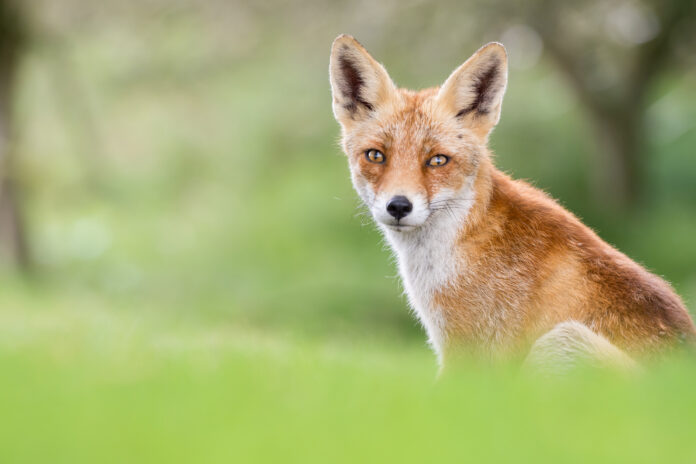
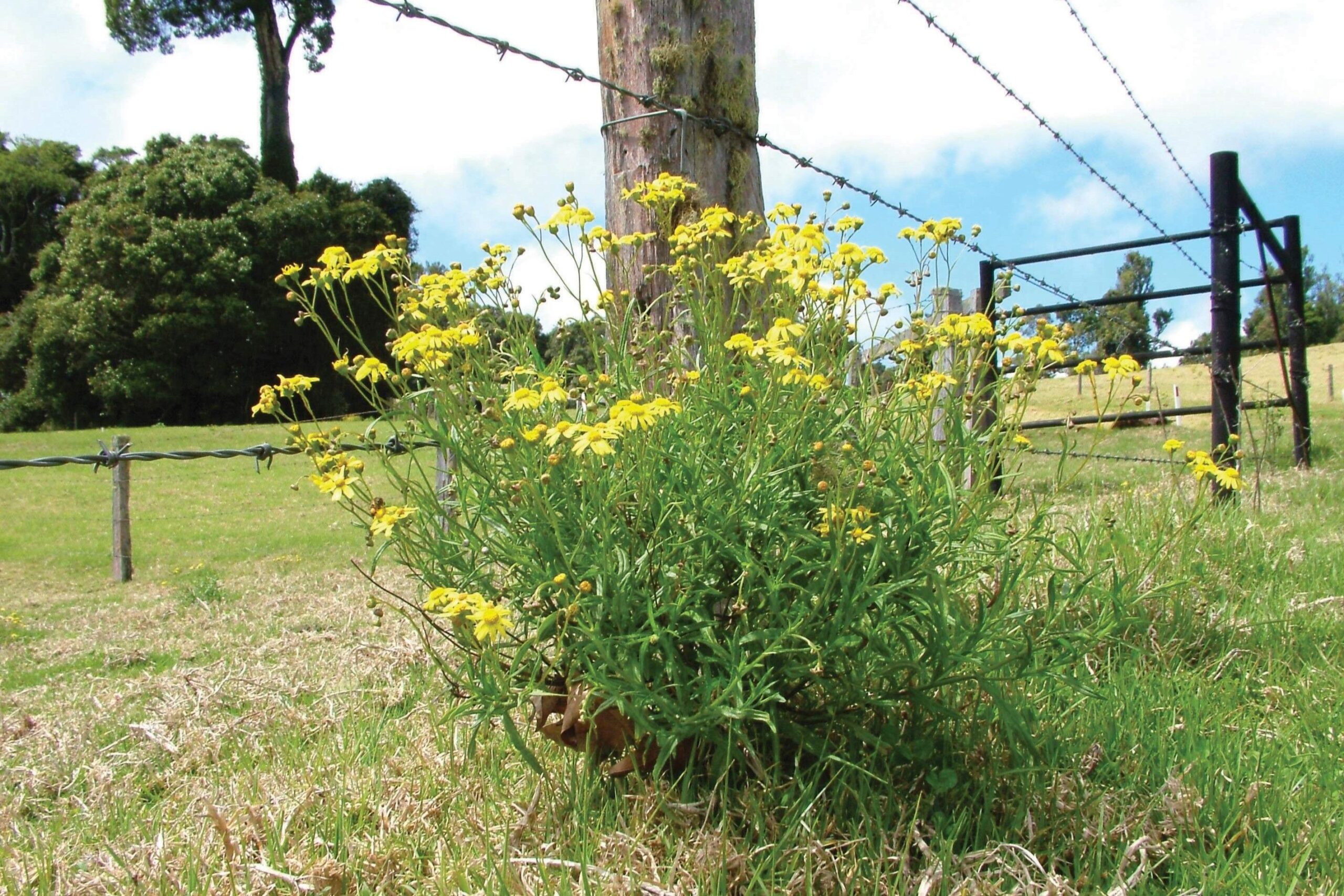
Restricted species include fireweed, groundsel bush, European foxes and feral red deer.
If prohibited species are found, the information would be referred to Biosecurity Queensland, which is the lead agency for prohibited invasive species.
Do you have an opinion to share? Submit a Letter to the Editor at Sunshine Coast News via news@sunshinecoastnews.com.au. You must include your name and suburb.
Where restricted species are found, landholders would be formally advised and given information about what had been identified and how it could be controlled.
Council officers could issue a statutory order requiring control measures to be undertaken within 30 days if reasonable action was not taken.
If the order was not complied with, council could arrange for a contractor to enter and clear the property, with the cost charged to the landowner.
The report says the previous surveillance program, which ran from 2020 to 2024, resulted in 36 written requests to landowners to control restricted invasive plants.
Ten biosecurity orders were issued and there were four instances where council undertook enter-and-clear action.
Council officers say the previous program showed that education and engagement with landholders was effective, with formal enforcement required in only a small number of cases.
Related stories: Biosecurity officers appointed to tackle pests on Coast and Fire ants spread to another Coast suburb
The proposed program would be delivered through council’s existing biosecurity operations and funded from its current operational budget.
The report says property inspections would require approximately one day per week of an officer’s time, or about 12 days to complete each quarterly survey area.
Council officers say early detection is important because the cost of managing invasive species increases significantly once they become established and widespread.
They have identified a high risk associated with failing to endorse the program, including environmental damage, biodiversity loss, increased management costs and potential non-compliance with the Biosecurity Act 2014.
The program’s enaction would require council approval, as required under the Act.