
A discovery by Sunshine Coast scientists could change how scars are treated, after researchers identified a natural compound linked to reduced skin damage.
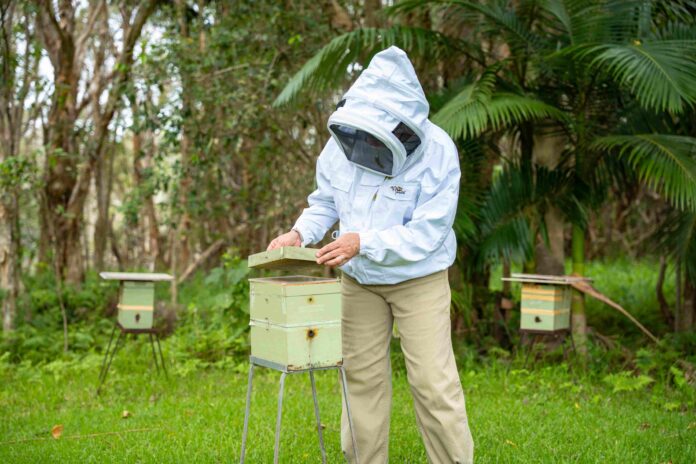
The UniSC team found the substance in propolis produced by the native stingless sugarbag bee, with early results showing it could limit scarring after surgery, burns and injuries.
Propolis is a sticky mixture used by bees in the construction of their hives. It usually contains beeswax, bee saliva and resin from the native and non-native plants that bees pollinate.
The compound is now being investigated as a potential treatment, with long-term plans to develop it into a simple cream.
The research team, led by UniSC scientists including PhD student Lisa Randall, said the results marked an important step forward, given millions of people each year suffered serious wounds or burns potentially causing lifelong pain and disability.
Dr Randall and supervisors, including Associate Professor Fraser Russell, Dr Trong Tran and Professor Robert Harvey, extracted the compound, called tomentosenol A, from propolis and injected it into human cells grown in culture plates.
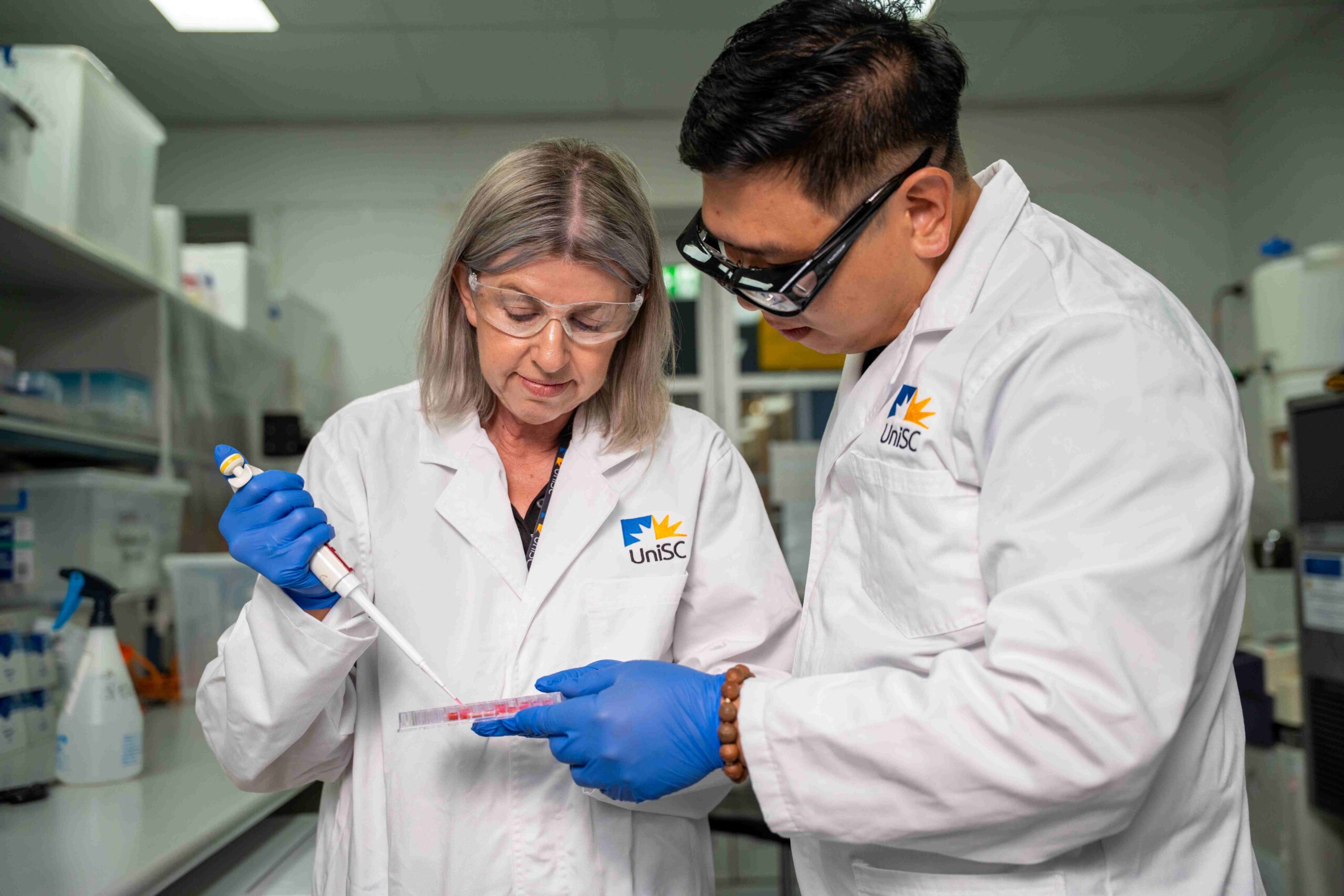
Dr Randall said the early results were promising enough to proceed to pre-clinical trials.
“Previous studies have identified antioxidant and anti-fibrotic properties, but this is the first research of its kind to show how the compound can prevent the activity of cells which cause scar tissue formation,” she said.
Scroll down to SUBSCRIBE for our FREE news feed, direct to your inbox daily.
Current scar treatments could be inconsistent and often failed to address the root cause.
“Existing treatments such as corticosteroid injections, scar correction surgery, pressure garments and silicone sheets can have limited effectiveness, so there’s an urgent need for new treatments that are more consistently effective, accessible and tolerable – and directly target the underlying causes,” Dr Randall said.
Related story: Antioxidant ‘bee glue’ creates a buzz
The long-term aim is to develop an affordable, easy-to-use product that could be applied directly to the skin.
The research also highlighted the broader potential of native bee products, with scientists identifying additional compounds that could be used in health, skincare and pharmaceutical industries.
About 170 propolis samples were collected from across Queensland and New South Wales, including contributions from local beekeepers.
Dr Trong Tran, who has been leading ongoing research into native bee products, said the findings pointed to a growing opportunity.
“We found nine distinct propolis types with potent antioxidants, indicating that sugarbag bees could contribute to new health products in food, supplements, cosmetics and pharmaceuticals,” he said.
The work is being supported by industry partners and forms part of a broader push to better understand and use Australian native bee products, which have traditionally been overlooked.