
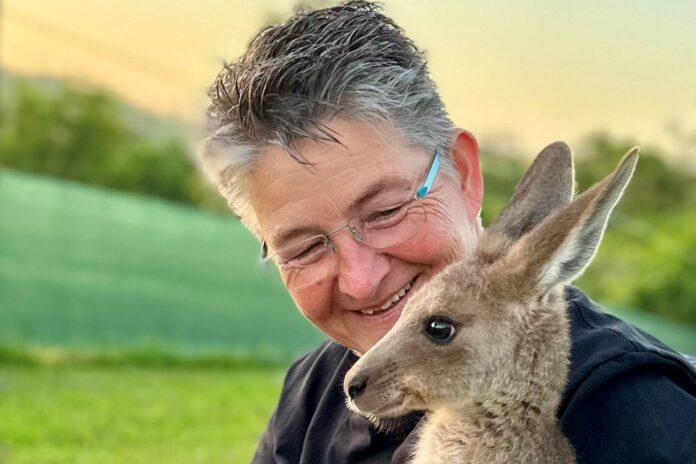
Wildlife rescuers on the Sunshine Coast have reported a surge in injured and displaced animals as housing development spreads across the region.
Susanne Scheuter and Jane Duxberry, founders of Second Chance Wildlife Sanctuary, said the loss of green space and habitat fragmentation was pushing more wildlife into urban areas and increasing the number of animals needing care.
The pair run the sanctuary from their private property, where they rehabilitate a range of native animals including kangaroos, possums and birds before releasing them back into the wild.
But they said the demand for rescues had been steadily growing.
“At Christmas time, we had 21 animals in our care, which is well and truly over the limit for two people, so we are grateful for our volunteers who come and help,” Ms Duxberry said.
Ms Scheuter said urban expansion was increasingly forcing animals into dangerous situations.
“When developments go in, the wildlife doesn’t just disappear,” she said.
“They are pushed out of their habitat and into roads, backyards and other places where they get injured or attacked by pets.”
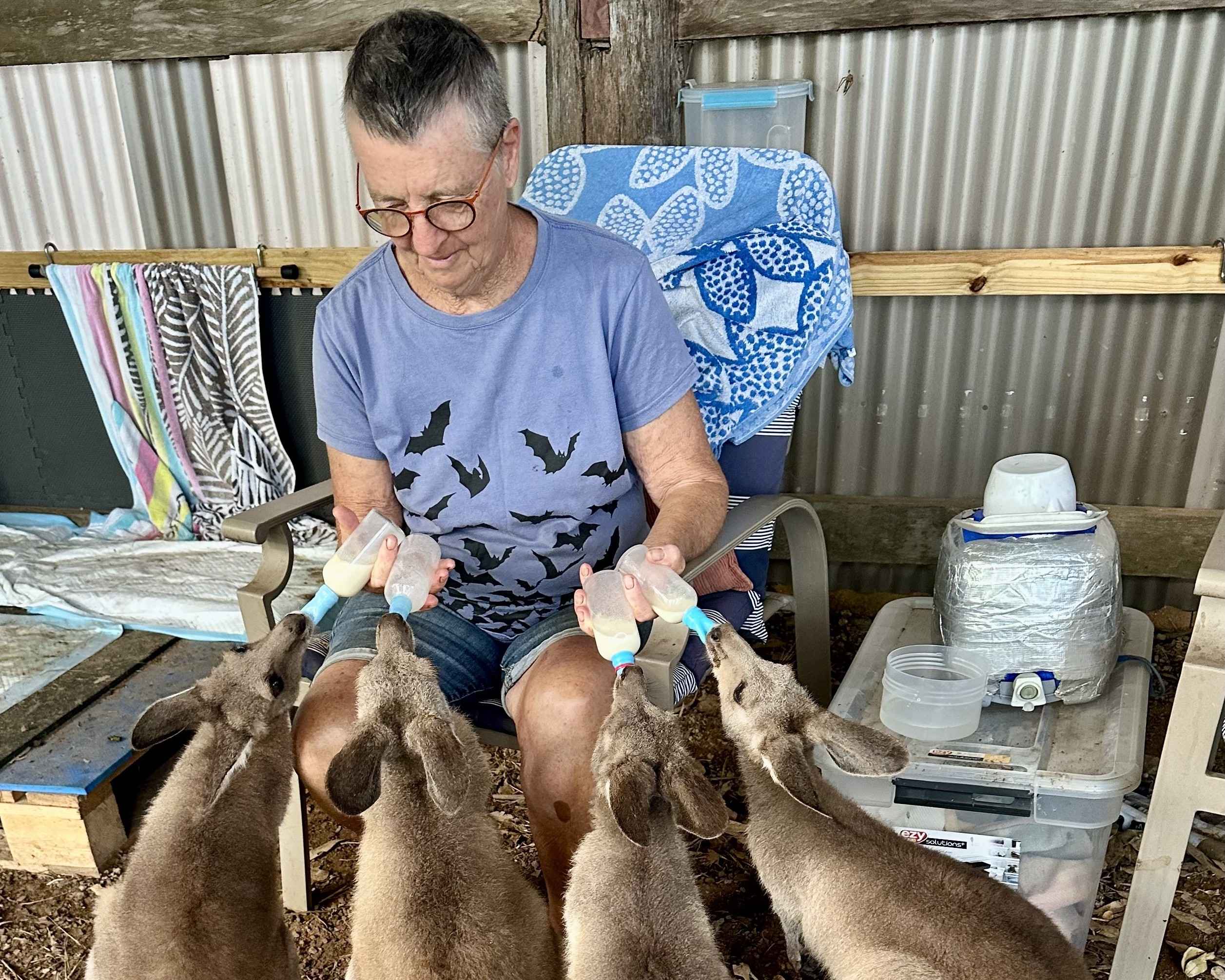
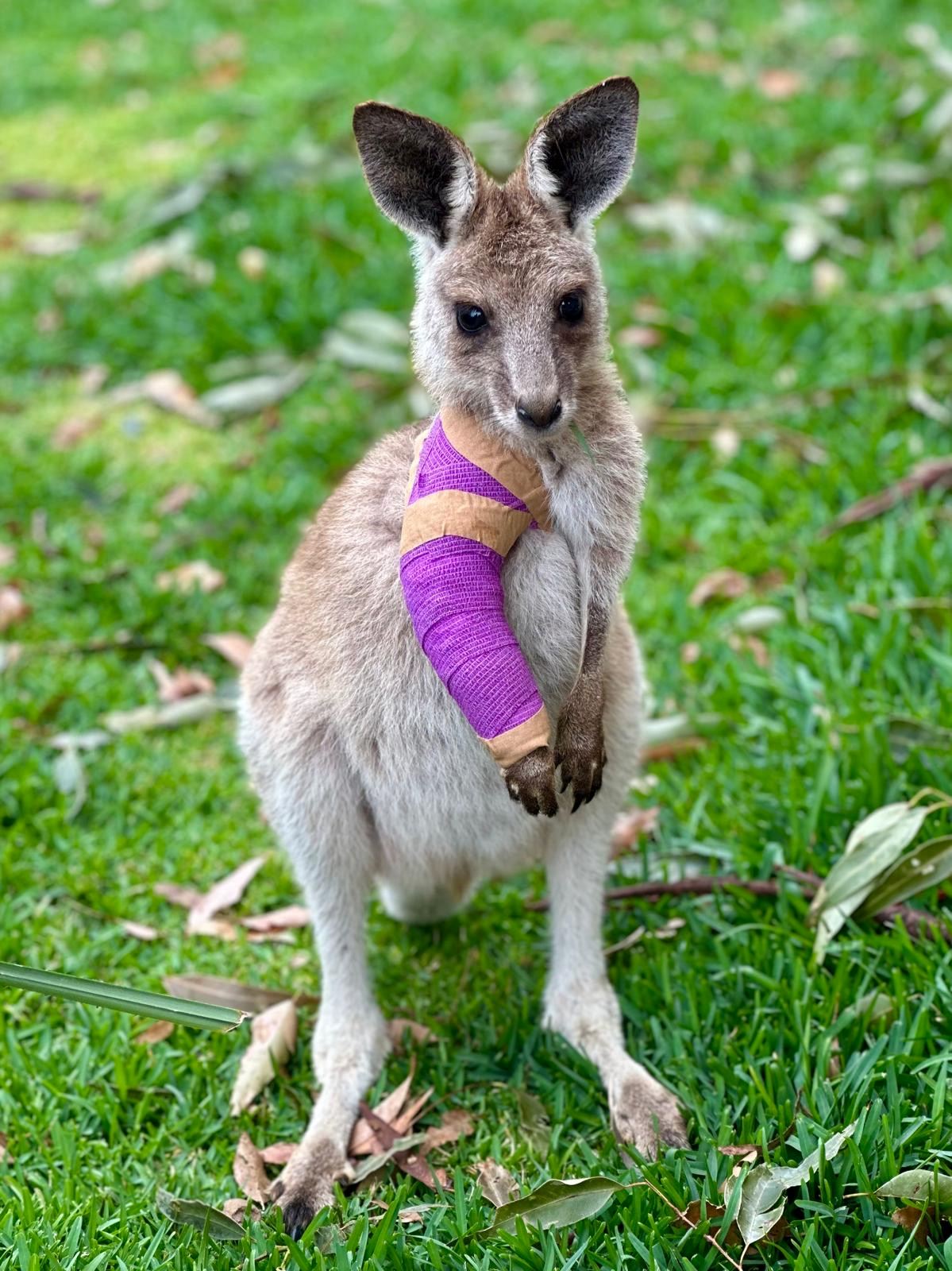
She said the sanctuary frequently received animals suffering from vehicle strikes, dog attacks and starvation after losing access to food sources.
Councils, however, said environmental protection and habitat connectivity were built into their planning frameworks.
A Sunshine Coast Council planning scheme document provided to Sunshine Coast News stated development must be designed to “avoid, as far as practicable, or minimise and mitigate adverse impacts on the natural environment”.
The document also said habitat for endangered and vulnerable species was to be “protected and enhanced”, while ecological linkages are maintained to ensure wildlife movement across the region.
Noosa Council said it also prioritised biodiversity protection through its planning scheme, environmental levies and conservation land acquisitions, aimed at maintaining wildlife corridors and safeguarding habitat.
“More than 40 per cent of Noosa Shire is protected as national park, conservation land or environmental reserve, and council continues to work closely with the state, conservation groups and wildlife carers to protect habitat, improve connectivity and reduce impacts on wildlife,” Richard MacGillivray, council’s director development and regulation, said.
Despite these policies, Ms Scheuter and Ms Duxberry said frontline rescuers were seeing the consequences of rapid population growth first-hand.
Want more free local news? Follow Sunshine Coast News on Facebook, LinkedIn and Instagram, and sign up for our FREE daily news email.
Ms Duxberry said wildlife carers were often the last safety net for animals displaced by development.
“We’re the ones who see them when they’ve been hit by a car or attacked or when their habitat has been cleared,” she said.
“It’s heartbreaking, because many of these animals would never have been in those situations if their habitat was still intact.”
The growing number of animals in care has also forced the sanctuary’s founders to make a difficult decision.
They are now selling their home – which currently serves as the base for the sanctuary – in order to move to a larger property that can accommodate more animals and provide a more suitable rehabilitation environment.
Ms Scheuter said the move was necessary to continue their work.
“We simply don’t have enough space anymore,” she said.
“The rescues keep increasing and we need somewhere bigger where the animals can recover properly before being released.”
The pair are now searching for a suitable property but said the cost of land on the Sunshine Coast had made the process challenging.
They are appealing to the public for help, whether through donations, leads on affordable rural land or community support.
“Our goal has always been to give these animals a second chance,” Ms Duxberry said.
“But to keep doing that, we need a place where the sanctuary can grow with the demand.”