
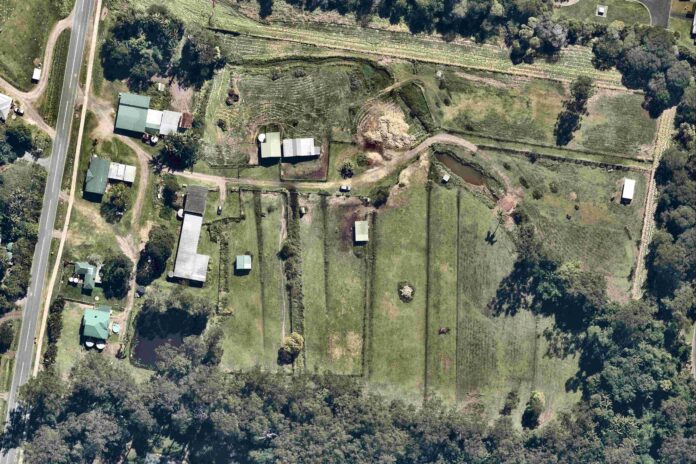
A multi-generation farming family says a sharp increase in land tax and a proposed rezoning under Sunshine Coast Council’s new planning scheme could jeopardise its future on the land.
Farleigh Farms manager Missy Duckworth said the family had been hit with a Queensland Revenue Office land tax bill approaching $40,000, in addition to council rates of about $20,000 a year, despite the Forest Glen property remaining zoned rural.
The combined increase of around $60,000 annually, she said, was financially unsustainable for a working farm that had been in her family since the 1960s.
“My dad bought his first block here in 1963 when he was 21 and built the family home,” Ms Duckworth said.
“It has never been anything other than rural land. We are not developers. We don’t want to sell. We want to keep farming.”
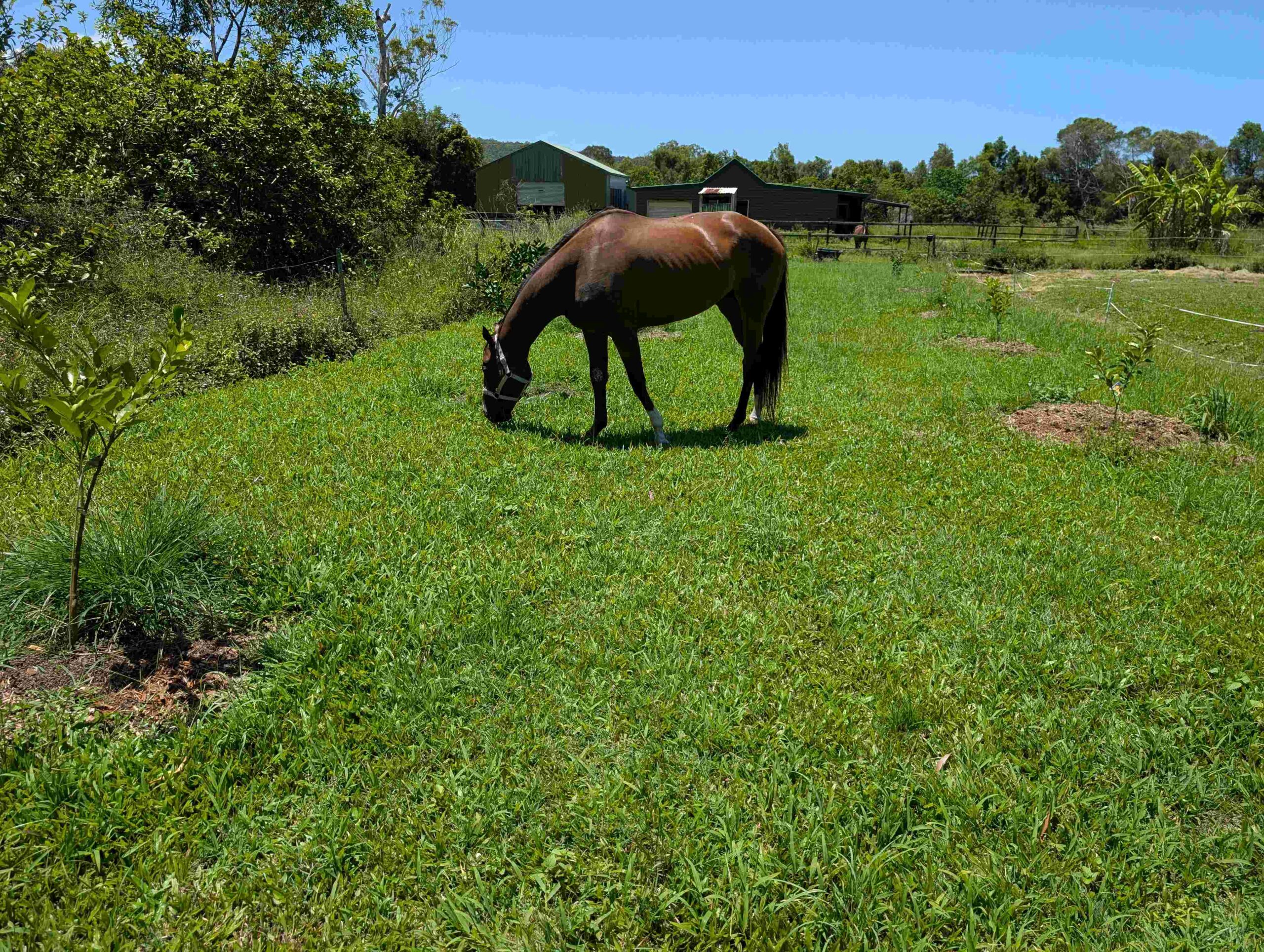
Farleigh Farms spans about 52 acres across both sides of Parsons Road, with flood-prone paddocks historically used for sugarcane and now for livestock. The farm currently pastures horses, sells composted manure to the public, and includes several dwellings occupied by family members and farm workers.
Ms Duckworth said the land tax increase followed a decision by the Queensland Valuer-General to remove the property’s primary production classification, which had previously exempted it from land tax.
“We were never notified that our classification was changing,” she said.
“We just received a land tax bill. There was no procedural fairness, no follow-up, no explanation.”
She said the family had lodged objections with both the Valuer-General and the Queensland Revenue Office and had engaged a solicitor, but was still waiting for formal responses.
Sunshine Coast News contacted the Queensland Revenue Office for comment, but it had not responded at the time of publication.
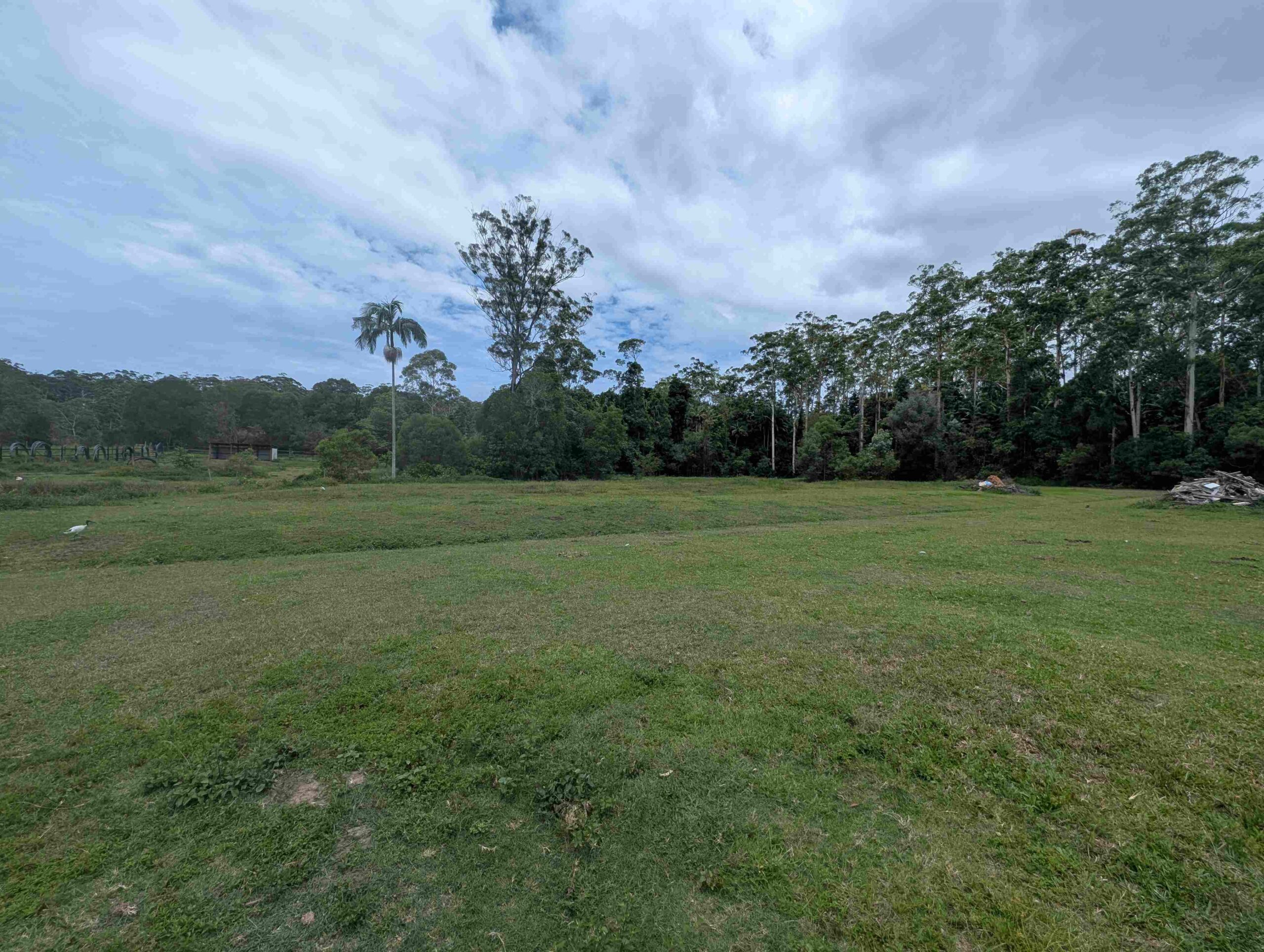
At the same time, Farleigh Farms faces the prospect of being rezoned from rural to low-density residential under Sunshine Coast Council’s proposed planning scheme, which is currently in post-consultation review.
A Sunshine Coast Council spokesperson told Sunshine Coast News that “Council will consider the issues raised and determine whether any changes to the proposed planning scheme are required in response to community feedback”.
“Once the review is complete, everyone who made a submission will be notified of the outcome and provided with a copy of the consultation report, which will summarise the feedback received and explain how council has responded to the issues raised.”
The spokesperson said final approval from the Queensland Government was required before the council could formally adopt the proposed planning scheme.
“As council is currently in the process of reviewing submissions, no further details can be provided at this time.”
Ms Duckworth said the proposed rezoning would restrict the farm’s ability to expand or diversify, including plans for a regenerative, pick-your-own orchard business called SilvoHarvest by Farleigh Farms, launched in partnership with Fruit Tree Cottage in 2025.
The partnership centres on regenerative farming and silvopasture, aiming to create an agritourism experience that opens the farm gate to the public while strengthening primary production in the region.
“When we officially open our farm to visitors, they will step into a living silvopasture system, where fruit trees, pasture and livestock operate together as a single ecosystem,” Ms Duckworth said.
“Through a hands-on pick-your-own experience, guests can harvest fruit from mature trees and purchase the same tree variety to grow at home – turning consumers into active participants in sustainable food production.”
She said the project was designed to demystify modern agriculture and regenerative farming, which she described as “not just a concept, but a practical, scalable solution that improves soil health, increases biodiversity and builds long-term farm resilience”.
“All of that is on hold because we don’t know what’s coming,” she said.
Do you have an opinion to share? Submit a Letter to the Editor at Sunshine Coast News via news@sunshinecoastnews.com.au. You must include your name and suburb.
Ms Duckworth said much of the land regularly floods, making it unsuitable for housing but ideal for grazing.
“This is floodplain. The road goes under in heavy rain. That’s why sugarcane was grown here for decades,” she said.
“We’re being pushed towards residential development on land that isn’t appropriate for it.”
The family has launched a Change.org petition calling for the land’s primary production status to be reinstated and for council to retain the rural zoning, arguing the current approach threatens the viability of long-established farms across the Sunshine Coast.
Ms Duckworth said the petition had attracted strong early support from the community, with signatories citing food security, flood risk and the preservation of rural character as key concerns.
She added that broader community support had been overwhelming, with many locals saying they valued the rural character of the area and the presence of horses and open paddocks.
“The only reason some people bought nearby was because of the farm outlook,” she said.
Ms Duckworth said the combined pressure of rezoning and land tax risked accelerating the loss of remaining farmland on the Sunshine Coast.
“It feels like we’re being pushed out,” she said.
“The state wants land for housing, but if we lose farms like this, we lose food security, education opportunities and part of the Sunshine Coast’s identity.”
The aerial imagery in this story is from Australian location intelligence company Nearmap. The company provides government organisations, architectural, construction and engineering firms, and other companies, with easy, instant access to high-resolution aerial imagery, city-scale 3D content, artificial intelligence data sets, and geospatial tools to assist with urban planning, monitoring and development projects in Australia, New Zealand and North America.