

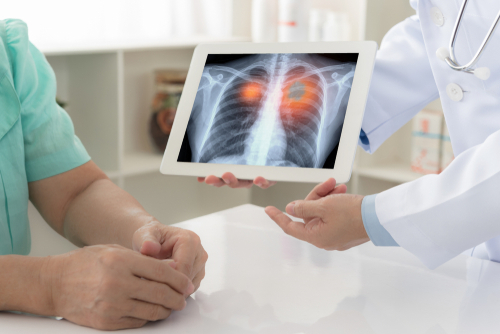
More than 5000 Australian smokers have been diagnosed with lung cancer since free screenings were introduced six months ago.
Since July 1, almost 50,000 Australians have enrolled in the National Lung Cancer Screening Program, which aims to improve health outcomes through early detection of the disease.
The federal government’s initiative offers low-dose CT scans to those aged 50 to 70 who smoke, or have a history of smoking, and don’t have any symptoms of lung cancer.
Ten per cent of participants were detected with stage two to four lung cancer, requiring more follow-up screening, Assistant Health Minister Rebecca White said.
About 560 people required immediate further investigation, as they were detected with stage four to five lung cancer.
“These were people who showed no signs of lung cancer,” Ms White said.
“Twenty-seven per cent of people survive up to five years after diagnosis, which is low compared to other more common types of cancer in Australia.”
The program is enhancing survivability through early intervention, Ms White said, adding it is also changing people’s habits.
Want more free local news? Follow Sunshine Coast News on Facebook, LinkedIn and Instagram, and sign up for our FREE daily news email.
Eleesa, a 60-year-old from regional Queensland, had been smoking since she was 14 and was diagnosed with early onset emphysema after her screening, which prompted her to quit.
Cancer Australia chief executive Professor Dorothy Keefe said the program was a major milestone in improving outcomes for lung cancer, which is the most common cause of cancer death.
“As one of the first countries in the world to implement a national lung cancer screening program, we are detecting lung cancer early and improving survival through culturally safe, accessible screening services,” Prof Keefe said.
More than $260 million has been invested in the program.



