

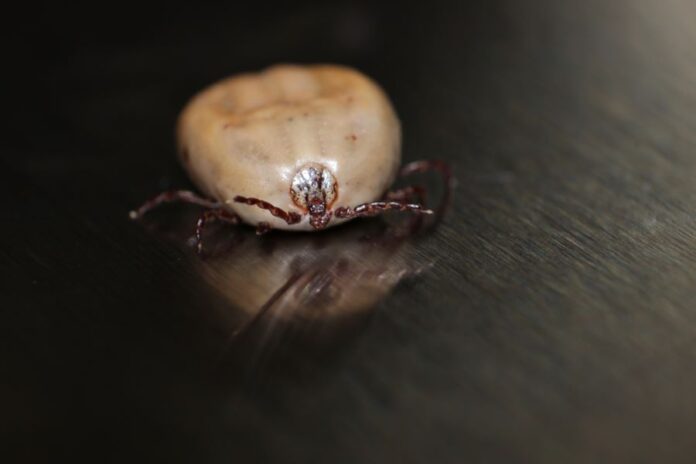
Sunshine Coast residents are being urged to brush up on tick safety this summer as warmer weather sparks a surge in tick bites, with hospitals already seeing a sharp rise in cases.
Sunshine Coast Health recorded 75 tick-bite presentations in November 2025, compared with just 10 in February 2025, as hot and humid conditions drive increased tick activity.
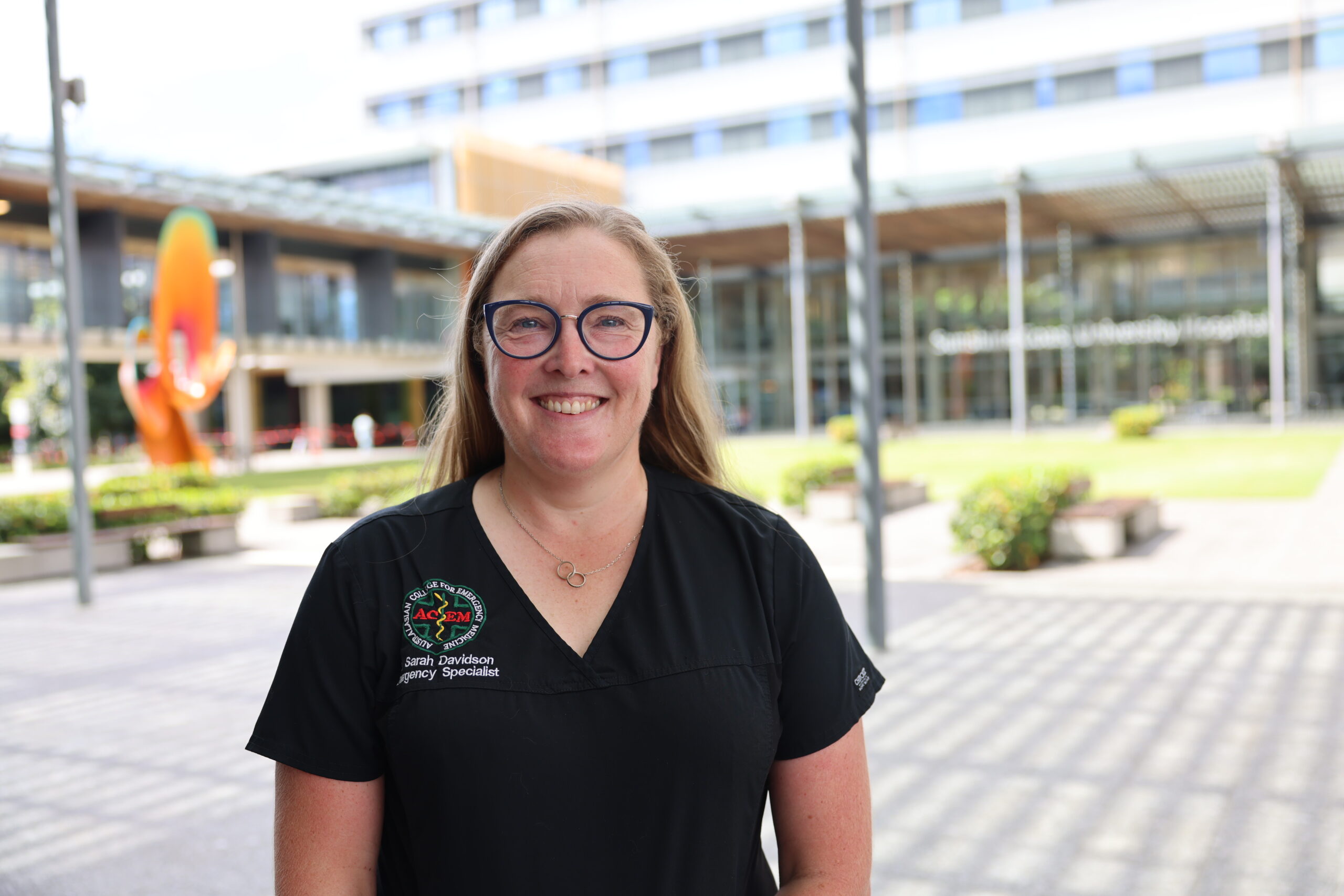
While there are three types of ticks in the area, the one people worry most about is paralysis ticks, emergency physician Dr Sarah Davidson said.
“Normally they come in because they don’t know how to get the ticks out, very, very rarely we get people come in who have had envenomation from a paralysis tick,” Dr Davidson said.
“I think most people can manage this at home, often it’s tourists so they’ve come up from a part of Australia or overseas where they’ve never seen these ticks before, and they get quite worried about it.”
Something to be mindful of, is tick-related anaphylaxis.
“We do live in an area where we have a very high rate comparatively to the rest of Australia for anaphylaxis to paralysis ticks, and that would just look like an allergy to anything else so some people would get hives and then if you’re having an anaphylaxis then that’s red skin, swollen tongue, feeling like you can’t breathe – call an ambulance immediately if that’s the case,” Dr Davidson said.
The correct method for safely removing a tick at home is to either freeze adult ticks with a spray that contains ether or apply a cream that contains permethrin to small ticks, wait 10 minutes for the tick to die, then carefully brush it off. These products can be purchased from a pharmacy.
“The number one thing you must not do with paralysis ticks is to keep touching them, every time you touch a paralysis tick it will envenomate you with some of its venom so once you’ve found one, leave it alone, work out how you’re going to take it out, and get it out,” Dr Davidson said.
“Often people come into emergency and say ‘I’ve taken the tick off, but I’ve still got the head in’, the head doesn’t really matter it’s just another little bit of debris – we get debris under our skin all the time – that’s just going to come out naturally, the part of the tick that is actually going to envenomate you, is that body.”
To prevent a tick bite, people should use an insect repellent containing picaridin or DEET, especially around their ankles, and wear light coloured clothing including long pants tucked into socks, a long-sleeved shirt, and a wide brimmed hat.
If you have been bitten by a tick and would like further advice you can call the Queensland Poisons Information Centre at 13 11 26 or call 000 for an ambulance in an emergency.



