
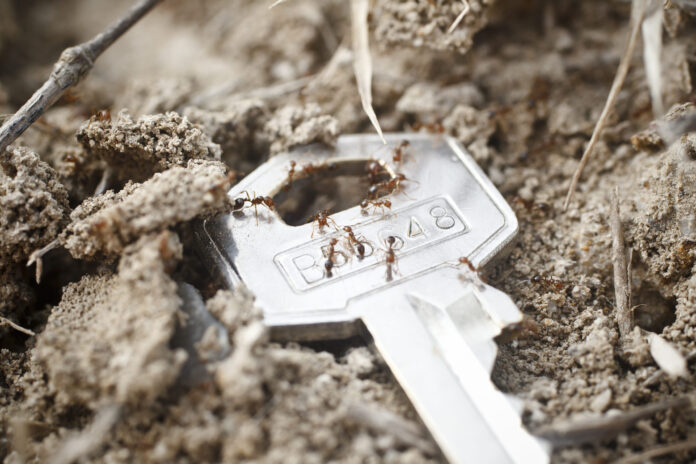
Australia is being warned it can’t afford to lose the battle against fire ants, as one of the world’s worst invasive pests affects agriculture, wildlife, tourism and even kids’ sport.
Queensland’s Primary Industries Minister Tony Perrett recently joined a group of regional mayors in Canberra to push for more funding to eradicate fire ants.
The delegation called for the federal government to match the state’s $24 million for suppression efforts, along with an extension of the national program that is funded until 2027.
The pest invasion was affecting agriculture, native wildlife, the health system, building codes, tourism, sport and families’ enjoyment of outdoor areas, the delegation warned.
“This pest is one of the most invasive pests in the world,” Mr Perrett told reporters at Parliament House in Canberra.
“It’s one that we can’t afford to lose the battle on.”
Work to eradicate fire ants, known for their painful and venomous stings to humans and animals, has long been centred in southeast Queensland.
There were detections at a WA port in 2019 and in NSW in 2023 and 2024, while a nest was discovered and treated with insecticide 17km north of the Queensland-NSW border in early November.
On the Sunshine Coast, a concerted campaign by the National Fire Ant Eradication Program is being made at Nirimba and Baringa, where fire ants have been detected twice.
Treatment will also be continued at Currimundi, Forest Glen, North Arm and Palmview, after detections last year and this year.
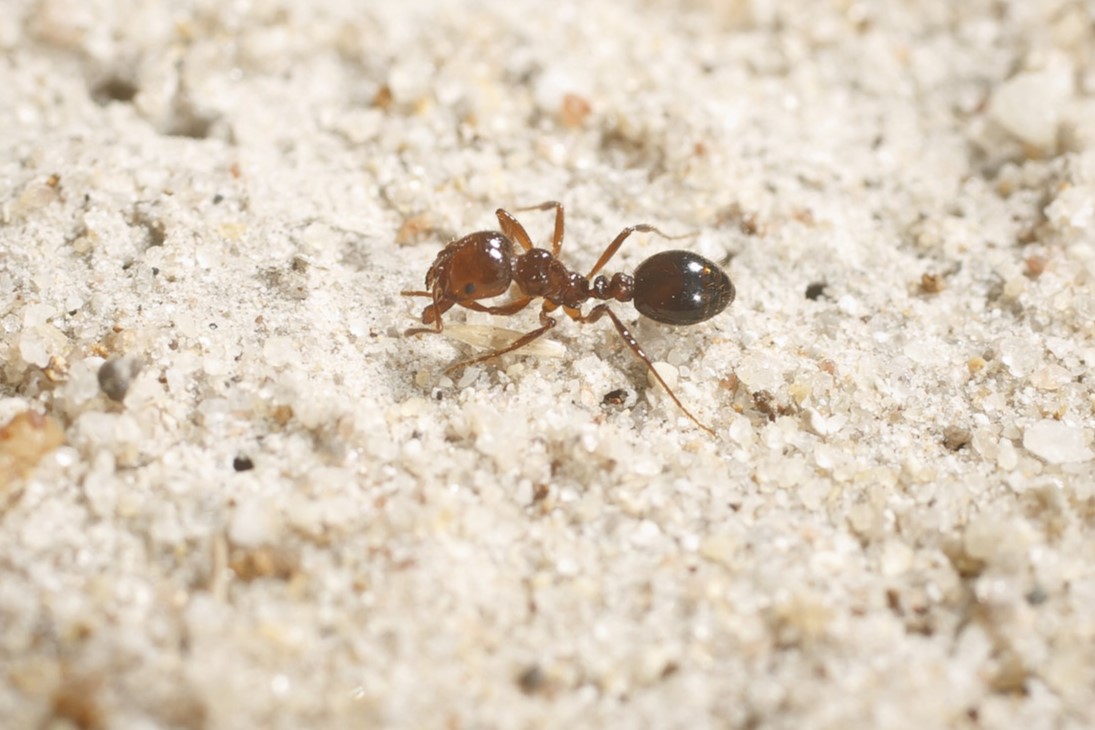
Fire ants travel in materials such as hay and soil, with restrictions on high-risk items from the southeast Queensland epicentre.
They are considered one of the worst invasive species to reach Australia, potentially causing more economic damage than cane toads, rabbits and feral cats combined.
The economic impact of fire ants could be $22 billion by the 2040s, meaning it would be less costly to spend up to $300 million each year for a decade to eradicate them, according to modelling by the Australia Institute.
The federal four-year plan, backed by state funding until 2027, is worth $592.8 million.
Agriculture Minister Julie Collins said the federal government’s share was a record spend.
“Eradicating fire ants is not an easy task – many countries have tried and failed, but we have been largely successful in containing their spread,” Ms Collins said, announcing the funding in 2024.
But Invasive Species Council’s advocacy director Reece Pianta warned fire ant nest densities had since grown in the Queensland suppression zones.
“It’s not just a problem for southeast Queensland or for a couple of local governments,” Mr Pianta told AAP.
“If it gets out of control it’ll be a problem for the entire country.”