
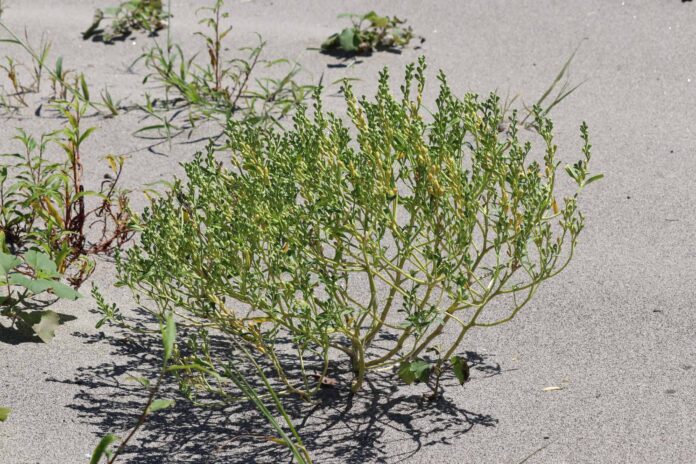
A conservation group has warned that a non-native plant will displace dune and foreshore vegetation that is vital to local wildlife if it goes unchecked.
The Noosa Integrated Catchment Association has held “urgent” working bees around the Noosa River in recent months, amid continued efforts to halt the spread of American sea rocket.
President Jill Campbell said the succulent was expanding across the country and posed a significant threat.
“American sea rocket is considered allelopathic, meaning it releases substances into its root zone that can stunt or deter the growth of other plants,” she said.
“This gives it a competitive advantage, helping it dominate new environments and displace native vegetation.
“This ability to suppress other species contributes to its invasive success. Sea rocket spreads by seed, carried via pedestrian and animal movement, wind and tides.”
Ms Campbell said the NICA, aided by community members, was “urgently” removing American sea rocket from the Noosa River system, including at Sand Island near the river mouth and at nearby sand spits.
“This area provides vital habitat for resident and migratory shorebirds that travel from Alaska and Siberia each year,” she said.
“Protecting this habitat is essential, with the migratory season running from October to early April.”
Want more free local news? Follow Sunshine Coast News on Facebook, LinkedIn and Instagram, and sign up for our FREE daily news email.
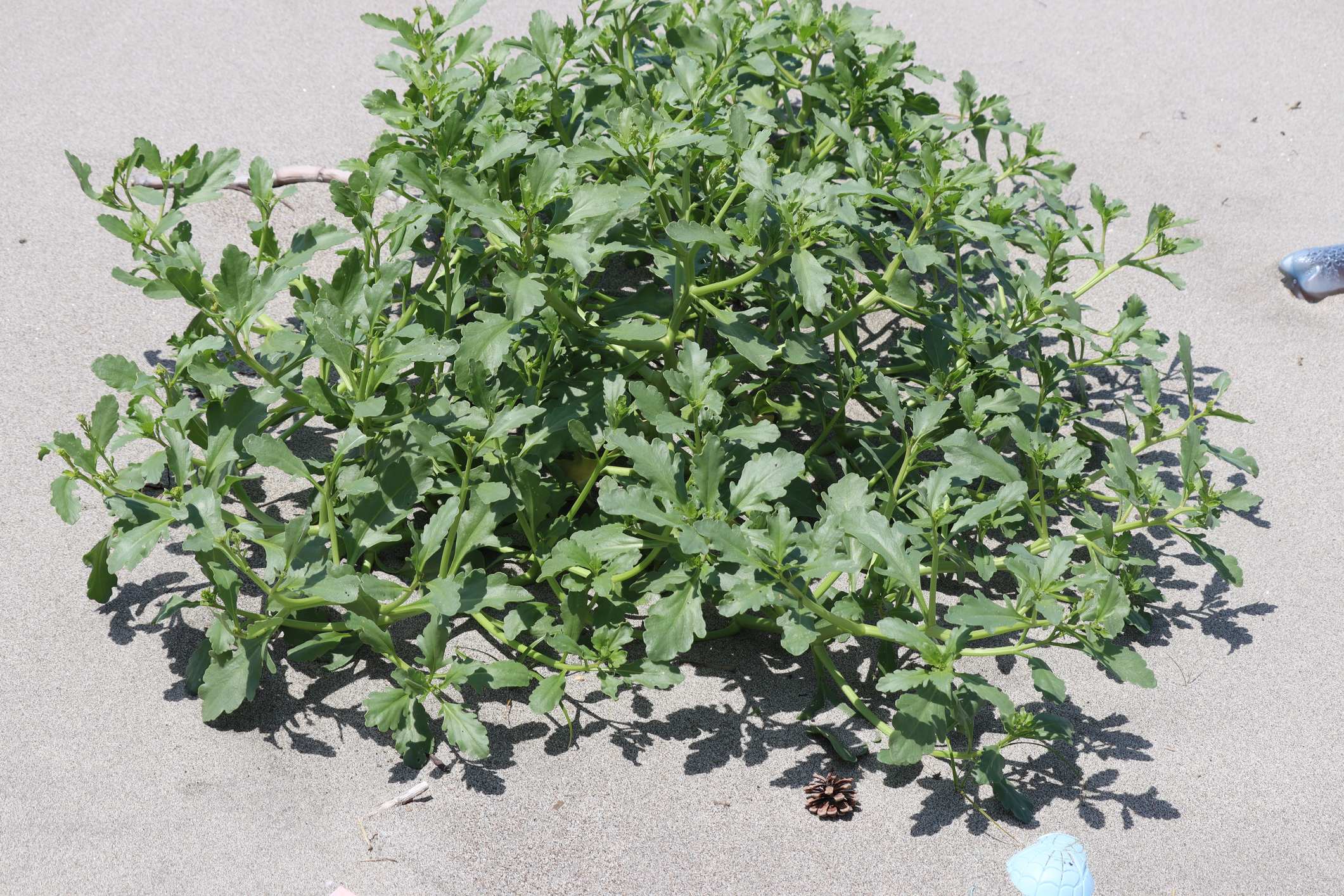
The plant, native to North America, is green, sometimes with purple-tinged leaves. It has smaller flowers than its European counterpart and cylindrical lower fruit segments.
Ms Campbell said the species was first noticed in the region about eight years ago, and conservationists have been removing it since.
She said concerned locals have worked hard to contain them.
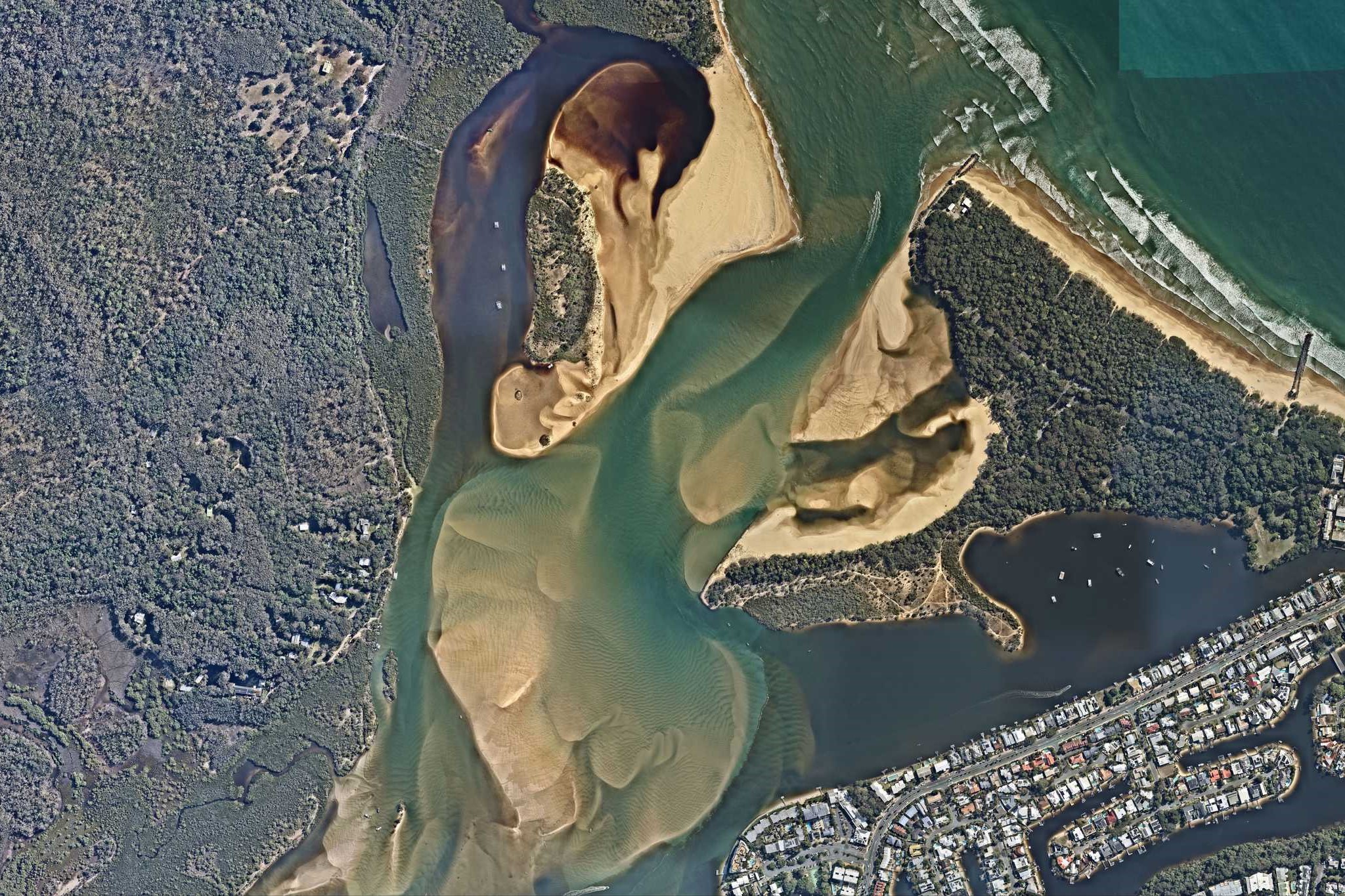
“Due to recent changes in the river, a new sand spit has formed connecting Sand Island with Northshore Head. This area had begun to be colonised by American sea rocket. Without intervention to remove the thousands of plants, many already seeding, the situation could have become dire,” she said.
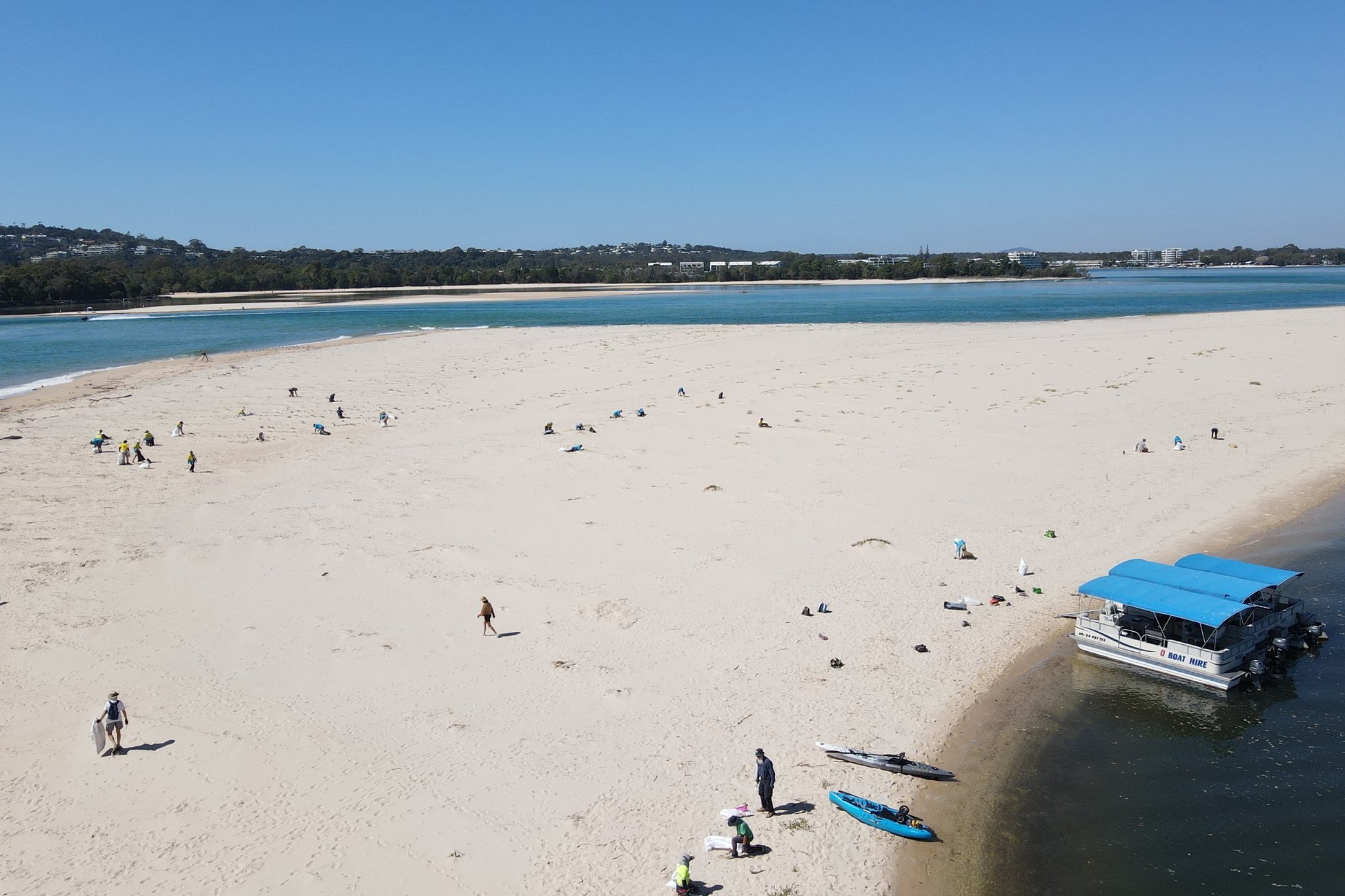
Ms Campbell said control methods included herbicide in calm conditions and manual removal.
“Small plants can be pulled out once surface tension around the stem is broken,” she said.
“(But) care must be taken to collect any dropped seed or leaves.
“Larger plants need to be dug out using a large spade or fork: a labour-intensive process.”
Ms Campbell said that many councils and state governments did not offer much help.
“(They) are limited in capacity, providing only grants or minimal assistance, meaning responsibility often falls back to volunteers,” she said.
“NICA is responding to this urgent need by calling on community assistance to help manage the infestation.”
Noosa Council and the Department of Primary Industries were approached for comment.
The former was yet to respond but has a web page with information about the “sprawling herb that grows to 80cm high”.
“Highly variable leaves, ranging from oval to spatula shaped and from 4cm to 7 cm long (and) small white, pink, or lavender four-petalled flowers,” it states.
“It is highly salt tolerant and is an emerging weed on Noosa foredunes and foredune swales.
“They quickly spread and can form dense infestations within a few years, reducing plant diversity and habitat value and may reduce recreational access to foreshores and beaches. It spreads by wind and water transported seed.”
It stated that the weeds can be treated by “hand pull or assisted pull with trowel, (and) foliar spray”.
The DPI referred Sunshine Coast News to Noosa Council.
Meanwhile, Sunshine Coast Council said that American sea rocket was not a significant threat in its area.
“It is not currently listed on the council’s priority invasive plants list, which is informed by the Biosecurity Act and includes locally significant invasive plants.”
The aerial imagery in this story is from Australian location intelligence company Nearmap. The company provides government organisations, architectural, construction and engineering firms, and other companies, with easy, instant access to high-resolution aerial imagery, city-scale 3D content, artificial intelligence data sets, and geospatial tools to assist with urban planning, monitoring and development projects in Australia, New Zealand and North America.