
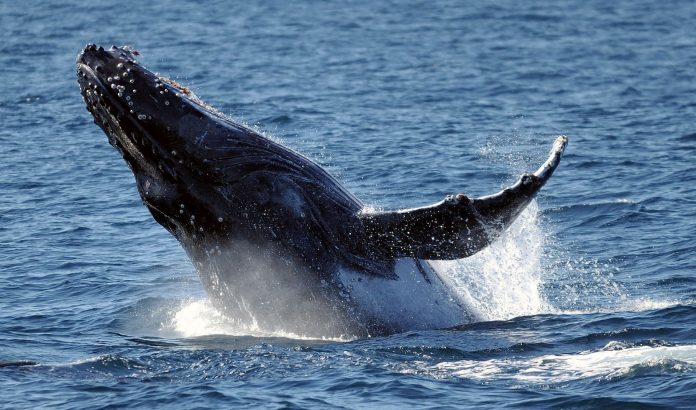
Whales are forced to pick through a maze of hazards on their annual voyages north, including shark nets and busy shipping routes, mapping suggests.
Whale-watching season is in full swing along Australia’s east and west coasts as the underwater giants make the long trek to warmer waters.
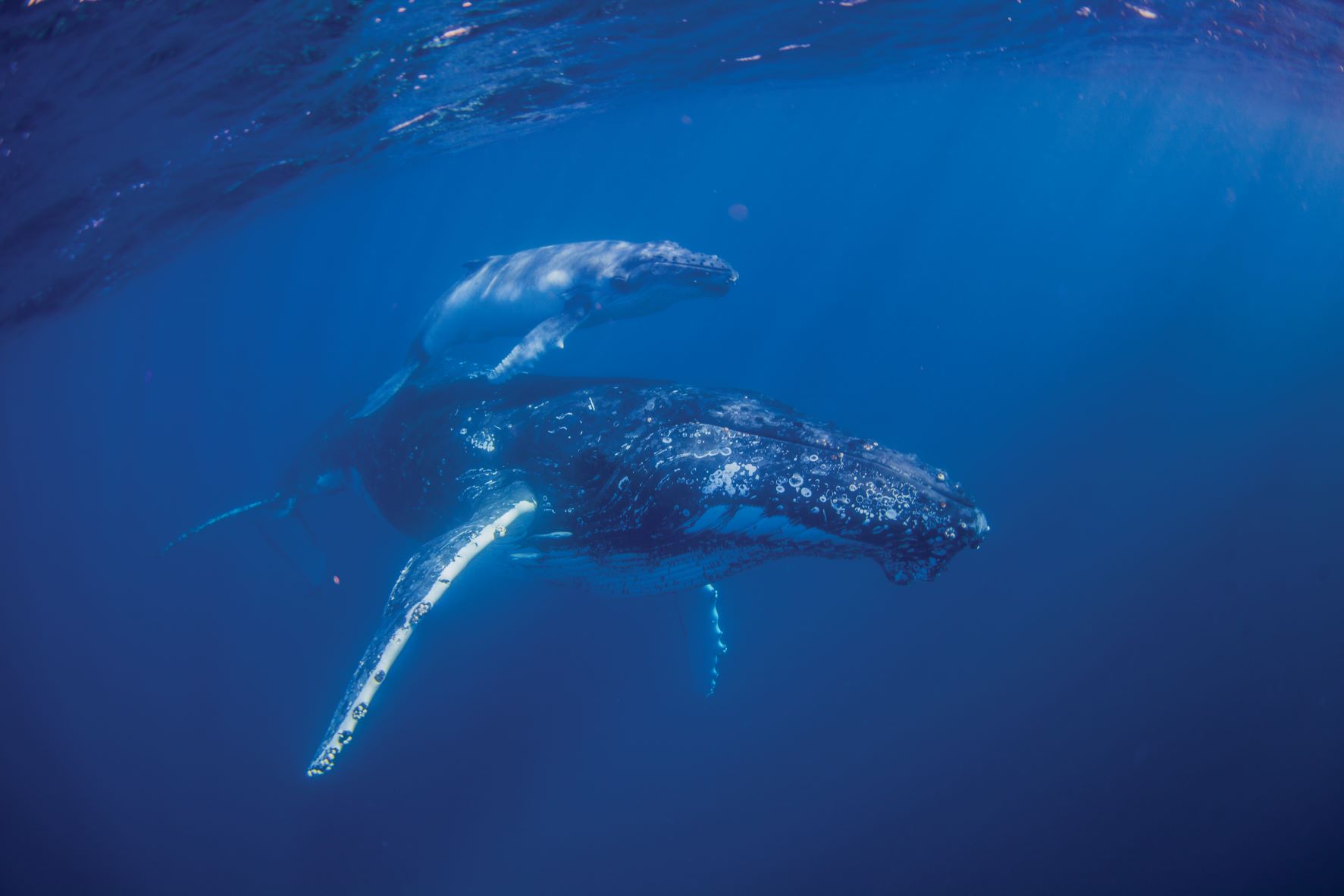
Humpbacks spend winter breeding in warm tropical waters before returning to southern Antarctica during summer to feed.
Yet world-first interactive maps from the World Wide Fund for Nature (WWF) and more than 50 global research groups reveal a “dangerous and sometimes fatal obstacle course” for whales migrating through Australian waters.
The publicly available maps overlay whale migration routes with shipping, fishing, climate and other information to better understand whale journeys.
Related story: Watch rare whale encounter at marina entrance
Global lead of the fund’s protecting whales and dolphins initiative, Chris Johnson, said ship strikes, fishing gear, underwater noise, plastic pollution and climate change all posed hazards for the giant marine mammals.
“Ship strikes, entanglement in fishing gear and shark nets are a growing concern on Australia’s east coast, especially during humpback whale migration season,” Mr Johnson said.
The geographic information could help inform speed restrictions and vessel re-routing to minimise collisions, he said.
A better understanding of whale migration patterns could also help the design of no-take zones and marine parks protected from fishing.
“This platform transforms decades of science into a tool for action – showing when, where and how to protect whales in a rapidly changing ocean,” Mr Johnson said.
The maps were released ahead of a major United Nations ocean conference in France, with greater protections for critical marine habitats top of the agenda.
Securing the 60 country ratifications needed to lock in the all-important high seas biodiversity agreement would lay the foundation to safeguard 30 per cent of the world’s oceans in marine sanctuaries by 2030.
High temperatures and marine heatwaves are also influencing whale migration cues, with sightings on NSW’s far south coast as early as March thought to have been linked to climatic changes in the Antarctic depleting food stocks.
Krill, the tiny crustaceans baleen whales feed on, have been declining in some regions as their sea ice habitats shrink.
Mr Johnson said patchy prey availability was potentially behind shifting migration patterns but there were still many unknowns and more research was needed.
Healthy whale populations support the well-being of the entire ocean, with whales found to fertilise oceans and help boost phytoplankton production, which captures carbon dioxide and generates oxygen.
“Thriving and healthy whale populations benefit nature and people,” Mr Johnson said.