
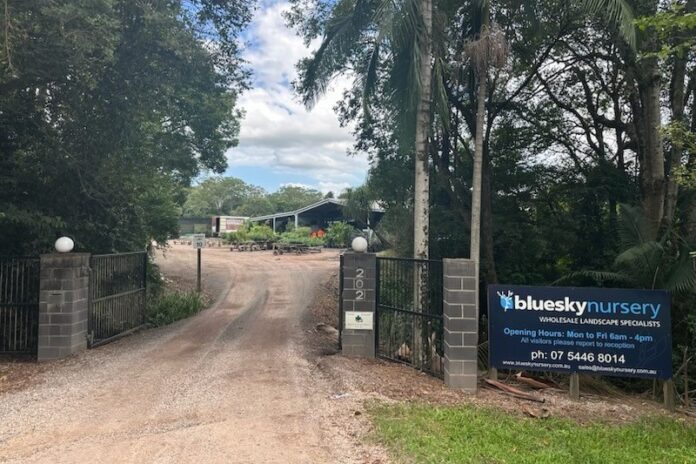
A wholesale nursery in a biosecurity zone surrounding the Sunshine Coast’s most recent fire ant discoveries expects to spend hundreds of thousands of dollars to meet compliance requirements.
Simon Smith, general manager of Blue Sky Nursery, North Arm, said it was likely to cost the business $350,000 to $500,000 in the first year, including equipment, to chemically treat plants so they could be sent off-site.
The nursery is one of a number of garden centres within the fire ant biosecurity zone, which extends for a 5km radius from where fire ants were discovered at a building site last month.
Nursery Growers Industry of Queensland CEO Colin Fruk said scores, and potentially hundreds, of businesses could be affected by heightened biosecurity regulations within the zone.
“There are several NGIQ members within the identified zone. Many more of our members from around the state trade with businesses now inside the declared zone at North Arm,” he said.
“If you define nurseries as production (wholesale) nurseries, retail nurseries and home-based growers (recreational growers who sell online or in markets, for example), there are scores of businesses – potentially hundreds – who are now subject to the heightened biosecurity regulations.”
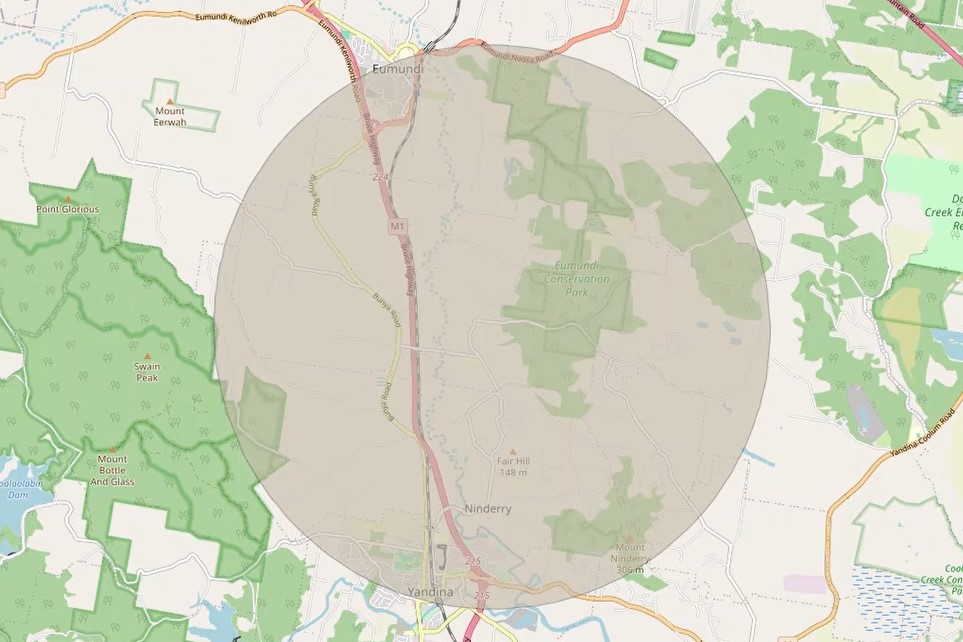
Mr Fruk said growers in the zone would have to either keep their plants off the ground and undercover, and conduct visual inspections for fire ants, or treat their growing media with an approved chemical, usually bifenthrin.
Mr Smith said all of Blue Sky’s plants would have to be dosed with bifenthrin before they could be delivered to retailers.
The chemical, in granular form, could be mixed with soil when potting but plants already potted would have to be sprayed, he said.
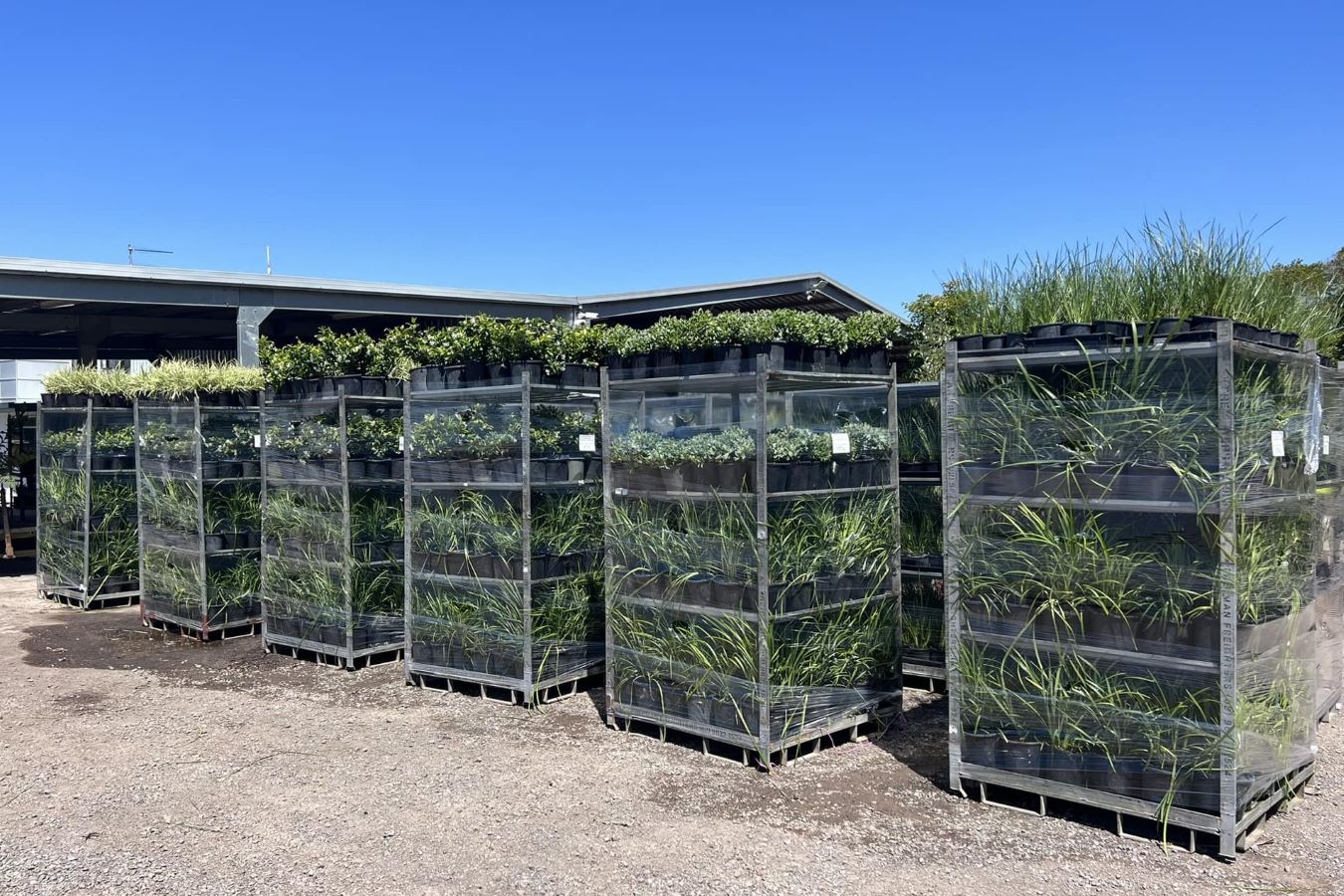
“We’ve got hundreds of thousands of plants here. We’re going to have to drench everything that goes out off the site every day,” he said.
“That’s five to eight truckloads of plants every day.”
Mr Smith said staff were concerned about using a harsh chemical, bifenthrin would likely decimate the insect population the nursery used for biological pest control, and there was no government support towards the added cost.
The nursery moved to using bifenthrin two weeks ago to overcome restrictions on the movement of plant and plant products into NSW so that it could continue to supply its customers there.
Mr Smith said nobody wanted the ants to spread but it would be fairer to have a system of self-checks and inspections rather than impose excessive costs on businesses which, like Blue Sky, did not have fire ants.
Mr Fruk said the biosecurity requirements could be a “major and potentially existential risk to businesses and the livelihoods of their workers”.
“Ultimately, customers will pay more for the plants they buy, as the industry has to factor in the increased costs into pricing,” he said.
Kieran Studders, owner of Big Leaf Wholesale Nurseries, Eerwah Vale, said the business was “happy to comply with the recommendations of Biosecurity Queensland Department of Primary Industries”.
“We certainly don’t want any further spreading of this pest,” he said.
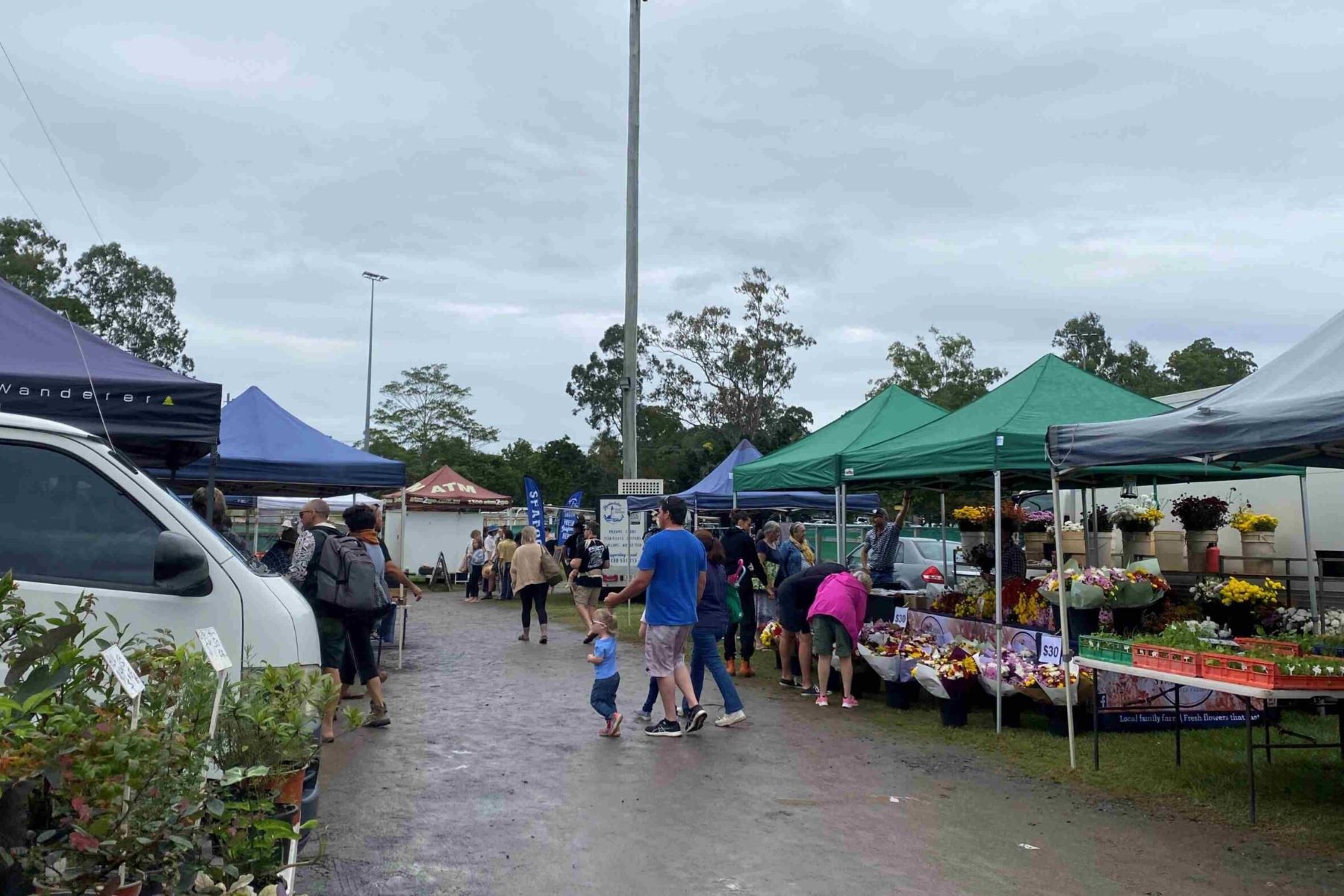
The biosecurity zone also includes the Yandina Country Markets, known among gardeners for its bargain plant stalls.
The Nambour Yandina United Soccer Club, which runs the markets, is yet to receive any official advice on biosecurity arrangements.
Market regular Andy Olive, of Andy’s Wholesale Plants, which is based outside the zone, said the biosecurity requirements would not affect stallholders like him, as only plants on the ground in the zone for more than 24 hours needed to be chemically treated.
“The good news is that it won’t affect anything for the local people because the plants aren’t staying on the ground for more than 24 hours,” he said.