
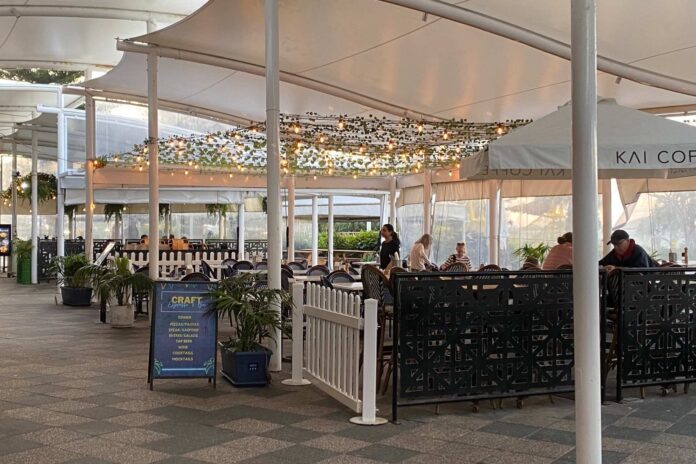
Hospitality businesses face an uncertain future, with predictions that as many as 20 per cent could falter in the next 12 months.
Branding expert and business author Allan Bonsall gave the grim forecast after being involved in research that reviewed more than 9000 pieces of material relating to coffee and cafes.
“We’re talking about probably 20 per cent of hospitality businesses being tipped to fail in the next 12 months and that, to me, is a pretty scary situation,” Mr Bonsall said.
This is the first part of a Sunshine Coast News series on the local hospitality industry and its future. Stay tuned for part two in coming days.
He said businesses cited government rules and regulations as a major problem, but it was not their only concern.
“What we discovered was that their problems were related to bureaucratic red tape – everybody was saying that there was more and more red tape to deal with,” he said.
However, Mr Bonsall said many hospitality business owners did not have the skills to build a business, especially when negotiating red tape, and when the cost of living was affecting spending.
“So many of these small businesses are being established by people in their 50s with very few management skills, very few cooking skills,” he said.
“They were setting up a business because they were bored doing what they were doing or they needed a job, or they were looking to retire and didn’t want to be 9 to 5. God help them with what they were getting into at a cafe.
“But very few of the people have the skills to grow a business.
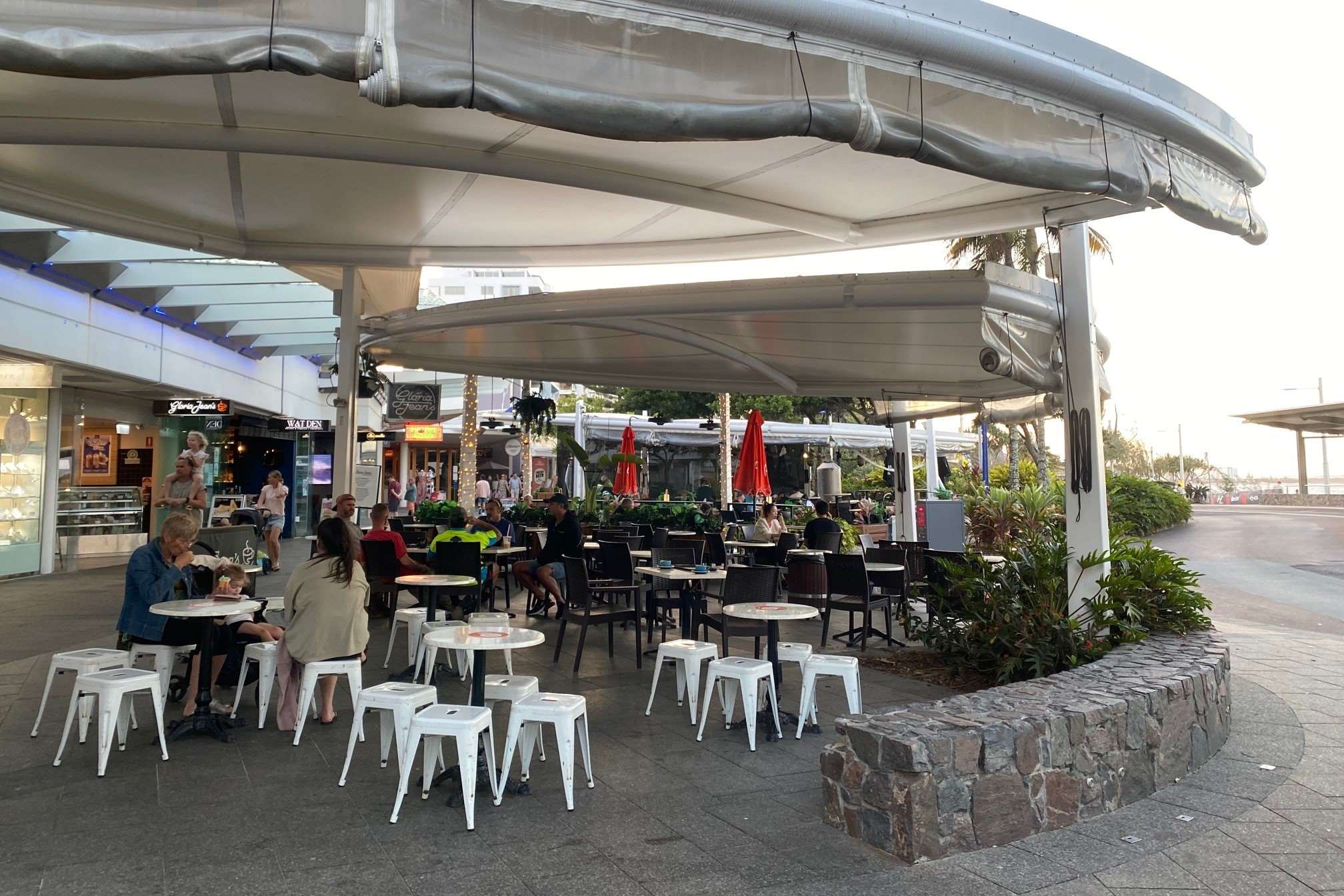
“They go on, hoping they’ll survive, and suddenly they realise that the customers aren’t there.
“And then coinciding with that you’ve got the cost-of-living economic crisis. That’s presented deeper challenges.”
Mr Bonsall said the view within industry circles was not optimistic.
“Everybody around the table is saying the same thing. We’re going to see a lot more closures before we see an upturn,” he said.
Credit reporting agency CreditorWatch has made a slightly less gloomy forecast for hospitality rate failures to rise from 7.5 per cent to 9.1 per cent as conditions for consumers and businesses continue to deteriorate.
“Hospitality has a significantly higher failure rate forecast than other industries, primarily because of its heavy reliance on discretionary spending, which has dried up as consumers tighten their belts to cover increases in mortgage payments, rents, power bills and other essentials,” CreditorWatch said in its July Business Risk Index report.
Mr Bonsall said the fall of many cafes would hurt given the size of the hospitality industry and its importance as an employer in regions such as the Sunshine Coast and Noosa.
“There’s something like 5000 cafes in Queensland and half of them are in the south-east corner. I don’t know how many of them are on the Sunshine Coast and in Noosa,” he said.
Figures from the Office of Liquor and Gaming Regulation, which issues liquor licences, indicate that 6.2 per cent of licences for cafes and restaurants on the Sunshine Coast and Noosa were not renewed last financial year, compared to 5.5 per cent non-renewals the year before.
However, the number of cafe and restaurant liquor licences renewed remained fairly static at 625 compared to 626 the year before, indicating about as many new venues entering the scene as there have been closing doors.
Help keep independent and fair Sunshine Coast news coming by subscribing to our FREE daily news feed. All it requires is your email at the bottom of this article.