
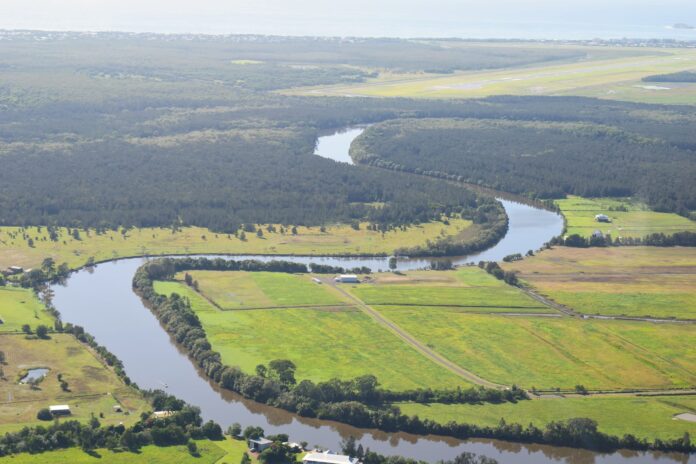
New life is flowing in with tidal waters on the banks of the Maroochy River, as part of a groundbreaking blue carbon trial.
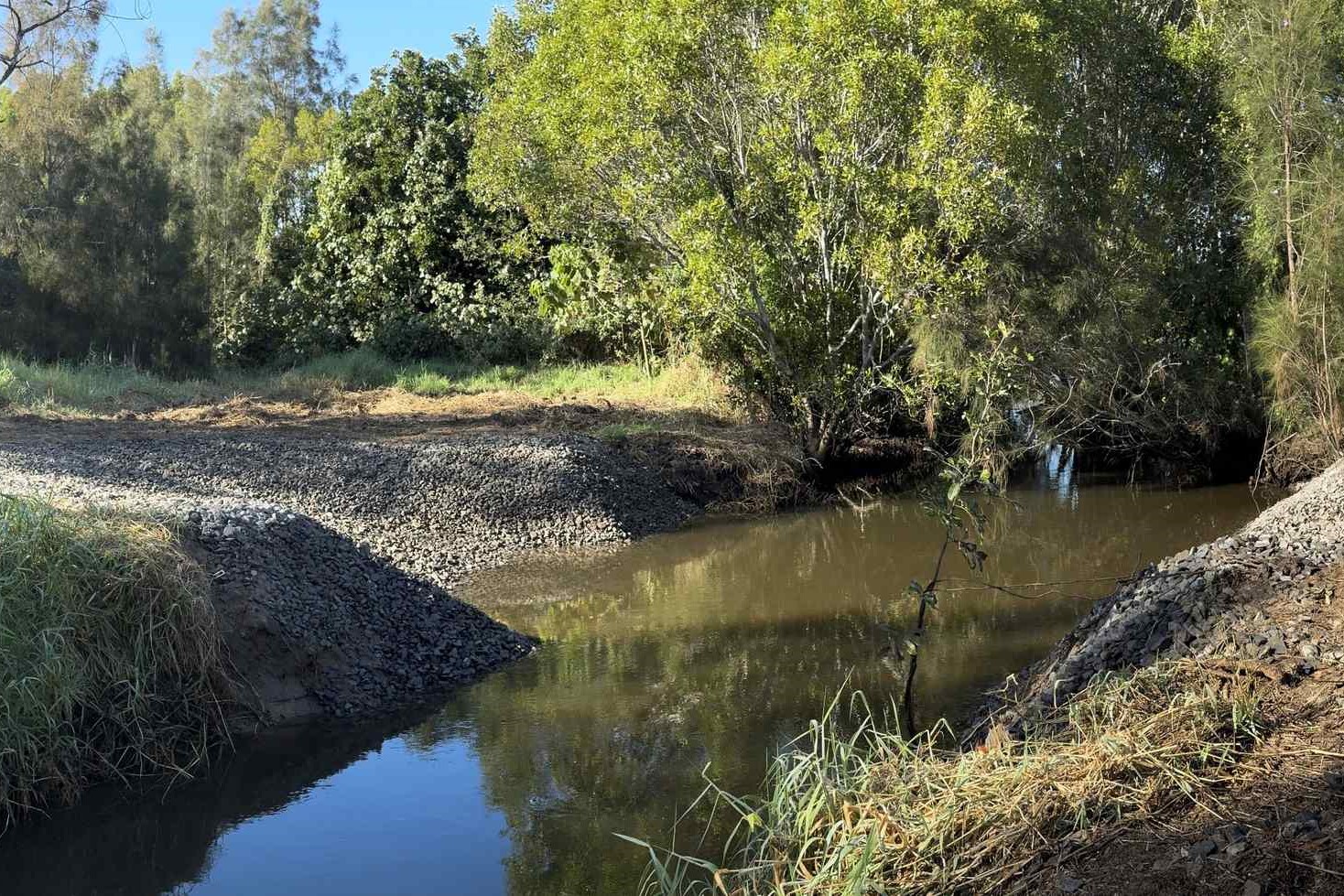
The first stage of works is complete at the Sunshine Coast Council-owned River Road site, allowing tidal waters onto the land as part of the Blue Carbon Farming Trial, in the Blue Heart Sunshine Coast project area.
It comes after the federal government’s Clean Energy Regulator formally registered the blue carbon project in the Blue Heart, on the lower Maroochy River floodplain.
It is the first blue carbon project registered by the regulator in Australia.
The trial is expected to bring benefits including contributing to a healthier Maroochy River with improved water quality and more fish breeding areas; increased opportunities for community recreation and places to connect with nature; preserving flood storage to help protect other public and private assets; habitat to support our precious biodiversity, including endangered species; potential future income streams for Blue Heart landholders; and offsetting greenhouse gas emissions as council works toward its target to become a net-zero organisation by 2041.
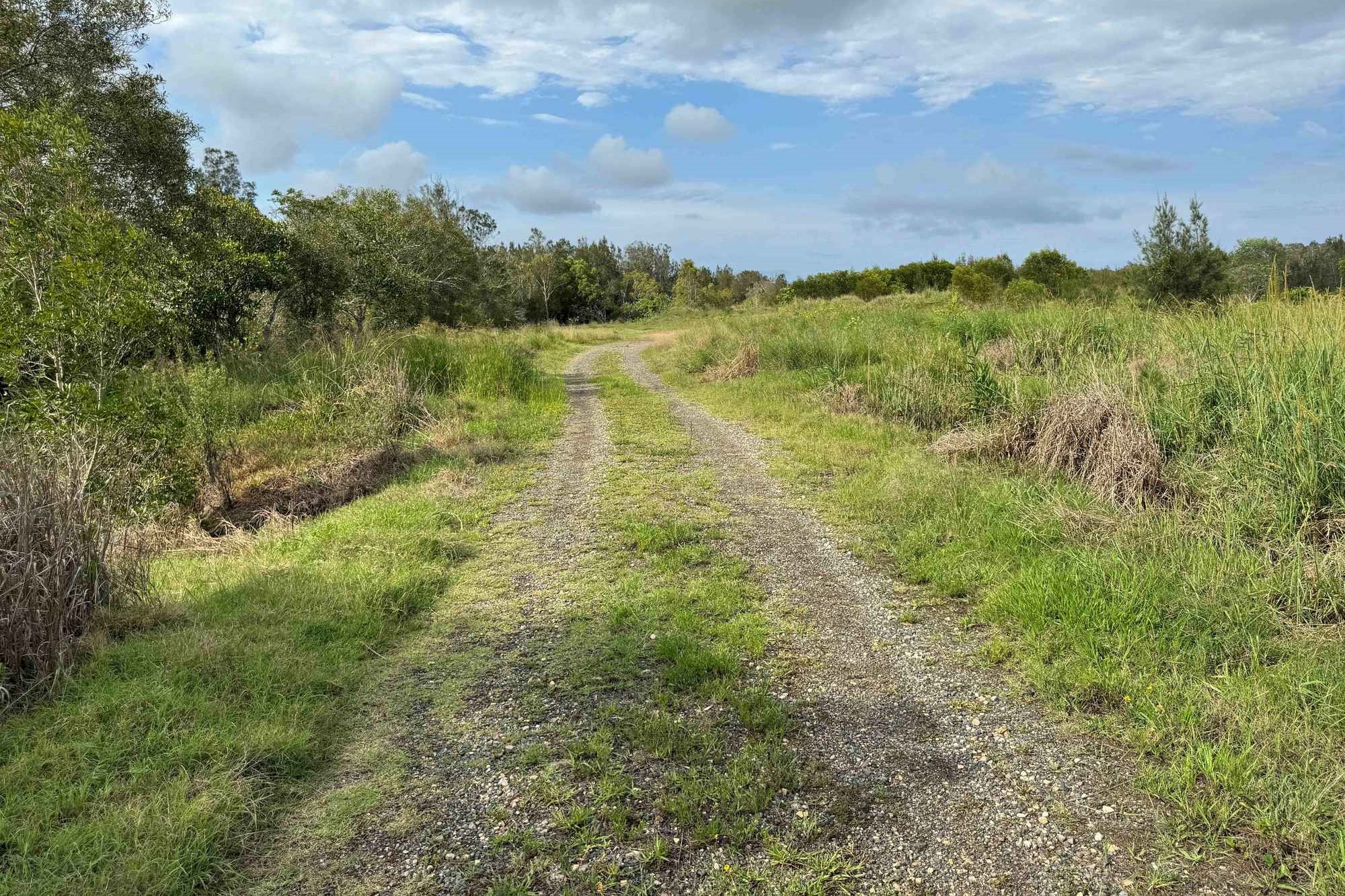
Contractors first completed preparatory works for improved vehicle access, erosion and sediment control measures and acid sulphate soil management.
Machinery had to be brought to the site on a barge along the Maroochy River, due to limited access for heavy vehicles over land.
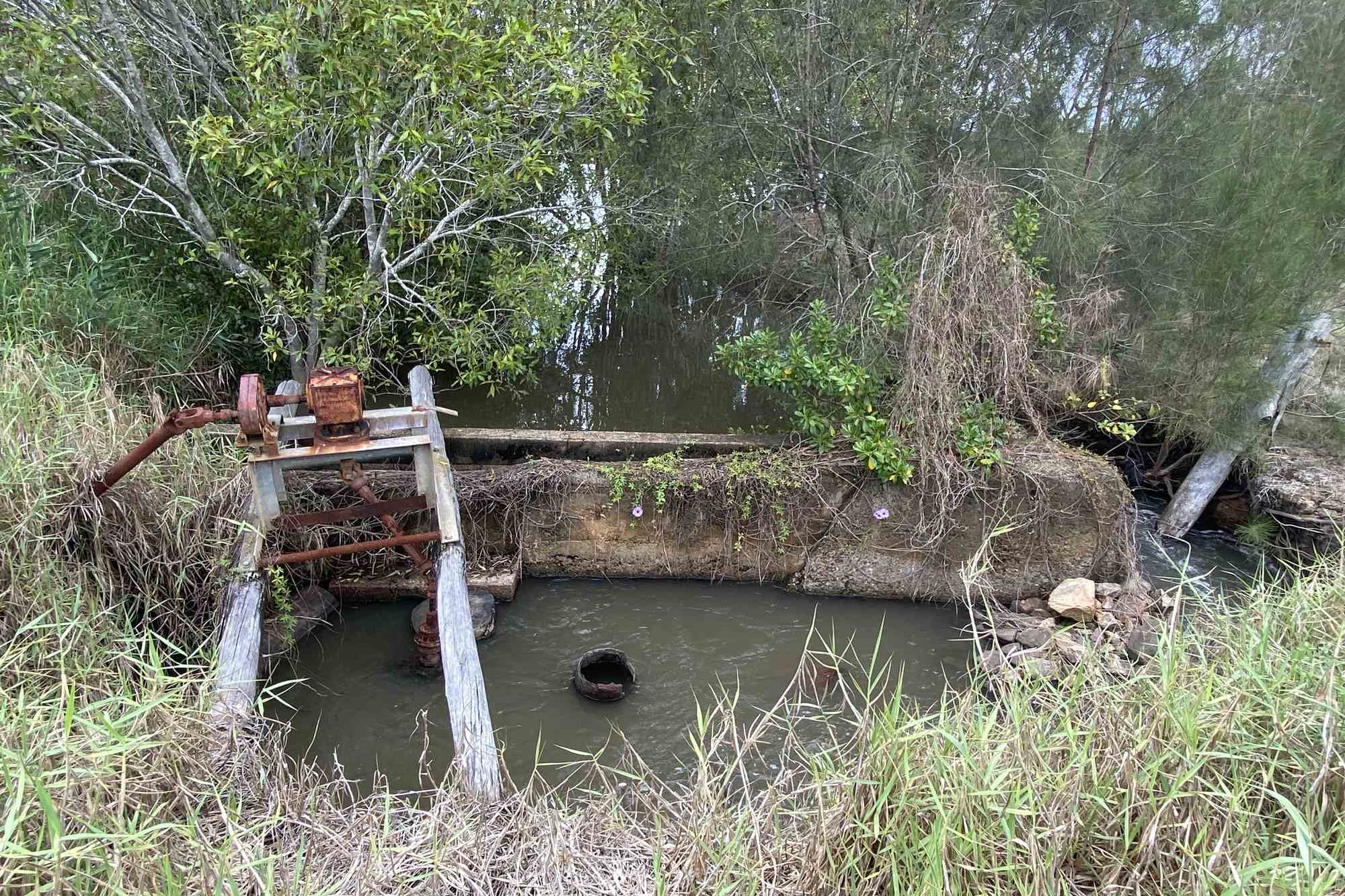
Finally, two tidal structures originally installed in the early 1900s to drain the land for agriculture were removed.
These structures were already in poor condition and had not been working as intended for many years.
Sunshine Coast councillor Maria Suarez said that as the tide rose and waters flowed onto the land, there were already signs of the gradual changes ahead for the site.
“Within 20 minutes, fish were moving in to explore, followed by seeds of two different mangrove species,” Cr Suarez said.
“This land on the banks of the lower Maroochy River will transition to an estuarine wetland ecosystem over the coming years with little additional intervention.
“In doing so, the project delivers multiple wins for the environment and our communities, while contributing to all the Blue Heart project objectives.”
Blue Heart Sunshine Coast is a partnership-based project committed to sustainable and adaptive floodplain management in the Maroochy River catchment.
The Blue Heart objectives are to protect the most critical areas of the floodplain; establish wetland and floodplain ecosystems; improve water quality in the Maroochy River; provide community and recreation opportunities and investigate and support new uses for the surrounding rural and agricultural lands, including economic opportunities for landowners.
The majority of the Blue Heart project area is privately owned, with land uses including cane farming, cattle grazing and rural lifestyle.
Cr Suarez said the tidal structures had served an important role for the former cane land.
“Cane farming and other agriculture helped build and sustain our communities, and this part of our region is rich with history,” she said.
“For some, cane crops have become increasingly unviable in the years since the 2003 closure of the Moreton Sugar Mill in Nambour.
“Through this Blue Carbon Farming Trial, we can explore a path forward that may offer an alternate income for Blue Heart landholders in the future.”
Cr Suarez said the trial provided a valuable learning experience on many levels.
“By proactively adapting to increasing tidal inundation associated with sea level rise, we can better monitor changes on public land, while delivering benefits for the environment, community recreation and economic opportunities for landholders,” she said.
The Blue Heart project area’s First Nations Traditional Custodians, the Kabi Kabi peoples, have provided advice, training and assistance in the project.
Kabi Kabi peoples were present to witness the rewetting of the land and safeguard First Nations cultural heritage on the site.
Council officers are inspecting the site daily and testing water quality twice weekly, in line with permit requirements.
Allowing tidal waters onto the site is not expected to impact private properties, as confirmed by hydrological modelling peer-reviewed by the CSIRO.
Council has received approvals, including Queensland Government approvals to remove tidal structures.
Operations on the Blue Carbon Farming Trial’s second site, near Yandina-Coolum Road, are scheduled to begin in the coming weeks.
Blue carbon is carbon stored in marine and coastal ecosystems, such as seagrasses, tidal marshes and mangroves.
Rehabilitating and protecting marine and coastal ecosystems on registered sites by following approved methods generates carbon credits called Australian Carbon Credit Units.
These units are a tradable financial product that can be sold to government or private entities to help meet emission reduction commitments.
Do you have an opinion to share? Submit a Letter to the Editor at Sunshine Coast News via news@sunshinecoastnews.com.au. You must include your name and suburb.