Three University of the Sunshine Coast researchers will take their unusual investigations to the next level, after securing almost $1 million in funding.
Dr Alexandra Campbell, Dr Trong Tran and Dr Shaodong Guo received a share of the funds in the latest round of the Advance Queensland Industry Research Fellowships program.
The fellowships support researchers partnering with industry to complete original research that will have a positive impact on Queensland.
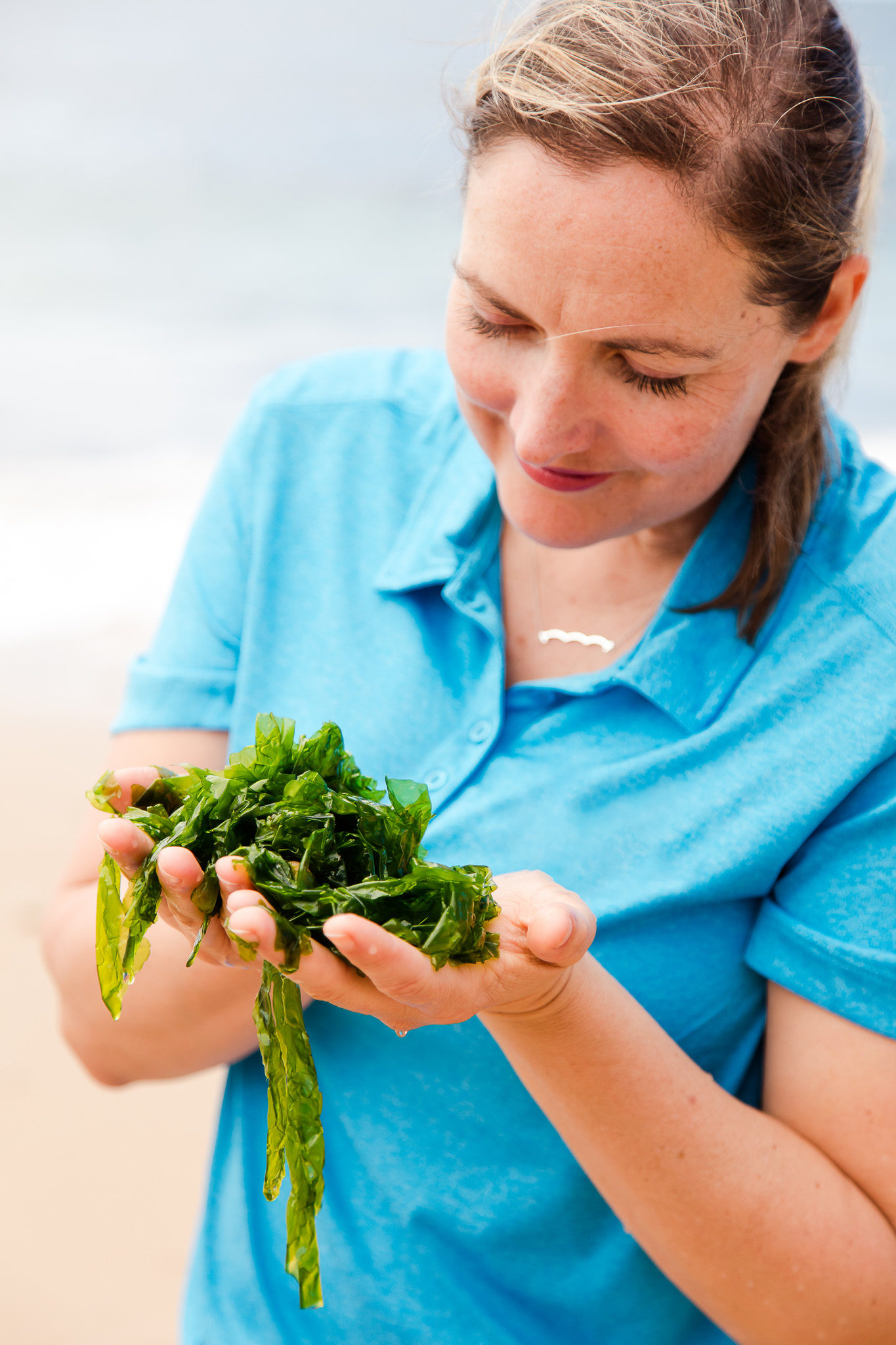
Marine ecologist Dr Campbell has secured $360,000 towards research on golden kelp forests, a project that will investigate ways to better understand and restore South-East Queensland’s remaining underwater seaweed forests.
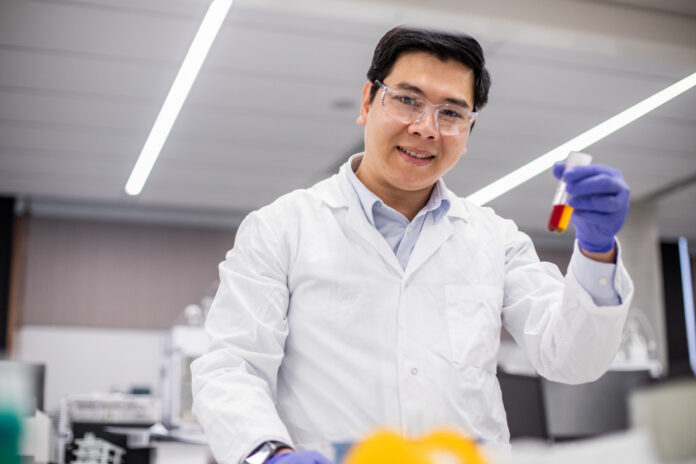
Chemistry academic Dr Tran has received $360,000 to help unlock the potential of stingless bee propolis for a sustainable future.
His project will expand on research by UniSC’s Centre for Bioinnovation that identified for the first time 16 types of Australian high-grade propolis, or ‘bee glue’ produced by honeybees, brimming with enough antioxidants and other chemical properties to spark a new national industry for food and health products.
Postdoctoral research fellow Dr Guo has been awarded $240,000 towards creating eco-friendly insecticides from spider venom for locust pest control.
Dr Campbell said her research could be significant.
“Just like forests on the land, underwater forests created by seaweeds are crucial, because they provide food and shelter to thousands of marine animals,” she said.
“Unfortunately, there is an alarming, global trend of declines and disappearances of underwater seaweed forests, including golden kelp in Australia, which is predicted to decline by at least 75 per cent in the next 75 years.
“Golden kelp is Australia’s most important seaweed because it creates underwater forests all the way around the lower half of our continent – from reefs near here, just off Mulgumpin (Moreton Island), all the way around to similar latitudes in Western Australia, near Kalbarri.
“For restoration to be successful at an ecologically relevant scale, it needs to move from being a research activity to a business activity.
Do you have an opinion to share? Submit a Letter to the Editor at Sunshine Coast News via news@sunshinecoastnews.com.au. You must include your name and suburb.
“With industry partner the Sea World Foundation, I will develop a restoration framework for golden kelp, which will compare several kelp restoration methods in terms of their scalability, success and suitability for the involvement of citizen scientists, which industries will be able to incorporate into business plans assessing kelp restoration as a business activity.
“We will also develop and deploy a range of educational materials for display at the Sea World theme park on the Gold Coast, about Golden Kelp, its importance, the threats it faces and our mission to rescue it.
“We’ll test the effectiveness of different types of displays on inspiring citizen scientists to volunteer or donate to the project.”
Help us deliver more news by registering for our FREE daily news feed. All it requires is your name and email at the bottom of this article.