
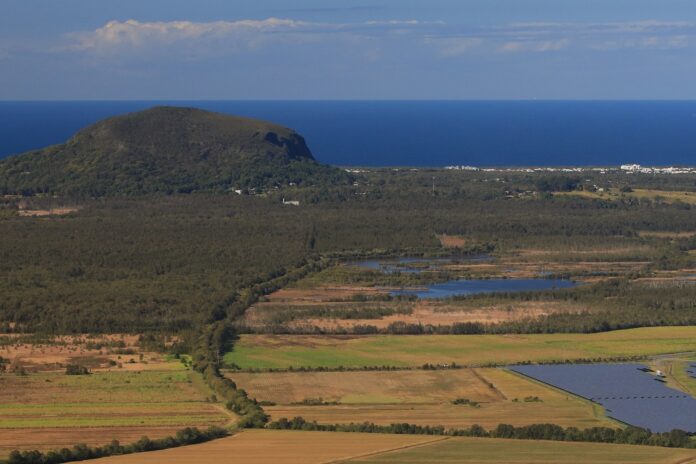
An Australian-first blue carbon project is set to put the Sunshine Coast at the forefront of an emerging industry.
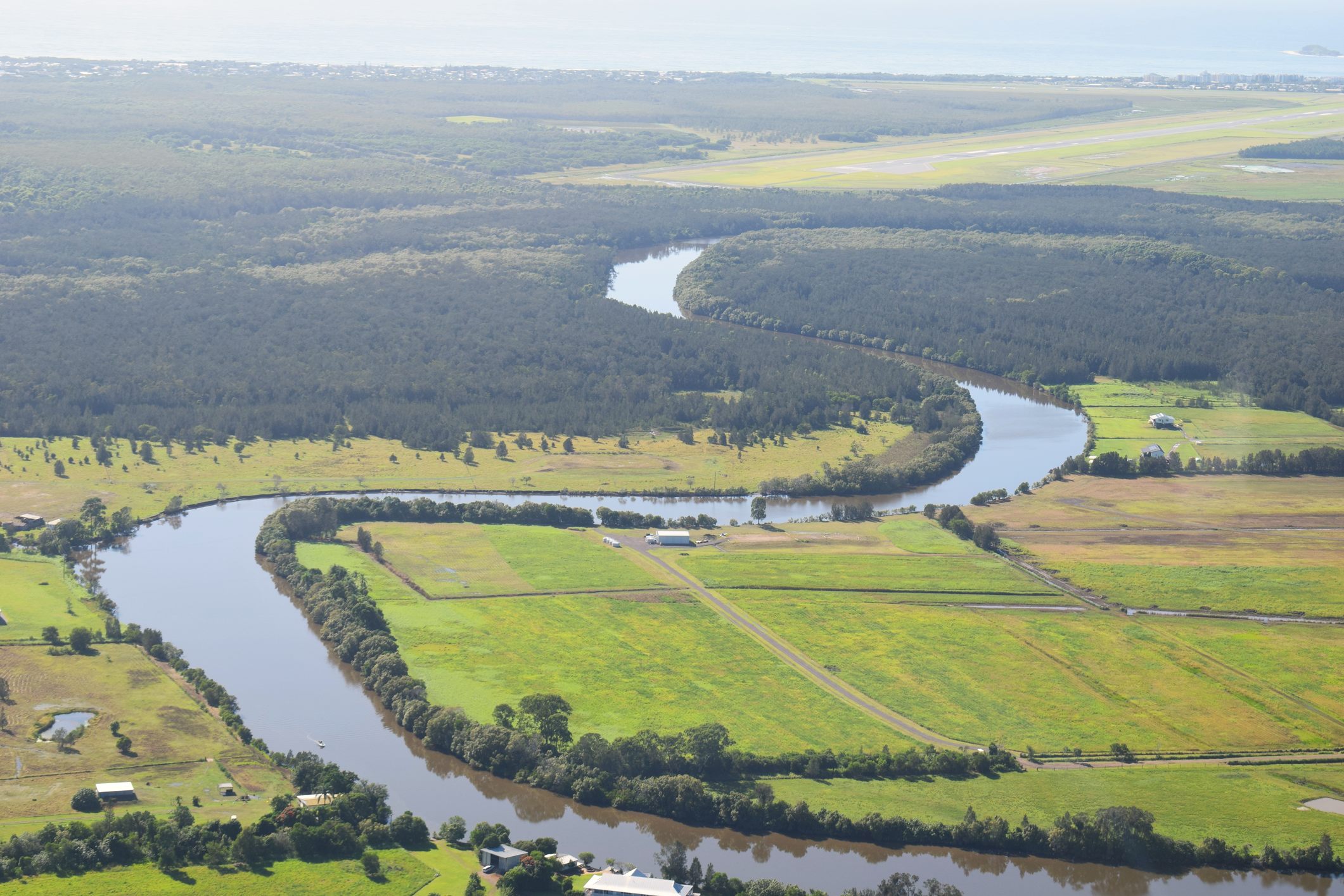
The federal government’s Clean Energy Regulator has formally registered the nation’s first blue carbon project on the lower Maroochy River floodplain, after a rigorous research and application process.
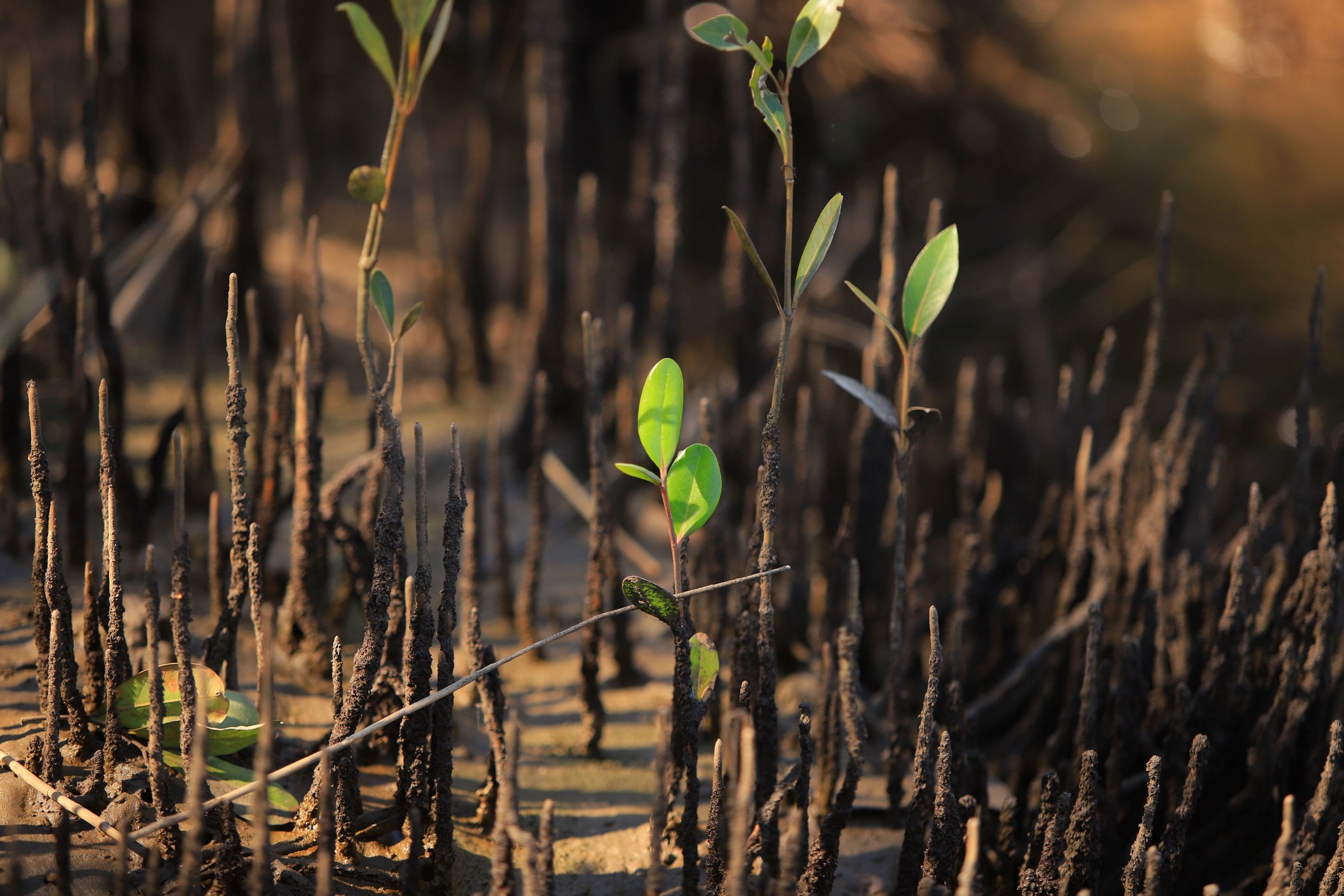
Blue carbon is carbon stored in marine and coastal ecosystems, including seagrasses, tidal marshes and mangroves.
Rehabilitating and protecting these ecosystems on registered sites generates Australian carbon credit units, which can be sold to government or private entities to help meet emission reduction commitments.
Carbon captured in the trial can also offset Sunshine Coast Council’s emissions, progressing its target to be a net-zero organisation by 2041.
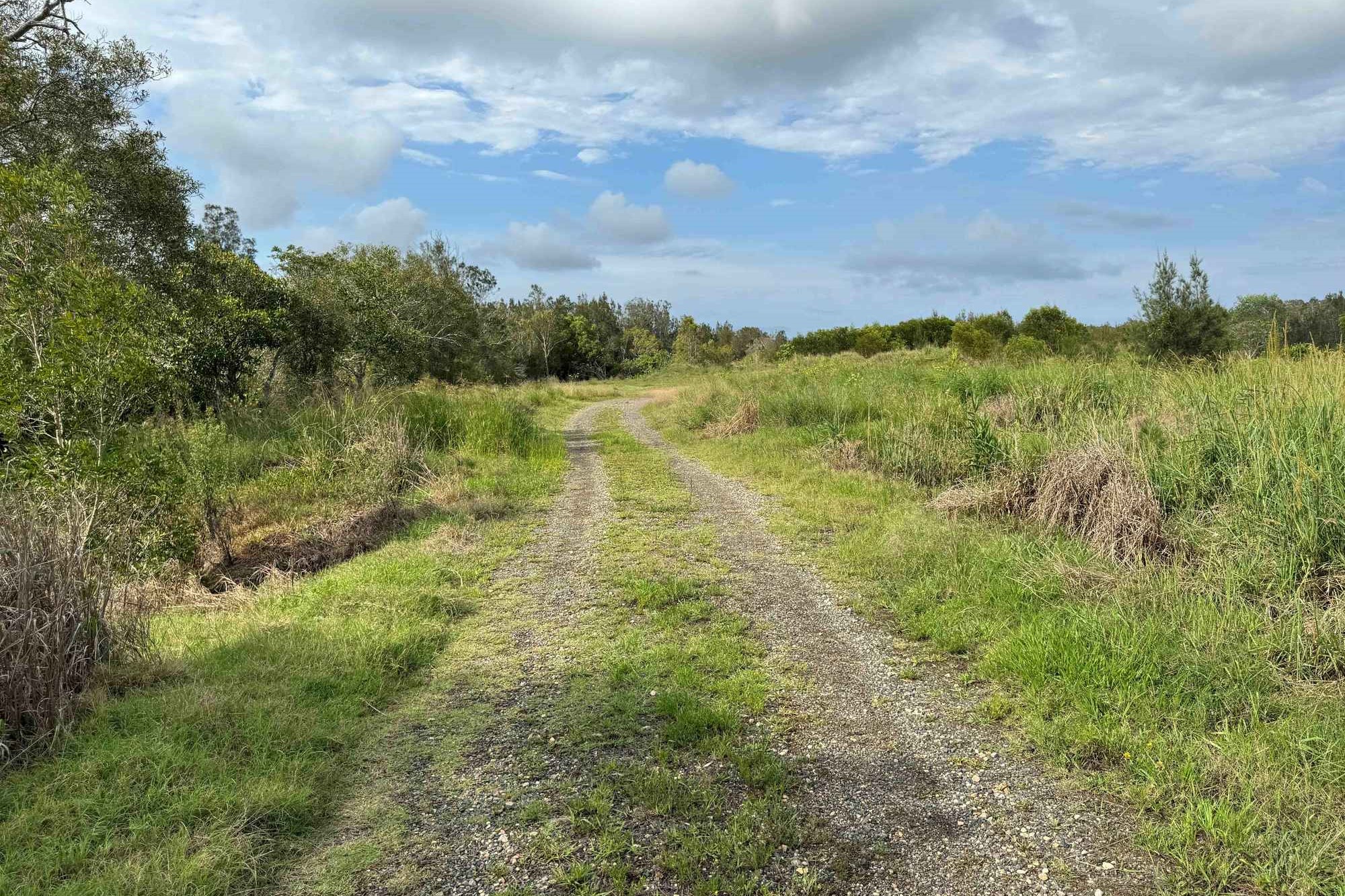
Council will restore estuarine wetland ecosystems by introducing tidal waters onto two council-owned sites (six land parcels totalling 165ha) in the Blue Heart, which is a floodplain management area in the Maroochy River catchment.
Mayor Rosanna Natoli said the project would pioneer the future of blue carbon nationally.
“This puts our region at the forefront of an emerging industry, and by generating our carbon credits locally we can enjoy the positive impacts,” she said.
“This means a healthier Maroochy River with more fish breeding grounds, stronger biodiversity, protected flood storage, opportunities for our Traditional Custodians to care for Country, more tourism opportunities and places for our community to explore and experience nature.”
Councillor Maria Suarez said council would share learnings on the economic viability of blue carbon farming with other Blue Heart landholders interested in investigating the opportunity for their own properties.
“Cane farming has been a mainstay in the Blue Heart for generations, but with challenging market conditions farmers need new ways to generate income,” she said.
“The Blue Carbon Pilot Project is about nurturing opportunities for our landholders, for our local economy, for our community and for our environment, all contributing to a sustainable Sunshine Coast.”
Member for Nicklin Rob Skelton said the state government was proud to partner with council and Unitywater on the innovative project.
“The Maroochy River floodplain is a critical flood storage area which is already experiencing the impacts of tidal inundation as a result of climate change,” he said.
“This project is leading the way in demonstrating how blue carbon can deliver multiple benefits to coastal communities, including generating alternative income, protecting vital habitat and threatened species, enhancing water quality and providing for cultural and recreational uses.”
Blue Heart Sunshine Coast is a project committed to sustainable and adaptive floodplain management in the Maroochy River catchment.
The majority of the project area is privately owned with land uses including cane farming, cattle grazing and rural lifestyle.
Allowing tidal waters onto public lands in the Blue Carbon Pilot Project will not impact nearby private properties, as confirmed by a detailed hydrological report independently reviewed by the CSIRO.
The Blue Carbon Pilot Project received $2.036 million in funding from the Australian government to deliver blue carbon ecosystem rehabilitation on public land.
The Queensland government’s Land Restoration Fund also contributed $360,000 in funding to support research at the blue carbon project sites, with researchers from four different universities partnering with council to monitor and understand environmental, social and economic changes and benefits.
Blue Heart partners include council, state government’s Department of Environment, Science and Innovation and Unitywater.
The two blue carbon farming trial sites adjoin state protected areas, council environment reserves and Unitywater’s Yandina Creek Wetland.
Unitywater chief executive officer Anna Jackson said she was pleased to see council restoring more areas to expand on outcomes already achieved.
“By re-establishing the Yandina Creek Wetland environment through careful water management, we have been able to return vital plants and micro-organisms to the region which remove nutrients like nitrogen and phosphorous from our waterways,” she said.
“Thanks to these plants and micro-organisms, we have been able to remove an estimated 5.3 tonnes of total nitrogen and 0.5 tonnes of phosphorous from our waterways per year.
“Beyond the environmental benefit, we are saving our community millions of dollars over a 25-year period by making the most of these natural processes to go beyond compliance into environmental stewardship.”