
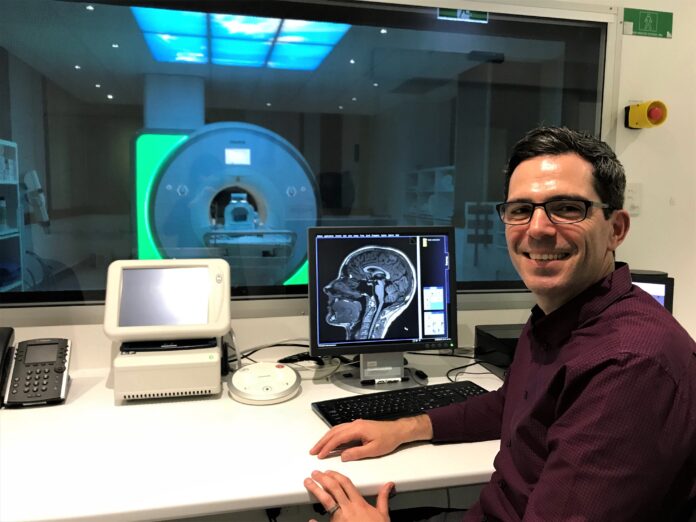
New research from a “world-first” study has helped to unlock how to alleviate two conditions that children can suffer from.
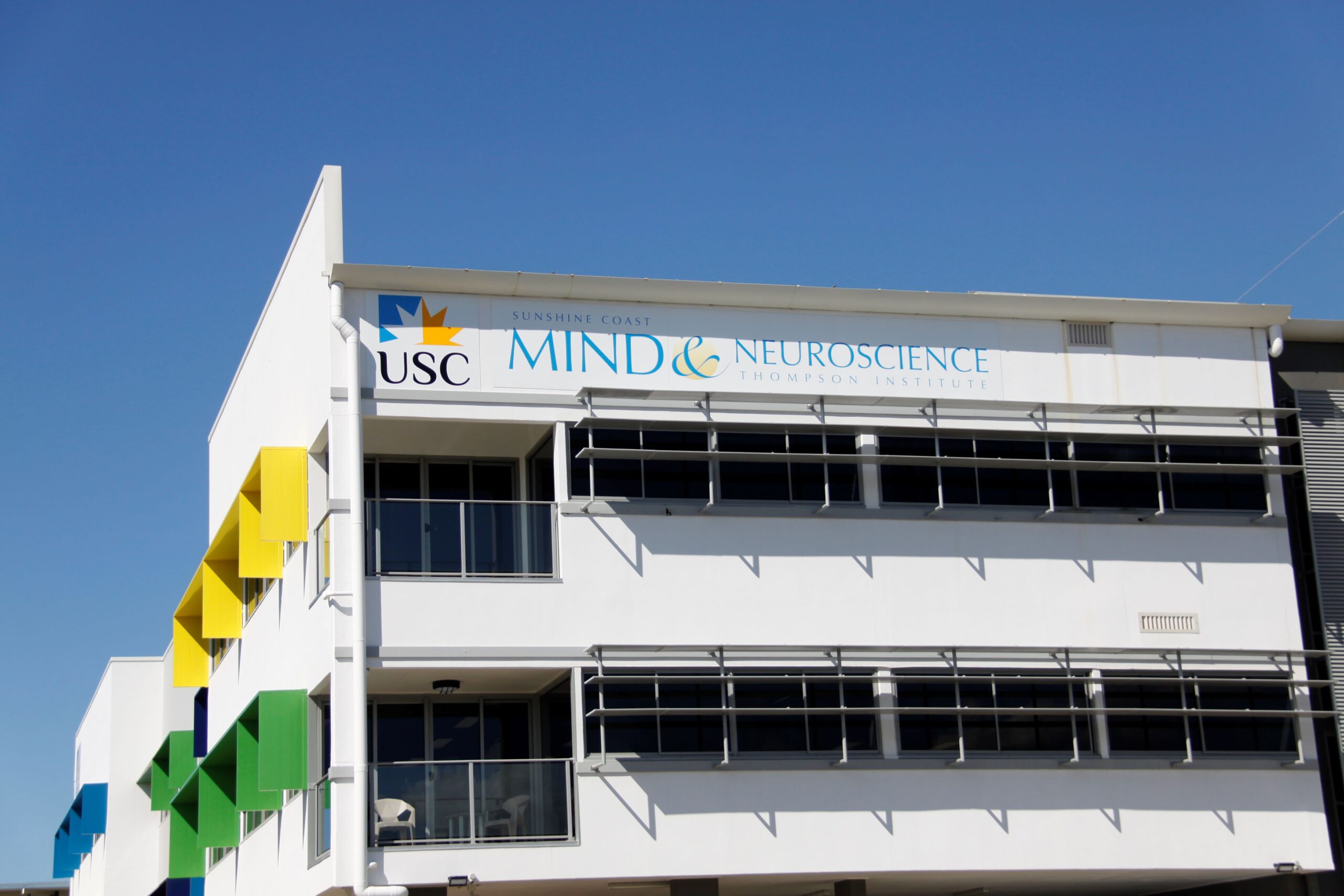
MRI scans have shown that practising mindfulness can help rewire the brain connectivity of pre-teens with anxiety and attention issues, in new University of the Sunshine Coast Thompson Institute research.
In encouraging results for families, Dr Michelle Kennedy’s UniSC PhD found that mindfulness training can be an effective intervention for children aged nine to 11 who are anxious or have poor attention.
Believed to be a world-first, the collaborative CALM (combatting anxiousness for learning minds) study involved almost 100 children participating in MRI scanning, cognitive assessments and a 10-week mindfulness program. Parents also completed surveys.
“The results were particularly interesting because half of the participants completed their second assessment during the height of the COVID-19 pandemic in early 2020, when anxiety generally escalated,” Dr Kennedy said.
“Mindfulness training was shown to ease the symptoms of children’s anxiety and attention issues, and alter the functional connectivity of brain networks associated with these issues.”
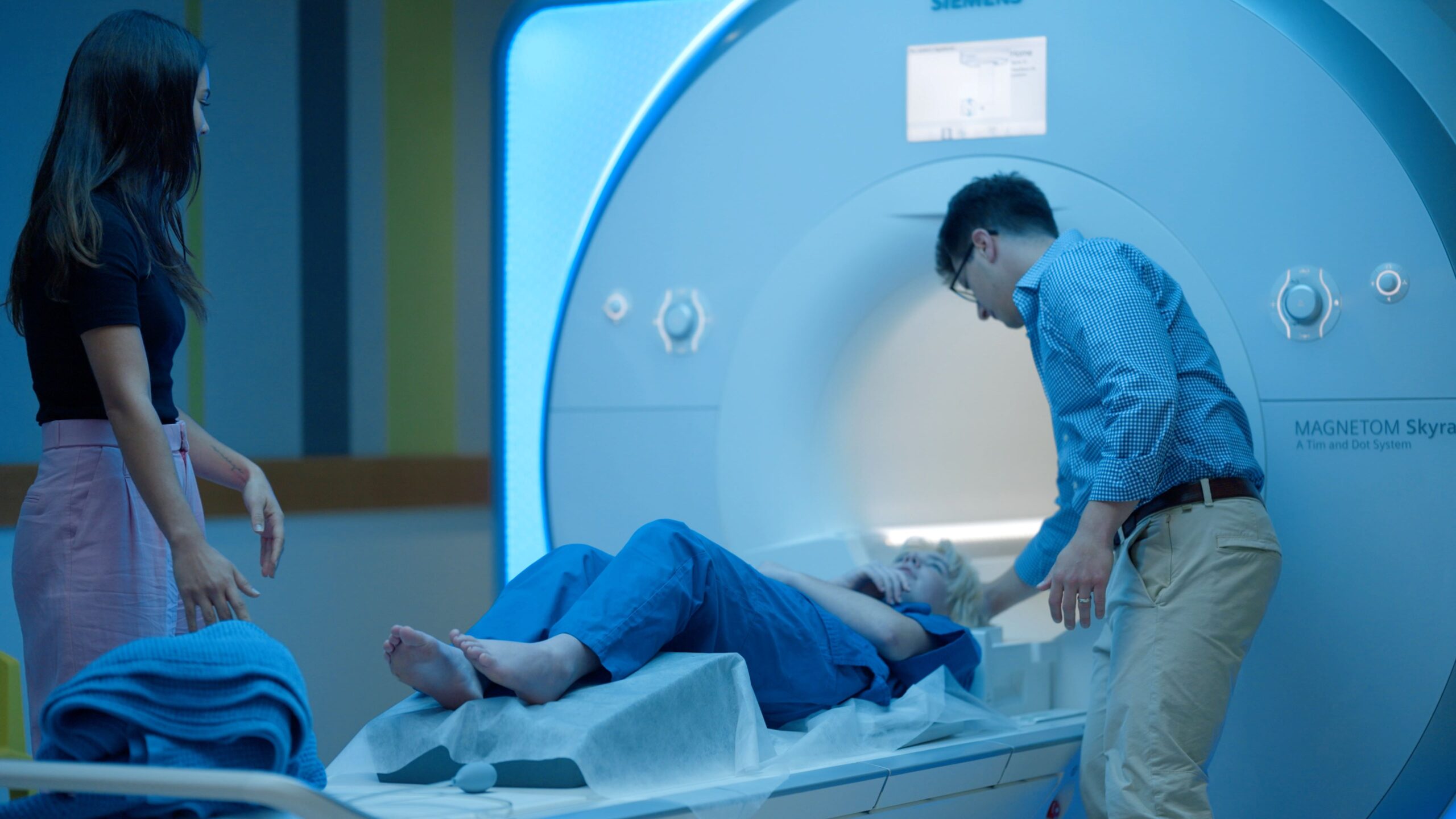
More than 85 per cent of participants found the training beneficial, according to a mindfulness course evaluation.
Dr Kennedy said the results showed that mental health issues were emerging earlier than adolescence.
“It’s important to address these issues when they emerge and develop ways for children to recognise their triggers and understand how to deal with challenging experiences to support their transition to adolescence,” she said.
“Practising mindfulness can help children change their focus from worrying thoughts and help them to improve their attention to their current experience.”

Common worries for children were sleep problems as well as stress or concern about school, friends and home life.
Two papers from the study, supervised by UniSC professor of youth mental health and neurobiology Daniel Hermens and professor Jim Lagopoulos, have been published in the journals Brain Imaging and Behaviour and Psychiatric Research. A third paper is imminent.
Related story: Australian-first health centre starts to emerge
Study collaborators included UniSC’s Thompson Institute researchers Dr Abdalla Mohamed, Dr Paul Schwenn, associate professor Zach Shan and (former) Dr Denise Beaudequin.
Professor Hermens said pre-adolescence, the stage between childhood and adolescence, was characterised by significant changes in brain development as well as continued cognitive and emotional development.
“Due to this critical and sensitive stage, disruption to this development can increase pre-teens’ risk for mental health issues,” he said.
Want more free local news? Follow Sunshine Coast News on Facebook, LinkedIn and Instagram.
“Increasing our understanding of what contributes to emerging anxiety and attention issues can help us be more targeted with interventions.”
In her postdoctoral research fellow role, Dr Kennedy is now translating this research and data into a wellbeing program to be trialled next year in schools.
She is also analysing other CALM data to determine any differences in anxiety levels of boys compared to girls, and whether there is a difference in parents’ and children’s perceptions of children’s anxiety levels.
Help us deliver more news by registering for our FREE daily news feed. All it requires is your name and email at the bottom of this article.