
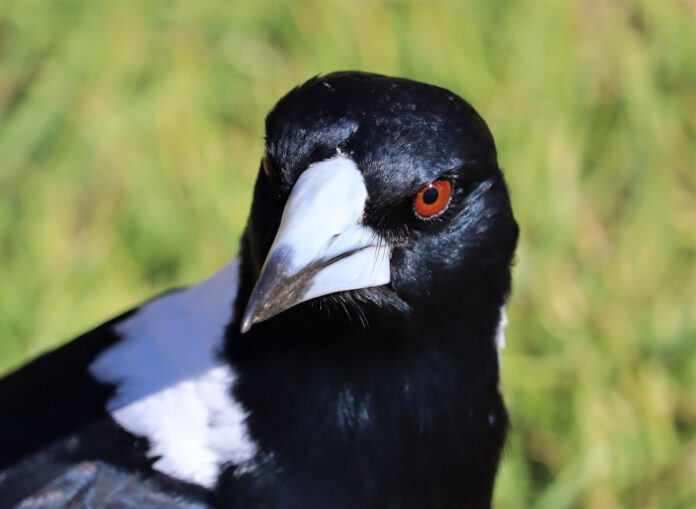
A local conservation official says a little kindness and understanding will help local residents stay safe during swooping season.
Magpies and other defensive birds like plovers, masked lapwing, magpie larks and butcher birds are set to bombard passers-by during native bird breeding season from July to November.
Sunshine Coast Council conservation officer Kate Hofmeister said the swooping action only lasted a short time and occurred because the birds felt their nest and young were threatened.
“Swooping only begins once the eggs have hatched and ends once the chicks have left the nest, which is about six to eight weeks,” she said.
“For magpies, it’s generally the male that swoops to defend his territory and his young.
“Please be tolerant of these protected and iconic native birds if you walk or ride near nests.
“To protect yourself move quickly through the area but don’t run as this is perceived as a threat.
“Dismount and walk your bike and, where possible, walk-in groups – or avoid the area altogether.
“Wear a wide-brimmed hat, sunglasses or put an umbrella up but don’t swing at them – this will also be perceived as a threat.
“Don’t act aggressively towards them as they have a very long memory, and this will just encourage further defensive behaviour in the future.”
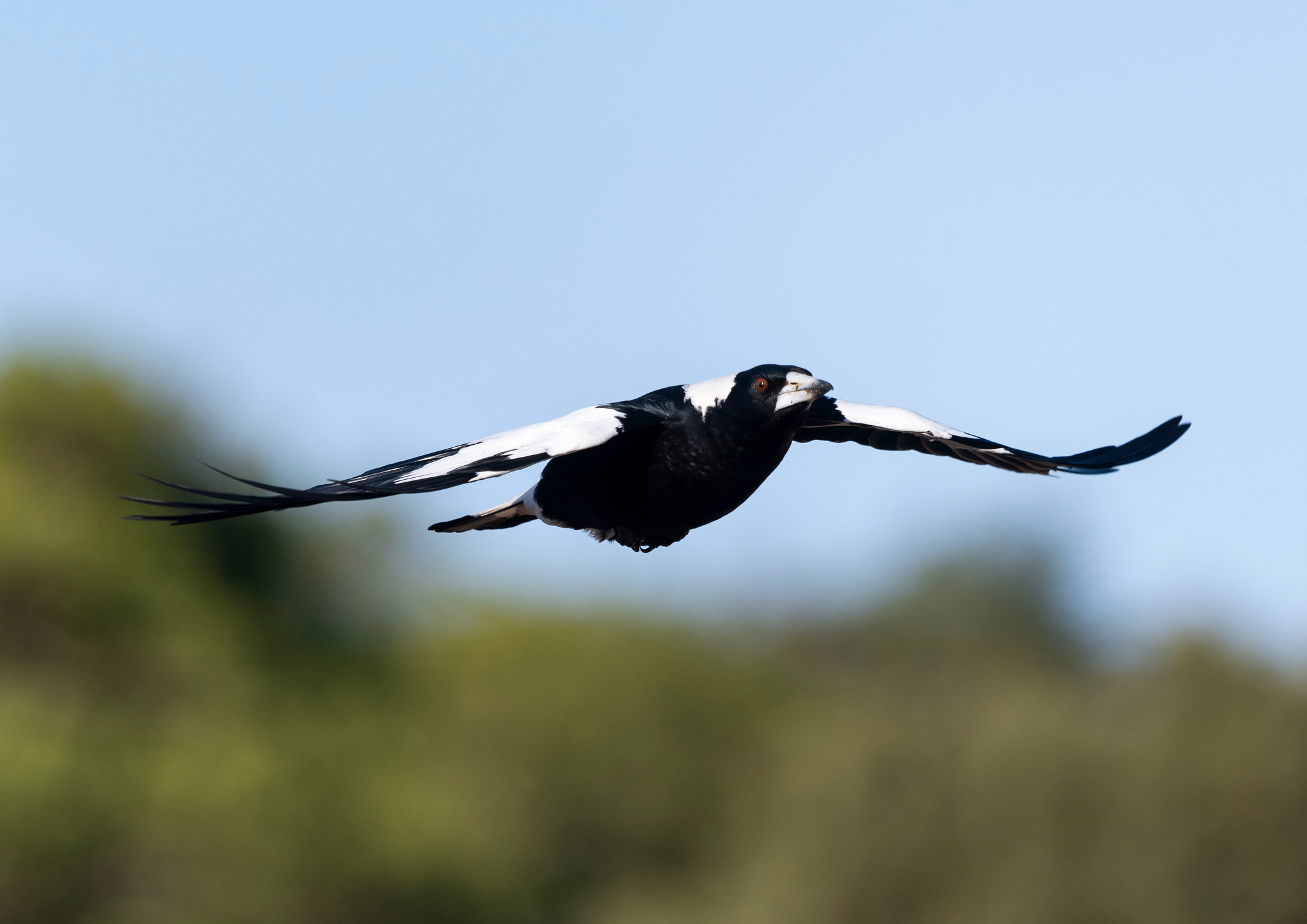
Ms Hofmeister said we lived in a wildlife-friendly biosphere and magpies lived here too, so we needed to find ways to live alongside these protective parents and ensure their continued survival.
“For any reports of birds acting defensively on council-managed land, we visit the site and do an assessment to figure out the best way to work towards a solution,” she said.
“We may install signage to warn pedestrians of the temporary defensive behaviour and actively monitor the bird if we think it’s going to get worse.
“Magpies are protected under the Nature Conservation Act and penalties apply for injuring the birds.”
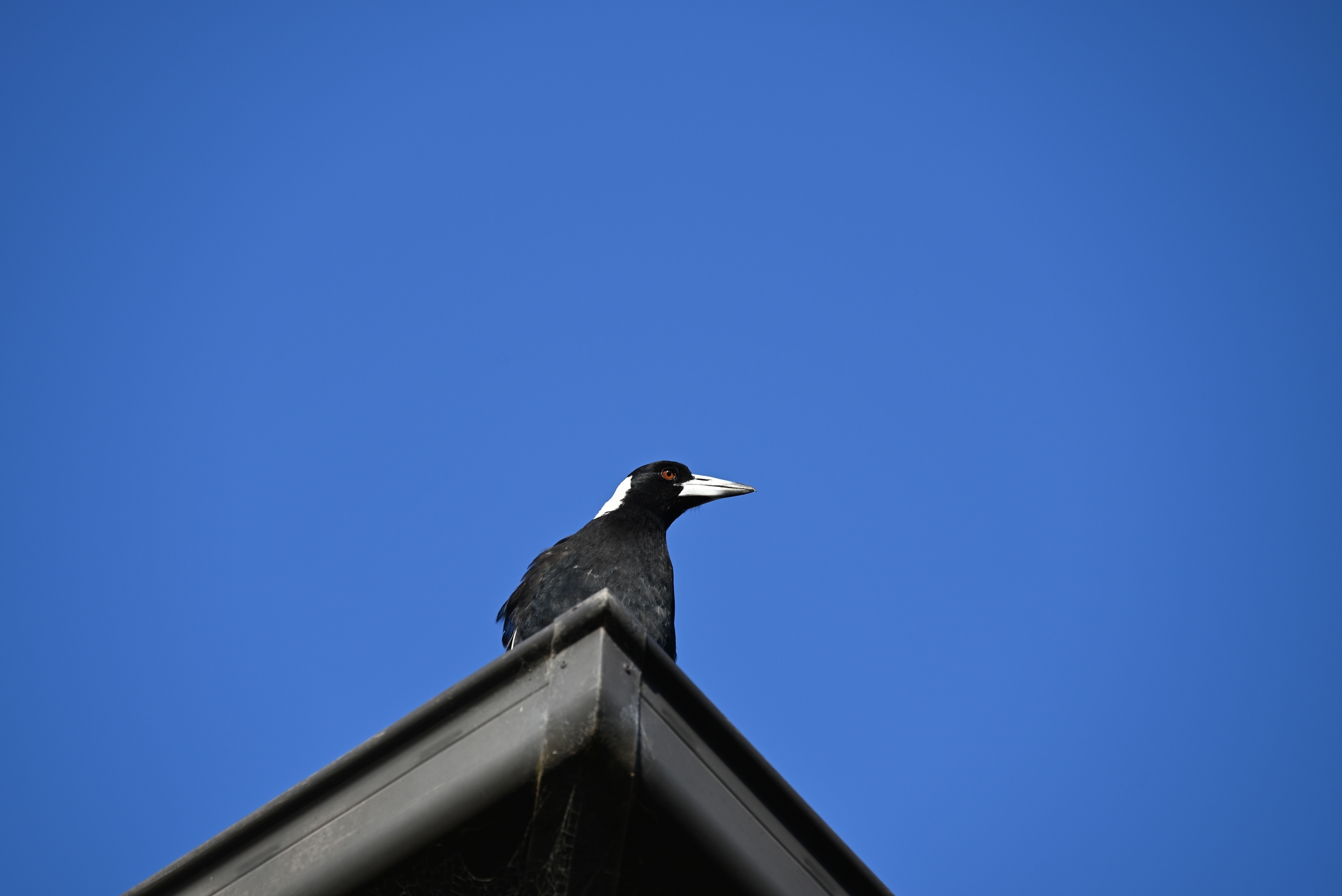
Ms Hofmeister said magpies were very clever and one of Australia’s most iconic birds.
“They can identify individuals by their facial features, clothing and have even been known to remember faces in their neighbourhood,” she said.
“While magpies will often stay in one area for up to 20 years, we understand that only 10 per cent of breeding males will actually swoop.
“Unlike other members of the Artamidae family, magpies walk rather than hop.
“They listen out for their prey by walking along the ground with their head tilted, so they can hear earthworms and larvae moving underground.
“They are also extraordinary parents, looking after their young for up to two years.”
To report a defensive bird in your neighbourhood and request this signage, please contact council with the location and species of bird.
Find out more here.
Like stories about Sunshine Coast people doing great things? Help us deliver more by registering for our FREE daily news feed. All it requires is your name and email at the bottom of this article.