

A free program to help military veterans transition to university and the civilian workforce will soon be offered at the University of the Sunshine Coast.
The four-week Military Academic Pathway Program, to start in late June, is taking applications from military personnel who have signalled an intention to transition to civilian careers.
UniSC discipline lead for engineering and military veteran Dr Adrian McCallum said the Sunshine Coast had one of the greatest number of veterans in Australia – between 15,000 and 17,000 – so it made sense to offer a transition pathway program at UniSC.
“Many of Australia’s military veterans have settled on the Sunshine Coast, with a large portion in the 18- to 24-year-old age group,” he said.
“They haven’t necessarily had the opportunity to study at university, which can be a major stepping stone in any transition to a civilian career.
“A move to university can be a challenging transition to make, particularly if you joined the military at an early age.
“The military forms who you are, and it becomes like a family, so when you remove that there can be a sense of grief that you’ve lost your support and feeling of belonging.
“You’ve also come from a very structured team environment, so it can be a real struggle to adapt to the fluidity and individuality of the modern workplace.
“But, you soon discover that there is an enormous support network available to help you settle into university life.”
The program was developed in conjunction with the Department of Veterans Affairs and is based on a similar program that’s had success at Flinders University.
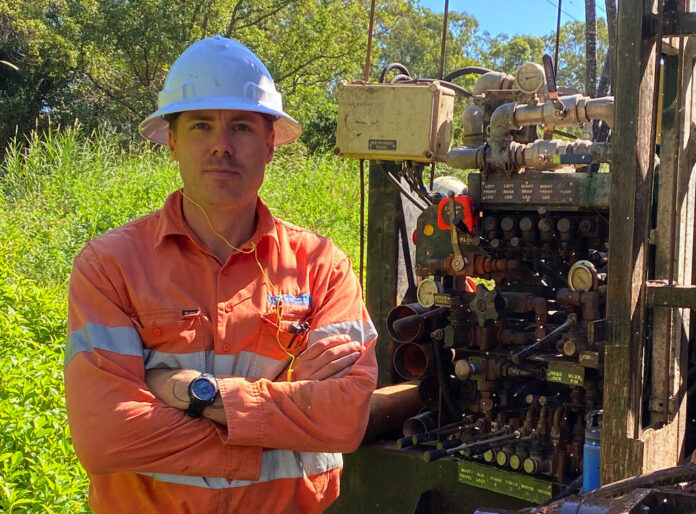
UniSC civil engineering third-year student Samuel Aitken said the support of other veterans to make the transition to university had been vital to his success so far.
“Meeting Adrian, who was also a veteran, meant that I had someone who understood where I was coming from and spoke my language,” he said.
A 2013 diagnosis of post-traumatic stress disorder following a posting to Afghanistan had left him low in confidence and daunted by the prospect of becoming a student.
“I never thought that I would contribute to society again,” he said.
“I’d never been in the university environment before.
“I didn’t know what a lecture theatre looked like or what a tutorial was like, and I’d been out of school for seven years so I’d forgotten how to study.
“In the army you feel you have a sense of purpose and like you’re achieving something and everyone’s working together, and coming back to the civilian world you don’t always feel like you have a purpose.”
Mr Aitken said that his work as a geotechnical engineer at Tectonic was helping him find that purpose and sense of contribution.
“Just knowing that there are opportunities and that I have something to offer has helped me find my feet again,” he said.
“Everything we deal with in life is because of engineers: our houses, safe drinking water, sewage, roadways, cars – everything we touch in life is engineered.”
UniSC School of Education and Tertiary Access Associate Professor Deborah Heck said veterans offered enormous untapped value to mainstream workplaces.
“Veterans are some of most highly trained personnel in the country,” Dr Heck said.
“They are highly committed, professional, dedicated and resilient, and have been trained to perform under high-stress, high-stakes situations to get the job done.
“One of the key things veterans will learn through the program is how their skills can be an asset to organisations, but they will also learn about the unique career opportunities available to veterans, brush up on their academic skills to ensure a smooth pathway to university, and network with like-minded students and staff.”
As part of the program, veterans will be introduced to the university and the support services available, along with learning academic writing, critical thinking and effective communication skills.
They will also hear from experts at the university’s world-class hub for mental health research, the Thompson Institute.
For more information on the course, visit UniSC – Military Academic Pathway Program.



