

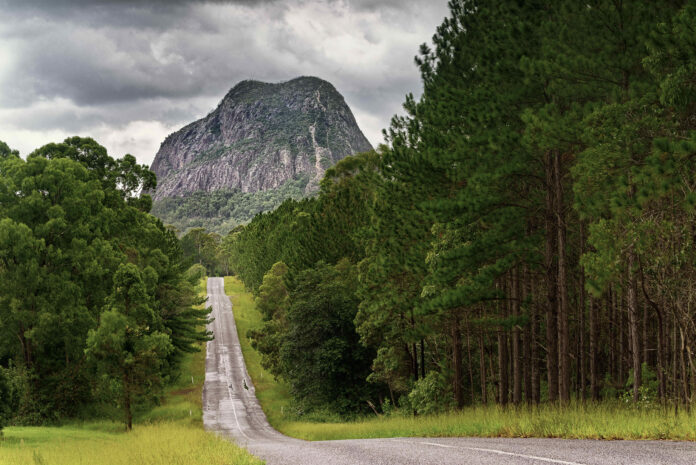
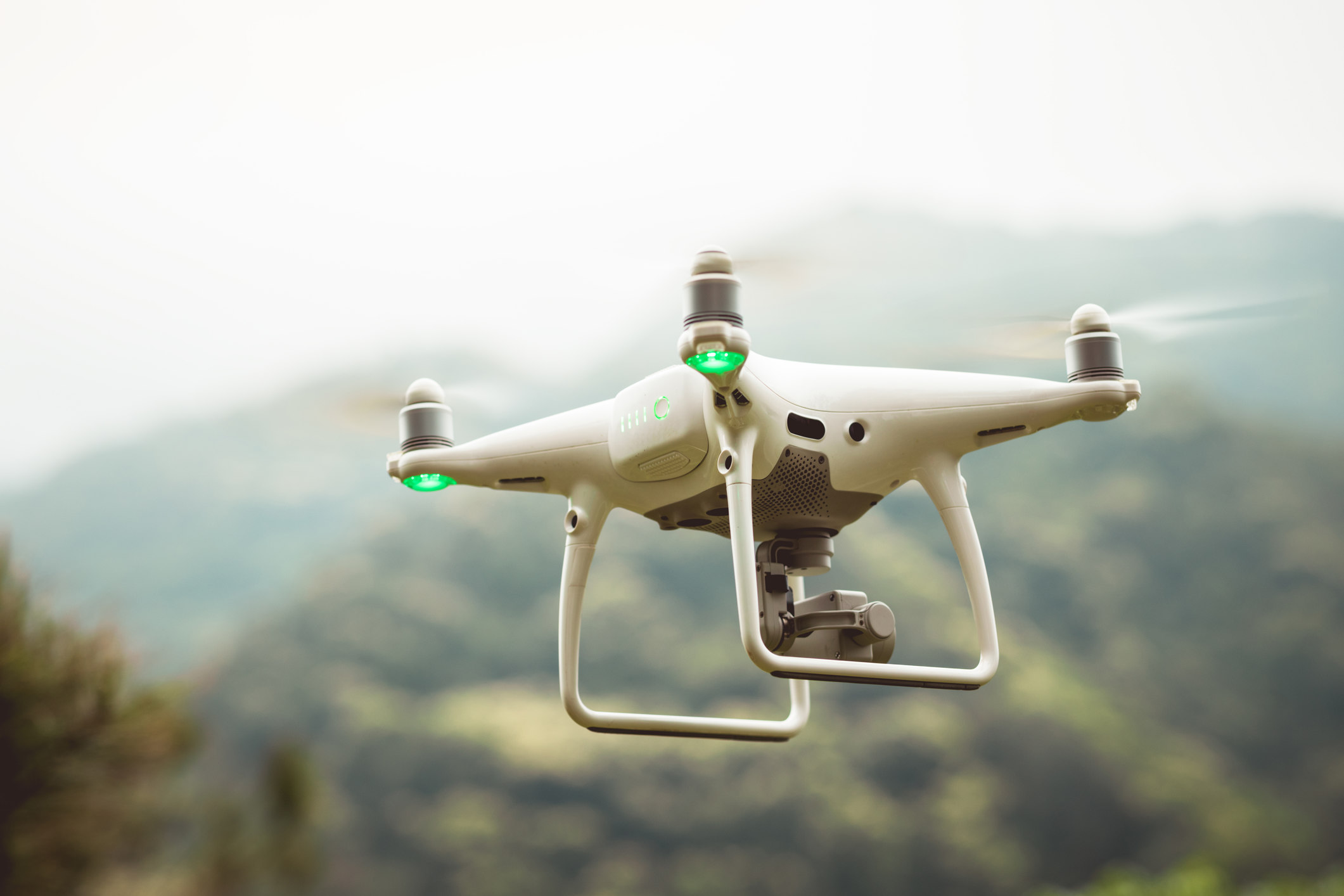
After a day of drama at Mount Beerwah last Saturday, the vital role of drones in rescue operations has come to light.
The devices are being used to drop equipment, food, water and radios to stranded or injured travellers and to first responders. They also continue to be used to search for missing hikers and guide rescuers.
Maroochydore Fire Station senior firefighter Sean Walker is among those to regularly use the drones at the Glass House Mountains.
He said the machines can cut hours off response and rescue times. There are five based at Kawana.
“Even a small job can be prolonged due to the nature of its location,” Mr Walker said.
“For rescuers to get to the summit of somewhere like Mount Beerwah, it might take an hour with all the gear but the drone only takes a minute or two to get up there to drop off equipment or supplies.”
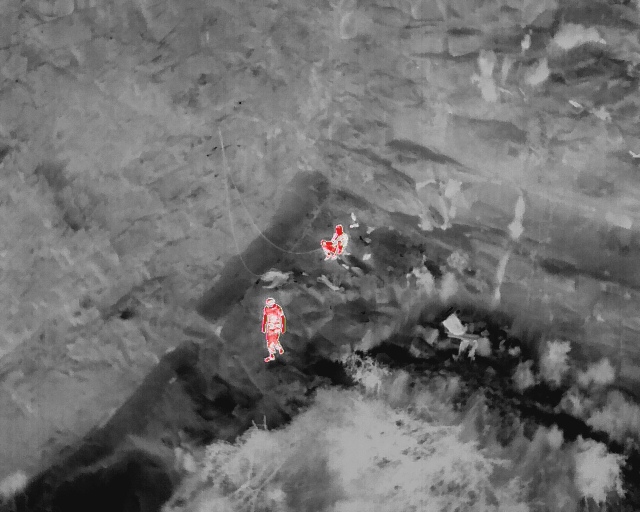
Drones have proved especially beneficial for searching in low light.
“They have great thermal capability and come into their own at night,” Mr Walker said.
“The drones also have great spotlights, which can light up a huge area.
“If someone is missing on the mountain, it’s a huge benefit.”
The Glass House Mountains have been the scene of more than 100 rescues during the past five years.
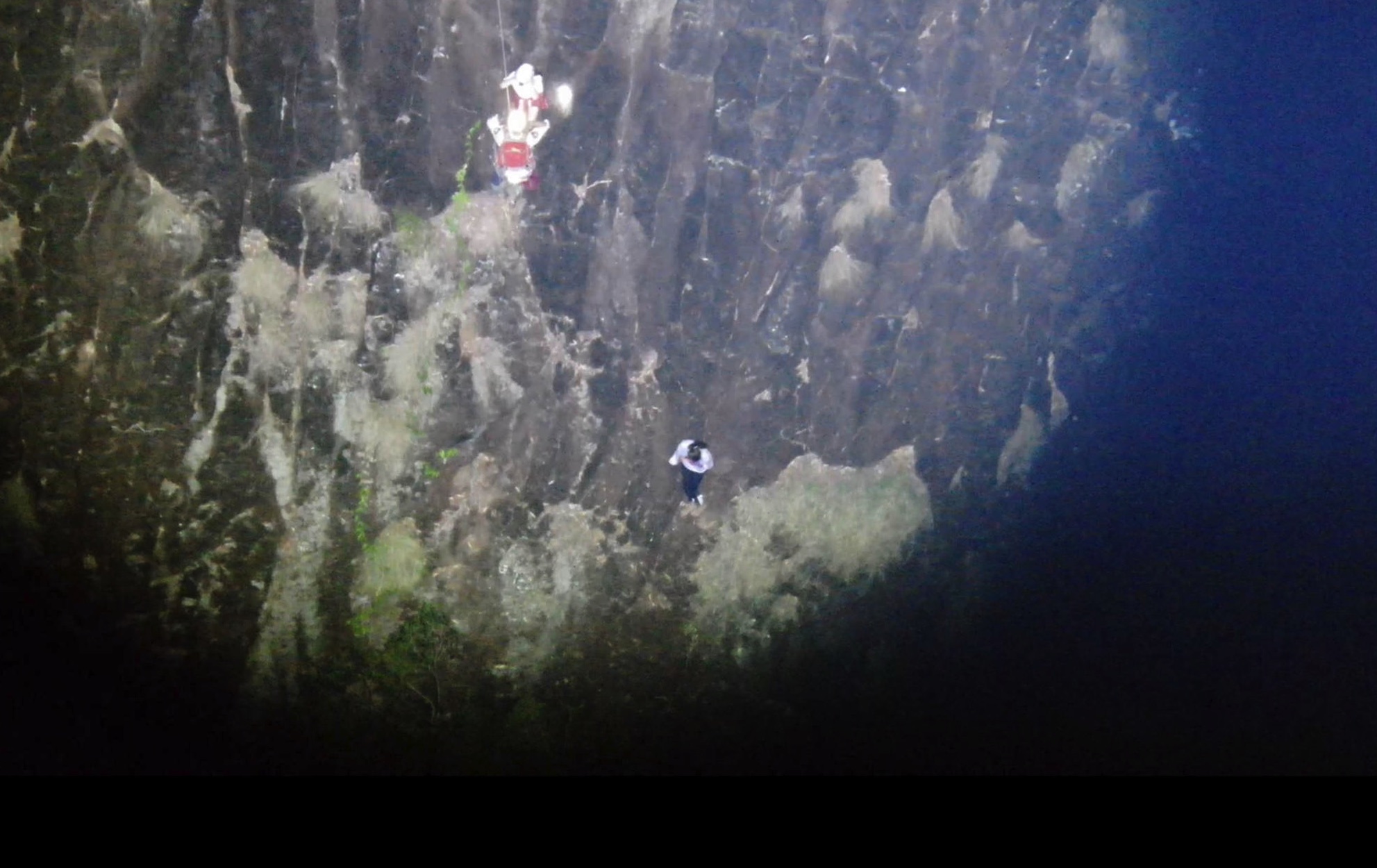
Most rescue missions are to aid and/or extricate people who sustain knee and ankle injuries from falls.
Rescue crews sometimes walk to the hikers and carry them out on stretchers, but other times the patient needs winching by helicopter.
After Saturday’s incidents, which included the tragic death of a woman who fell about 40m, a Queensland Ambulance Service operations supervisor reminded trekkers to be prepared and take care when they scale the region’s landmarks.
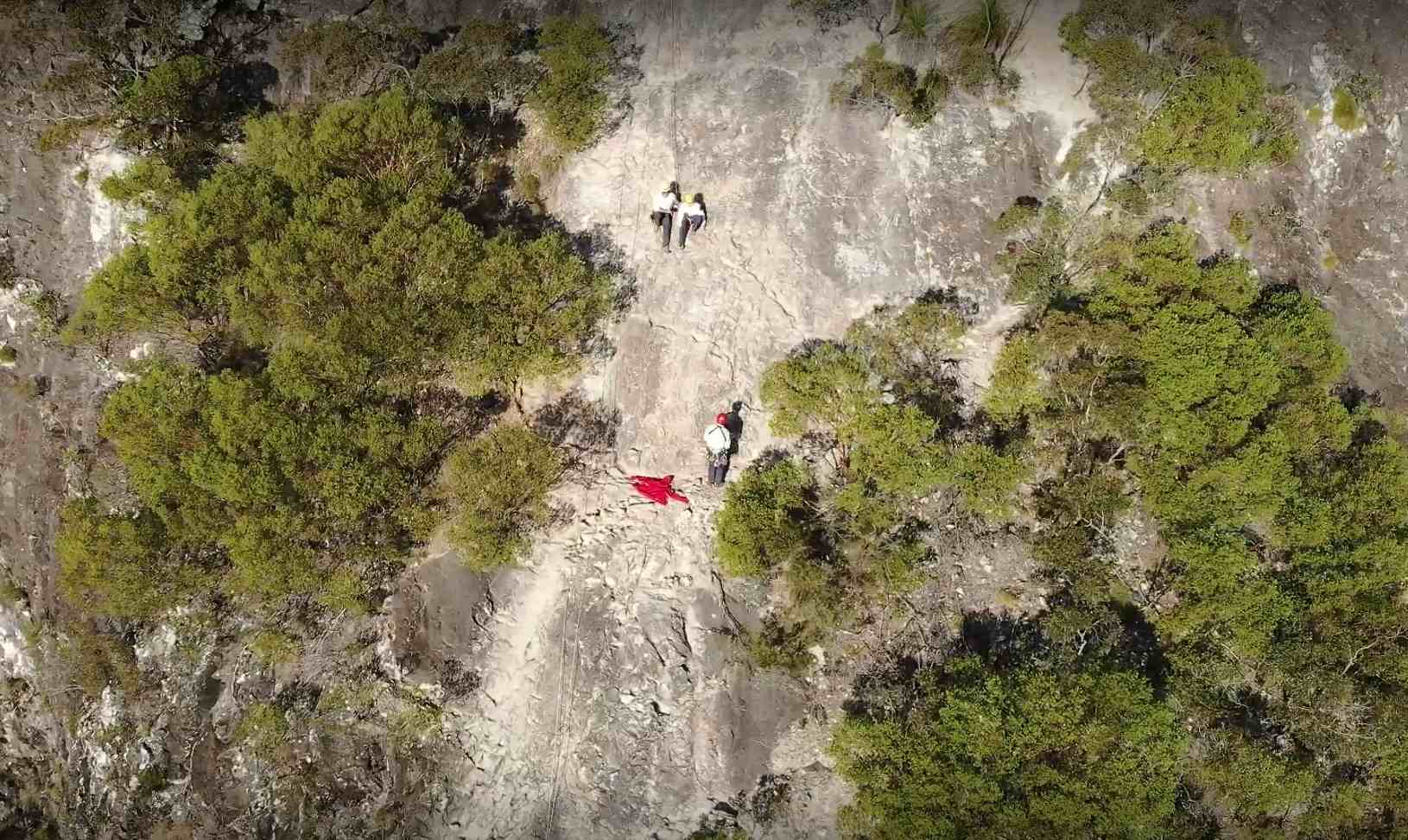
The Queensland Parks and Wildlife Service maintains the walking tracks in the national park but does not provide climbing infrastructure on summit routes.
“Summit routes are not walking tracks and are very challenging and only suitable for climbers with a high level of fitness and with experience and skills in rock scrambling,” it said.
“The routes are steep, strenuous climbs with sheer rock faces. These rocks can be slippery and rockfalls can happen at any time.
“QPWS does not endorse climbers using unmarked routes within the Glass House Mountains National Park.”
A Department of Environment and Science spokesperson said hikers should be fully aware of the dangers and be well equipped for the walks within the national park.
“The Glass House Mountains are not easy climbs. It is important to be prepared and QPWS encourages anyone contemplating climbing in the Glass House Mountains to watch the safety video and obey all on-site warning and safety signage.”
The spokesperson said adventurers had other options, instead of climbing the mountains.
“As an alternative to climbing to the peak, QPWS maintains a network of walking tracks in the Glass House Mountains National Park,” the spokesperson said.
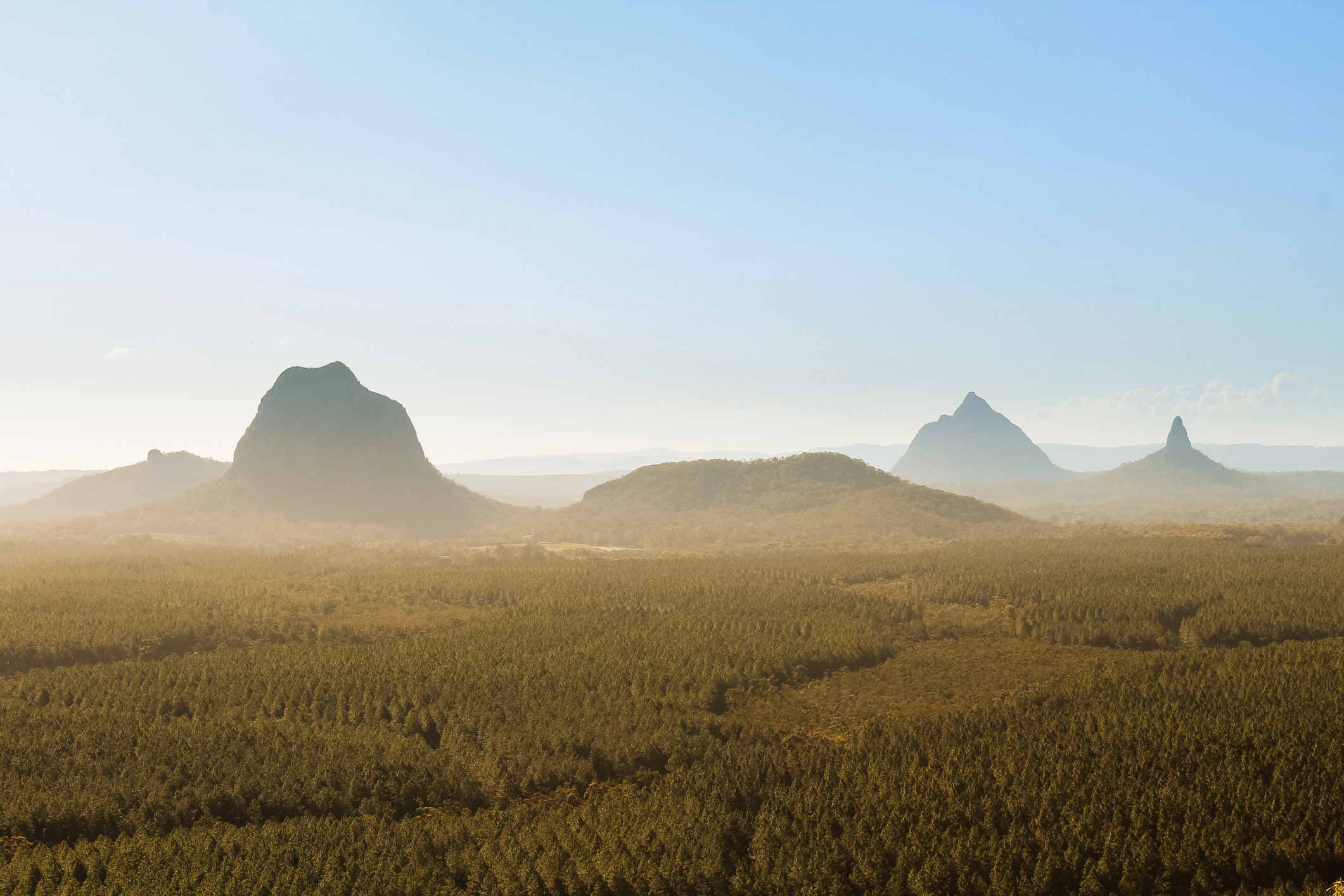
The Glass House Mountains, which are remnants of volcanic activity that occurred about 25 million to 27 million years ago, are special for First Nations peoples.
The DES spokesperson urged visitors to consider First Nations peoples’ request not to climb some of the peaks.
“The mountains are culturally and spiritually significant to the Jinibara and Kabi Kabi peoples.”
“Queensland Parks and Wildlife Service requests that you consider this when you visit the culturally sacred Tibrogargan and Beerwah mountains.”
Like stories about Sunshine Coast people doing great things? Help us deliver more by registering for our free daily news feed. All it requires is your name and email. See SUBSCRIBE at the top of this article.



