
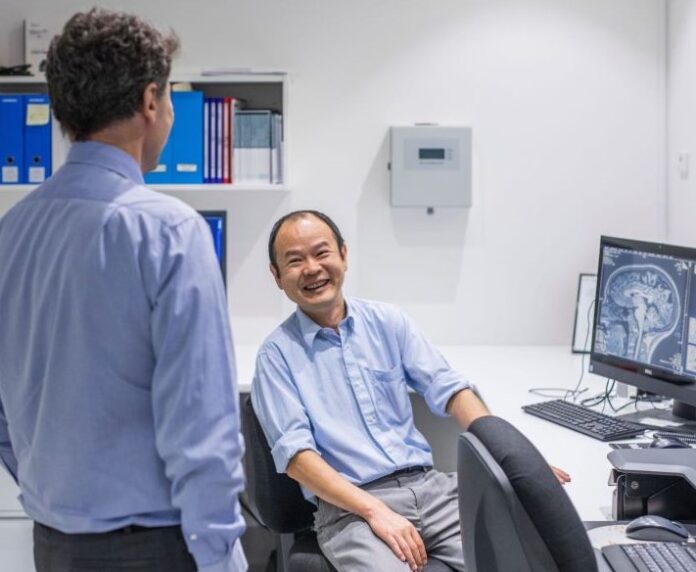
How a person’s brain controls its blood flow may hold the key to diagnosing and treating chronic fatigue syndrome and fibromyalgia, according to UniSC researchers.
UniSC’s Thompson Institute is seeking about 300 participants with myalgic encephalomyelitis/chronic fatigue syndrome (ME/CFS), fibromyalgia and others who are sedentary (tends to spend much time seated) but in good health for the cross-sectional study.
The “world’s first” study will use brain imaging to investigate the dynamics between blood supply, neuronal activity and energy needs.
Lead researcher Dr Zack Shan said the aim was to determine the neurobiological origin of ME/CFS.
There is currently no known underlying disease process and no objective diagnosis test for the debilitating syndrome which affects between 94,000 and 242,000 Australians and up to 24 million people worldwide.
Around 25 per cent of people with CFS cannot leave their house or bed.
“The study will allow us to investigate how healthy people differ from those with chronic fatigue syndrome to find better treatments,” Dr Shan said.
The study is also one of the first to attempts to develop a diagnostic tool by combining magnetic resonance imaging (MRI) and machine learning.
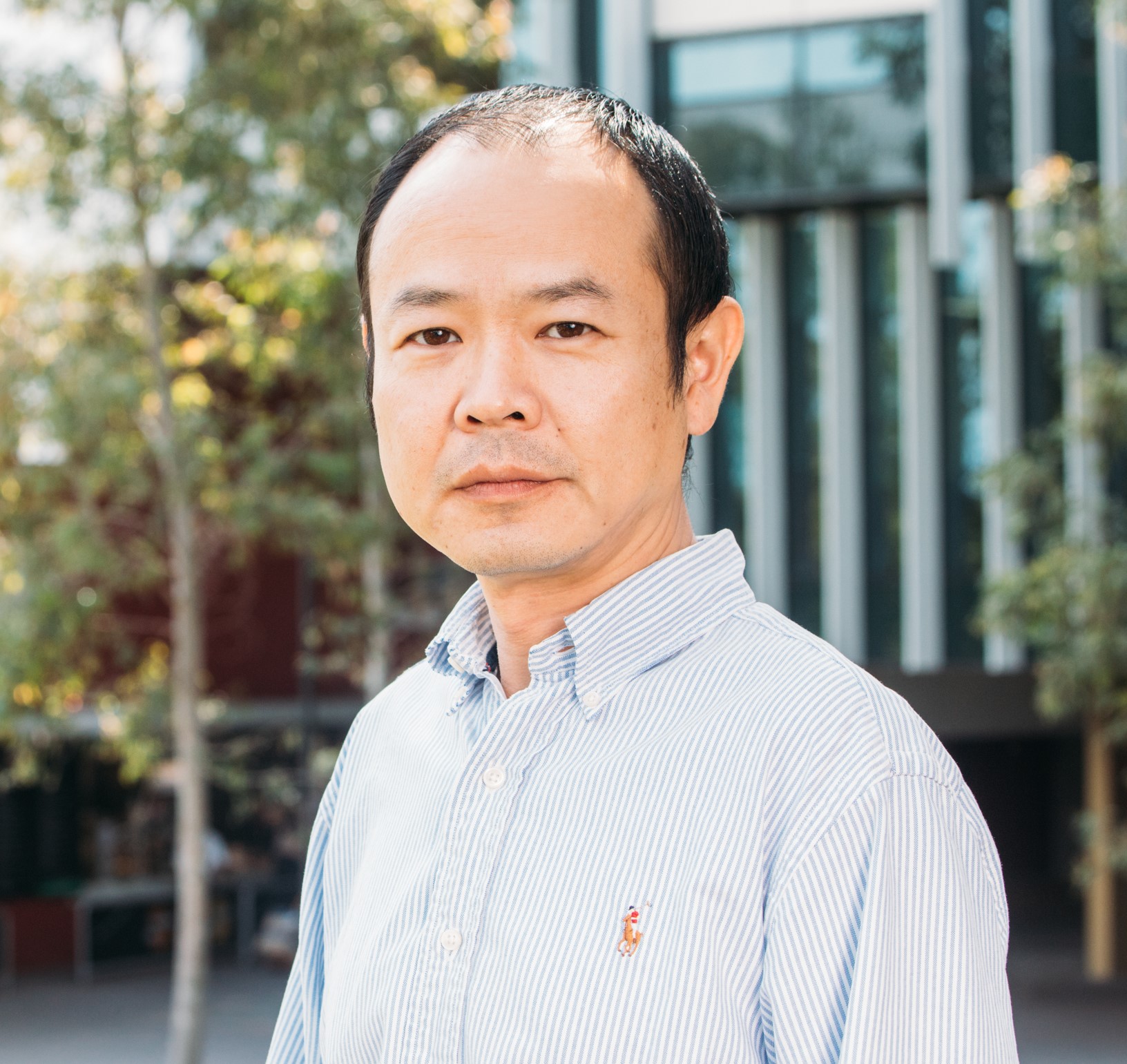
“Machine learning allows us to analyse and gain insights from the vast amount of information brain imaging provides about how specific areas of the brain differ between people with and without fatigue conditions,” Dr Shan said.
“Through this we aim to develop a neuromarker – a biological indicator – that can be used to diagnose ME/CFS and fibromyalgia.”
The study is the world’s first in the following four aspects.
- It will be the first to use artificial intelligence to combine different magnetic resonance imaging modalities for an objective diagnosis of CFS.
- The first to model regional brain blood flow regulation in response to tasks in CFS patients.
- The first to measure neurotransmitter (chemical messenger in the brain) changes in response to cognitive tasks in CFS patients).
- the first large cohort study including a chronic fatigue group, those suffers from fatigue but not meeting CFS criteria yet according to our clinicians, such as long-covid.
Dr Shan said the study will provide a neurobiology model (underlying biological disease process in the brain) for ME/CFS, paving the road for developing objective diagnosis of CFS, designing biologically based therapeutic interventions, and reducing patients’ frustration by providing an accepted definite cause for their symptoms.
“This study includes comparing ME/CFS and primary fibromyalgia, contributing to a better understanding and treatment development for fibromyalgia,” he said.
Thompson Institute general manager Elise Jione participated as a ‘healthy’ control in the study as she wanted to contribute to the body of research that will find ways of actually diagnosing chronic fatigue.
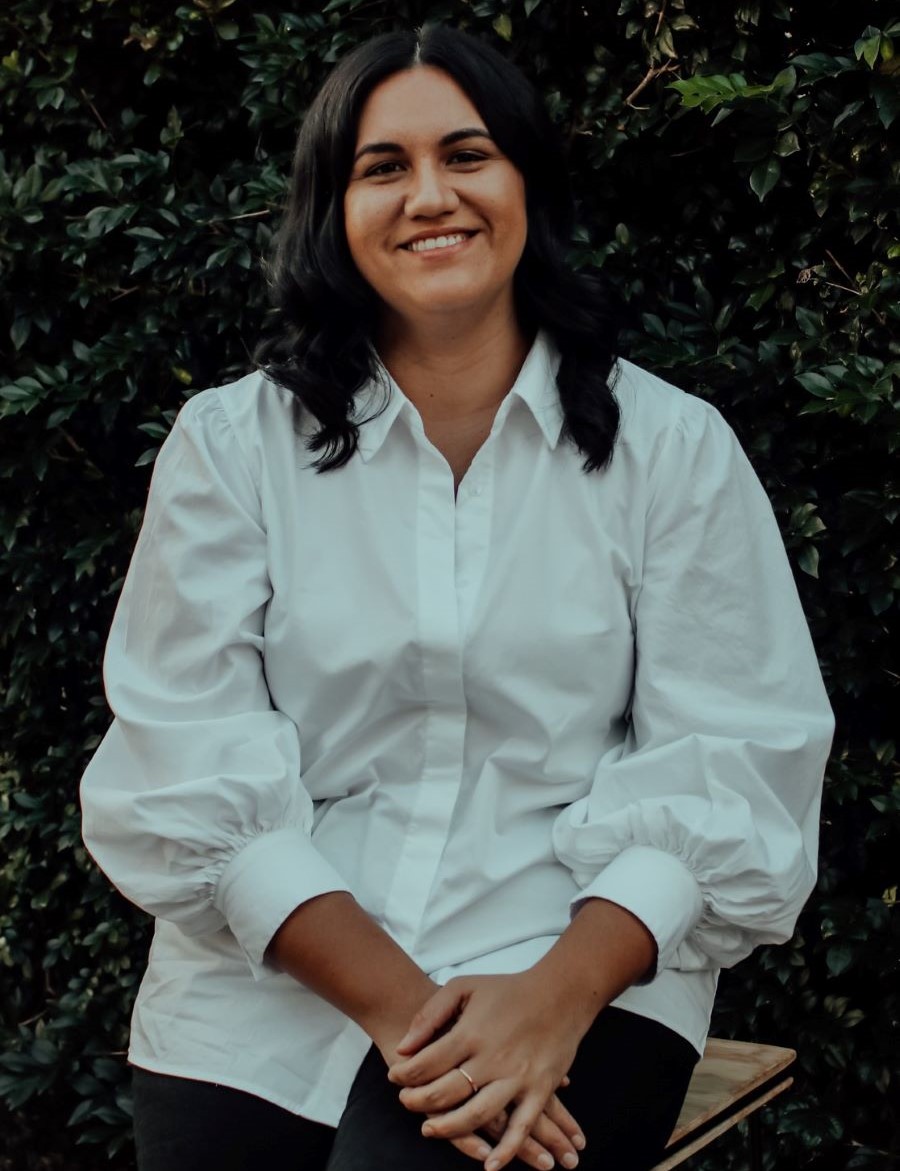
“A few years ago I had Ross River fever, and although that was only for a short period of time … I can only imagine what it’s like for people living with Chronic Fatigue on a daily basis,” she said.
Many disorders can cause chronic fatigue, however this study focuses on chronic fatigue syndrome (CFS), also called myalgic encephalomyelitis (ME).
ME/CFS is a complex illness featured by overwhelming fatigue that is not improved by rest. People with ME/CFS often cannot do their usual activities and are confined to bed or home.
MRIs will measure a range of brain functions, including regional brain blood flow changes in response to neural activities and generate a brain pattern of distributed clusters that predict disease severity.
“This an important study as about 80 per cent of patients struggle to get a diagnosis and are often left depressed by the lack of a diagnostic certainty and medical understanding of the disease,” Dr Shan said.
“Although the causes of ME/CFS and fibromyalgia remain unresolved, the well-documented impacts, including profound fatigue, sleep disturbance, cognitive impairments, altered sensory and pain perception, suggest that abnormal brain function plays a crucial role in the underlying disease process.”
Participation will include questionnaires, health checks such as blood pressure, wearing an activity monitor and chest strap, and MRI scanning. People can register their interest in participating in the study here.
Each volunteer can also be provided with a snapshot of their MRI brain images.
This study has been registered with the Australian New Zealand Clinical Trials Registry,
SUBSCRIBE here now for our FREE news feed, direct to your inbox daily!