
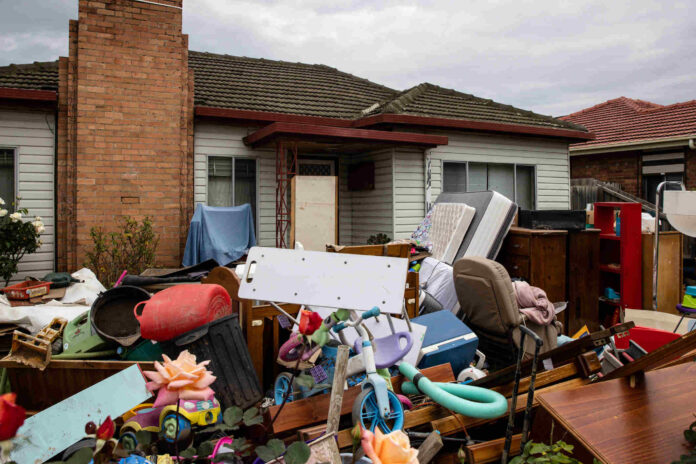
The cost of extreme weather events is expected to soar and put insurance out of reach for some communities.
The Insurance Council of Australia (ICA) released landmark research on Wednesday on the scale of the challenge and how the industry should respond to climate change.
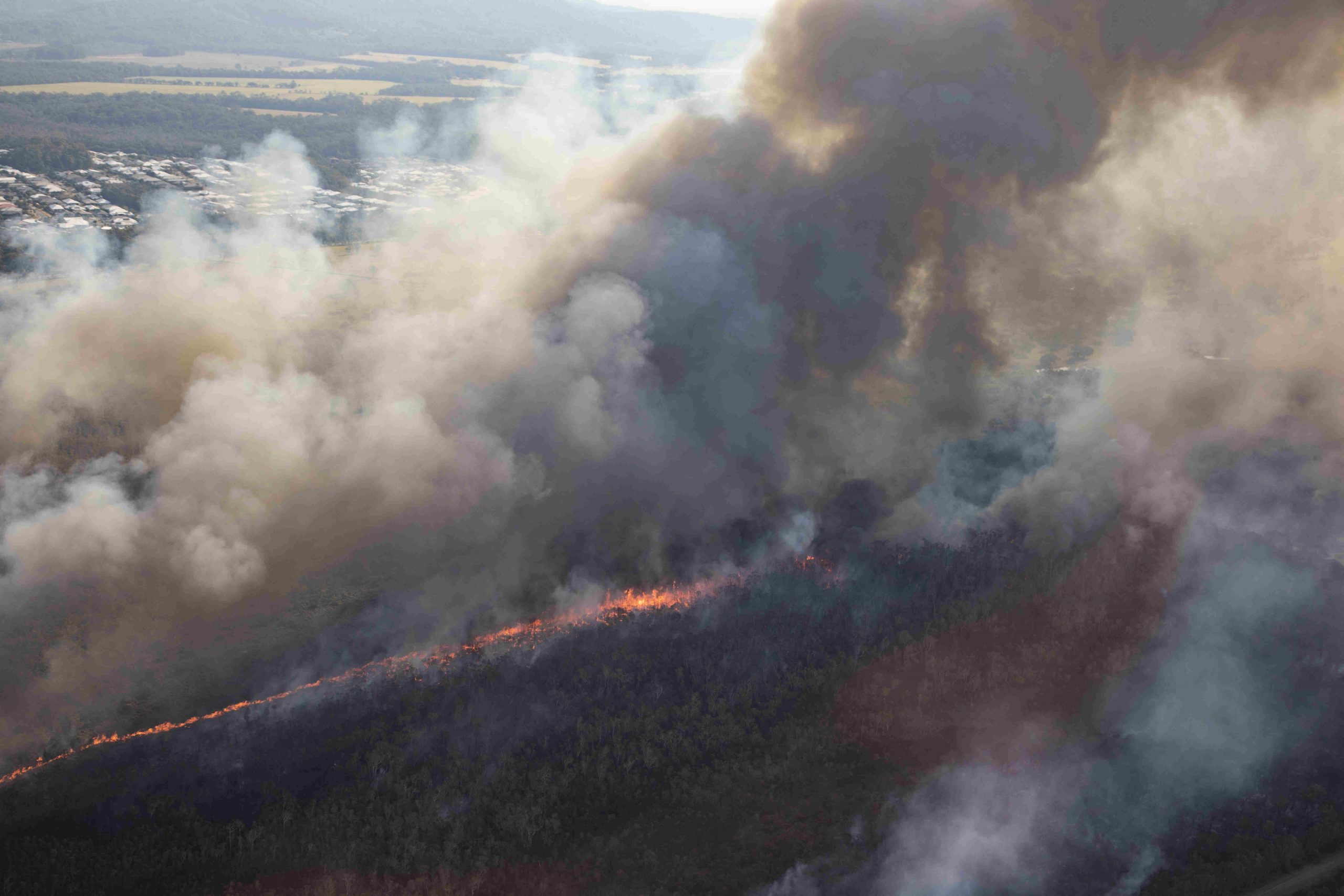
ICA chief executive Andrew Hall said a new era of extreme weather is bringing more intense rainfall and flooding, more severe bushfires, and more intense cyclones.
“The total cost of these extreme weather events is forecast to be unlike anything we have experienced, with climate-related extreme weather events expected to cost $39.3 billion a year by 2050,” he said.
Australia’s general insurance sector covers 35 million homes, buildings and vehicles against the physical and financial impacts of extreme weather events.
Overhauling its own business practices is recommended in the report, including getting out of dirty investments.
Changing corporate fleets to electric cars and rooftop solar for office buildings will help take the carbon footprint of insurance business operations to net zero by 2030 under the plan.
Do you have an opinion to share? Submit a Letter to the Editor with your name and suburb at Sunshine Coast News via: news@sunshinecoastnews.com.au
Underwriting, investment portfolios and meeting claims must also become sustainable as part of a broader push to net zero by 2050 across the insurance supply chain.
The claims supply chain accounts for the vast majority of operational emissions for insurers as they manage $150.6 million in claims every working day, according to the report.
By working with contractors and brokers, general insurers could contribute to decarbonisation well beyond their own operational footprint and across the community.
For example, some insurers around the world are adopting “repair over replace” policies across their home and contents and motor insurance policies, which is reducing landfill and the carbon footprint of claims.
Addressing fossil fuel exposure in underwriting, insurer Suncorp decided its businesses will not directly invest in, finance, or underwrite new thermal coal mines or coal-fired electricity generation, or new oil and gas projects.
Mr Hall said customers increasingly expect insurers to play a role in the net-zero transition and demonstrate insurers understand climate risk.
The cost of climate-related severe weather events was $38 billion in 2020 and is forecast to increase to $73-94b per year by 2060, depending on the world’s emissions scenario.
Coastal regions will bear the brunt, although many inland areas will face increasing bushfire-related risks and costs.
“Providing affordable coverage in high-risk areas will become increasingly challenging unless the resilience of the built and natural environments is strengthened,” the report warns.
Australian general insurance companies have $80b in invested assets globally which could more than double over the next 15 years, and target green investment.
The report, Towards a Net Zero and Resilient Future, was written by the Boston Consulting Group to help insurers lead the financial services sector and act on the cause, not just the impacts.