Australians will have to dig a little deeper in their pockets after the Reserve Bank hiked the cash rate to 1.35 per cent.
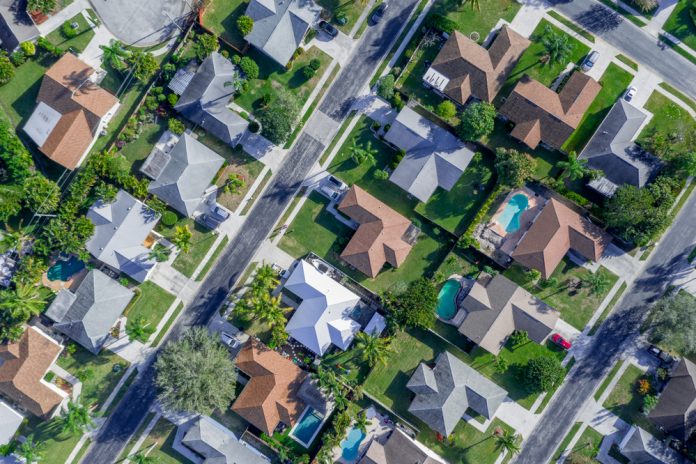
RateCity estimates the 50 basis point rise – the third hike in three months – will add $137 a month to a $500,000 mortgage, or $499 per month on a $750,000 loan.
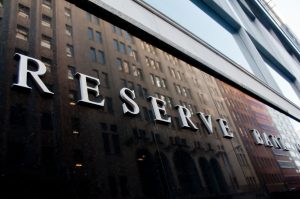
“Today’s increase in interest rates is a further step in the withdrawal of the extraordinary monetary support that was put in place to help insure the Australian economy against the worst possible effects of the pandemic,” Reserve Bank governor Phil Lowe said in a statement following Tuesday’s board meeting.
“The resilience of the economy and the higher inflation mean that this extraordinary support is no longer needed.”
He said the size and timing of future interest rate rises would be guided by “the incoming data and the board’s assessment of the outlook for inflation and the labour market”.
“The board is committed to doing what is necessary to ensure that inflation in Australia returns to target over time.”
The board is seeking to use rate rises to push inflation down from its 21-year high of 5.1 per cent back into its two to three per cent target band.
But global and domestic factors are pushing inflation towards a predicted peak of seven per cent by the end of the year.
“Inflation is forecast to peak later this year and then decline back towards the two to three per cent range next year,” Dr Lowe said.
“As global supply-side problems continue to ease and commodity prices stabilise, even if at a high level, inflation is expected to moderate.”
He said the Australian economy remained resilient and the labour market was tighter than it had been for some time.
 However the board would be keeping an eye on household spending trends and the global outlook which was “clouded by the war in Ukraine and its effect on the prices for energy and agricultural commodities”, as well as the ongoing impact of the COVID-19 pandemic.
Treasurer Jim Chalmers acknowledged household budgets were already stretched by the price of petrol, groceries, electricity and other essentials and would now be eaten up by mortgage repayments.
“Today’s decision by the independent Reserve Bank to increase interest rates by half a percentage point is very challenging news for hardworking Australians already doing it tough,” Dr Chalmers said.
He said it was expected inflation would get worse before it got better.
“That’s why we’re working hard to deliver on our commitments to boost the capacity of the economy and reduce the cost of living, and why we fought for an increase to this year’s minimum wage for 2.8 million Australians,” he said.
Another hike is expected in August following the release of second quarter inflation data.
But some economists say the RBA may need to slow or even pause rate rises heading into 2023.
New data released on Tuesday showed while consumers were feeling anxious, they were still keen to spend.
The Australian Bureau of Statistics reported retail trade rose 0.9 per cent in May to be up 10.4 per cent on the year.
The Federal Chamber of Automotive Industries said new vehicle sales totalled 99,974 units in June, down 9.7 per cent on a year ago.
ANZ and Roy Morgan consumer confidence fell 1.2 per cent in the past week.
The housing market is already responding and will be closely watched as banks set their new higher loan rates.
The Corelogic Home Value Index for June showed house prices in Sydney and Melbourne dropped by 2.8 and 1.8 per cent respectively over the quarter, with Adelaide the only city showing a solid upward trend.
Eleanor Creagh, PropTrack senior economist, said despite the market implicitly pricing a cash rate of three per cent by December, it was likely the cash rate will end the year “closer to two per cent than three per cent”.
Capital Economics’ Marcel Thieliant said he had pencilled in another 50 basis point hike in August.
“And we now expect inflation to peak at eight per cent and expect the cash rate to rise to 3.5 per cent.”