


Nine “mega-trends” around health and wealth, climate adaption, migration and lifestyle will force significant changes in the real estate industry in the next five or more years.
The COVID-19 pandemic and climate change are the key factors reshaping the industry’s future, says Real Estate Institute of Australia (REIA) chief executive officer Anna Neelagama.
Sustainability conscious customers looking for green credentials of homes that are more energy efficient and built to withstand severe climate events means the industry needs to develop better policies so that, “housing stock can be improved, and homeowners and homebuyers can be supported to make those choices,” Ms Neelagama explains.

She uses the example of her home state of Queensland where she says housing stock has improved to withstand cyclones, flood and fire.
The REIA’s future research report also identified the need for the industry to help close the deposit gap for first home buyers. Ms Neelagama says there is a strong sense in this rising market that home ownership is becoming more unattainable.
Optimising health outcomes is another trend that will impact on retail and commercial spaces with air quality and social distancing being incorporated in new developments.
While not new, more than before people are looking for homes that suit fluidity of work and life. And regional areas such as the Sunshine Coast with good access to hospitals, schools and beaches, and where people can secure work outside of a city, will continue to be valued.
“We are seeing a lot of people maintaining two homes so they can both work in the city and remotely either rurally or at the coast,” she adds.
Help keep independent and fair Sunshine Coast news coming by subscribing to our free daily news feed. All it requires is your name and email. See SUBSCRIBE at the top of this article.
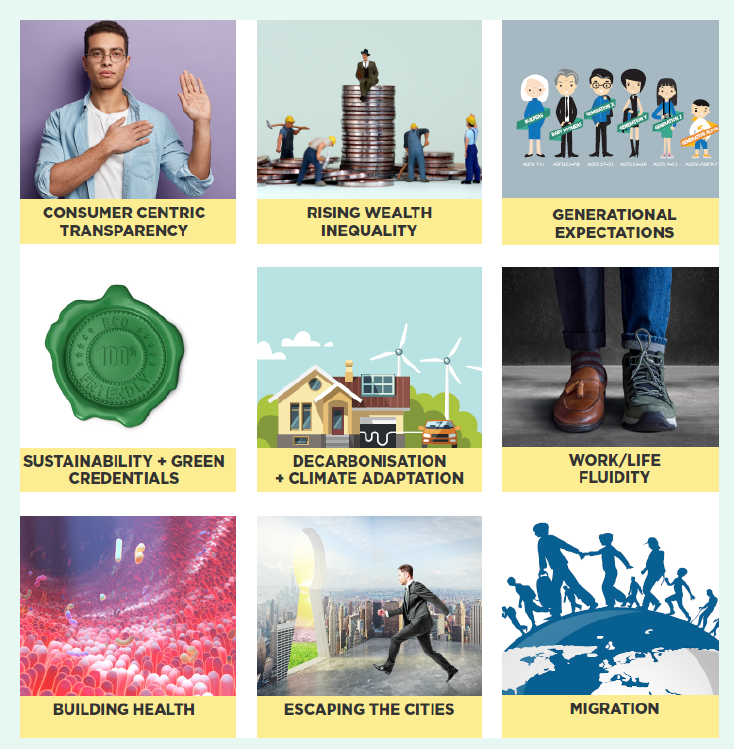
Australia’s ageing population combined with a decline in international migration will in the short term have a significant impact on housing investors.
“Housing stock that would normally be held by young families and stock that you would expect to be turning over are being held,” Ms Neelagama says.
Other identified trends are consumers wanting more transparency in industry information and accountability when they are buying property, and agents being more cognisant of generational expectations of how long people will stay in their family home.
“At this point of the property cycle and with Australia’s ageing population, we would have expected to see a lot more downsizing, but what we are seeing across the board is people choosing to stay in their family home, and I think COVID has really cemented that,” Ms Neelagama adds.



