Boris Johnson says tougher COVID-19 restrictions are likely to be imposed in the UK, and Norway has announced new rules as the virus surges in Europe.
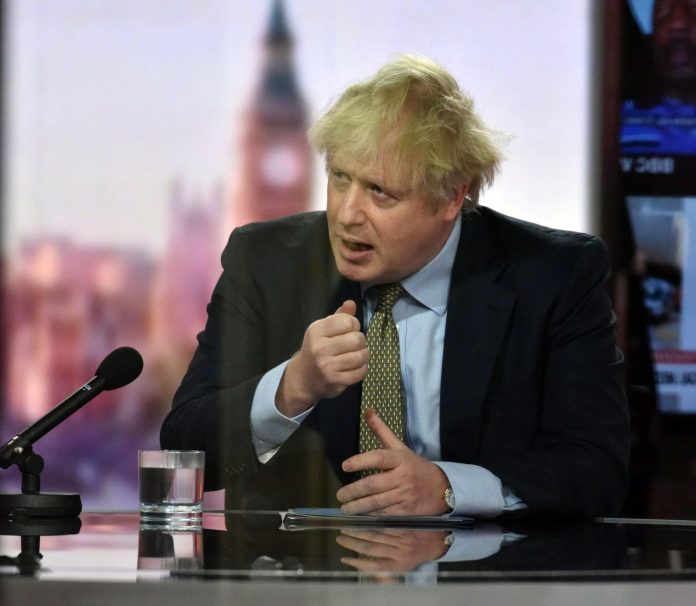
British Prime Minister Boris Johnson says tighter COVID-19 restrictions are likely to be imposed in the UK, which is already at its highest tier of lockdown.
Meanwhile, rules have tightened elsewhere across Europe amid surging coronavirus cases.
Cases in Britain are at record levels and the increase in numbers is fuelled by a new and more transmissible variant of the virus.
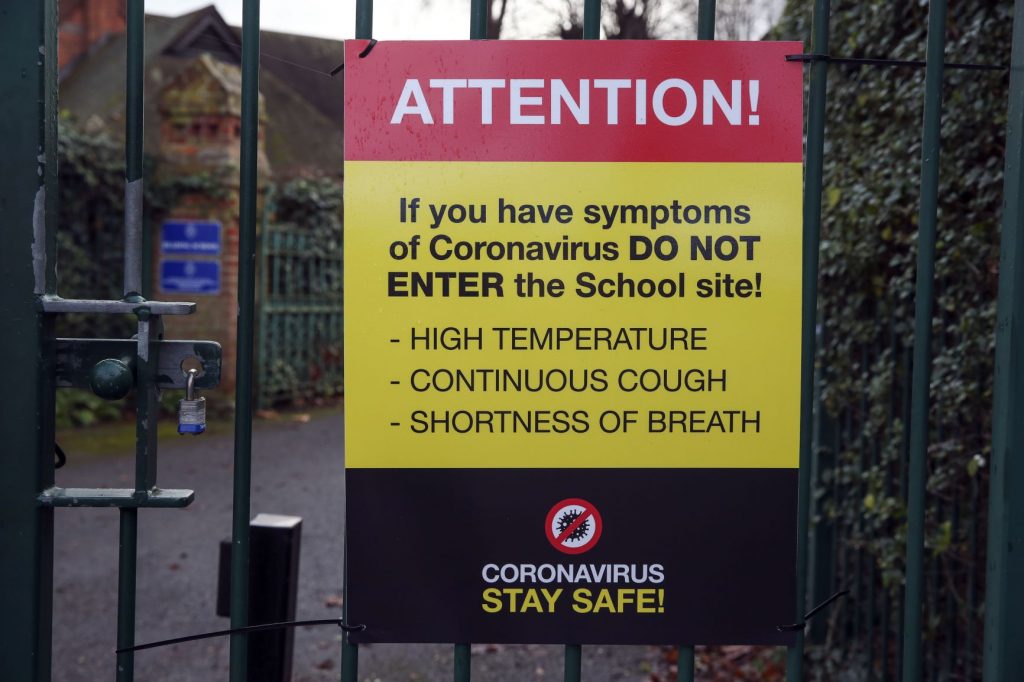
The government has cancelled the planned reopening of schools in and around London but teaching unions want wider closures.
Much of England is already living under the toughest lockdown level under a four-tier system designed to stop the spread of the virus and protect the healthcare system.
But when asked about concerns that the system may not be enough to bring the virus under control, Johnson said restrictions “alas, might be about to get tougher”.
“There are obviously a range of tougher measures that we would have to consider … I’m not going to speculate now about what they would be,” he told the BBC.
Britain’s opposition Labour Party leader Keir Starmer said Johnson must implement a national lockdown within the next 24 hours.
“What we’ve learnt is that the longer you delay the difficult decisions, the worse it is on the health front, the worse it is on the economic front,” Starmer said.
Britain recorded 54,990 new cases of the virus on Sunday and has registered more than 75,000 deaths from the pandemic.
The government’s response has been heavily criticised.
But the rollout of vaccines is set to accelerate on Monday with the first 530,000 doses of the newly approved Oxford/AstraZeneca vaccines ready to be administered.
Johnson said he hoped “tens of millions” would be treated over the next three months.
Elsewhere in Europe, the virus continues to wreak havoc.
Norway announced fresh restrictions on Sunday, including a nationwide ban on serving alcohol in restaurants and bars, and inviting guests home.
Germany’s strict lockdown is almost certain to extend beyond its current January 10 date because of sustained high virus numbers.
The German retail industry on Sunday said it was worried that keeping shops closed could spell the end for tens of thousands of businesses.
Belgian Prime Minister Alexander de Croo on Sunday said his government would consider relaxing restrictions before March if the country drops below an average of 800 daily infections.
Current figures are in Belgium are more than twice that target.
Belgium has since mid-October enforced a nightly curfew, restricted social contact, kept the hospitality industry closed and made remote working mandatory.
But most non-essential stores and museums have been open since December 1.