

Sunshine Coast Health has announced a public health alert and revealed three locations as measles exposure sites.
Authorities issued the alert about the contagious disease on Wednesday morning.
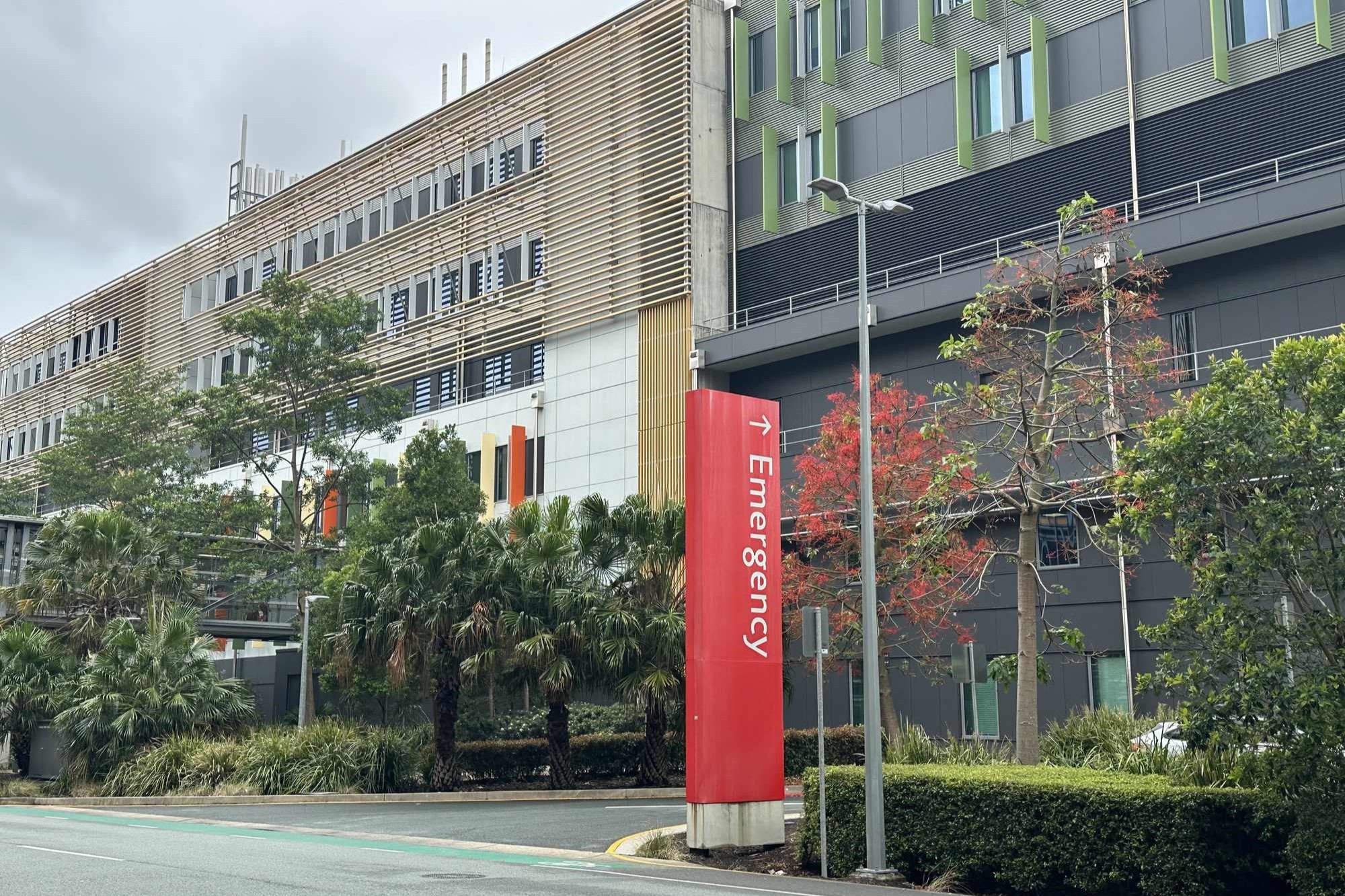
“Sunshine Coast Health is currently managing a confirmed case of measles. Contact tracing is currently underway, with exposure sites identified at Sunshine Coast University Hospital.”
The exposure sites are the Sunshine Coast University Hospital emergency department (February 11, 9.20pm to February 12, 2.10am), the SCUH child and adolescent ward (February 12, 1.50am to February 15, 1.25pm) and the SCUH paediatric critical care unit (February 15, 12.55pm to February 16, 1.45pm).
“Measles is one of the most contagious diseases and can be caught in public places if an infectious person is present,” SCH stated.
Help us deliver more news by registering for our FREE daily news feed. All it requires is your email at the bottom of this article.
“It spreads through tiny droplets released when someone coughs or sneezes.
“Anyone who was at the exposure sites should monitor for symptoms for 18 days.
“Early symptoms include fever, tiredness, runny nose, a moist cough, and red, sore eyes. A few days later, a blotchy red rash develops, starting on the face and spreading across the body.
“If you or a family member feel unwell, call your general practitioner, visit your nearest emergency department or phone 13 HEALTH (13 43 25 84).
“Do not go directly there, please phone ahead first and let them know you have been exposed to measles so staff can take precautions to protect others. You should ask for a urine or nose/throat swab PCR test.”
SCH said high-risk groups, including pregnant women, infants and immunocompromised, should contact their GP for advice and check their vaccination status.
SCH stated that people are generally considered immune to measles if they were born before 1966, have had two documented doses of a measles-containing vaccine (such as MMR), have proven immunity from a blood test, or have previously had laboratory-confirmed measles.
“Everyone should take the opportunity to ensure they are vaccinated against measles. “Anyone who does not meet the above criteria should speak with their GP about immunisation. The measles vaccine is free for people born in or after 1966. Infants from six months of age who are travelling can also be vaccinated.”
“Measles can be very distressing and may cause serious illness, even in otherwise healthy teenagers and young adults.”
More information can be found on the Queensland Health website.