

TAFE Queensland experts have offered some timely advice on how to stay safe online.
It was Safe Internet Day on Tuesday and Sunshine Coast residents have been urged to protect themselves, with reports of cybercrime steadily on the rise.
According to the Australian Cyber Security Centre’s 2020-21 Annual Cyber Threat Report, more than 67,500 cybercrime were reported in the 2020-2021 financial year – a nearly 13 per cent increase on the previous year.
TAFE Queensland Faculty Director for Creative and Digital (East Coast region) Angela Lisle said more skilled cyber security workers were needed to protect businesses in an increasingly digitised economy.
“The pandemic has forced many businesses to get innovative and increase their online presence, and while this is positive in terms of enabling staff to work from any location and expanding their accessibility for customers, cyber criminals will exploit and capitalise on any weaknesses they can find,” Ms Lisle said.
“Cyber security specialists have become a crucial investment for larger businesses and organisations in recent years and they are only going to become more vital as technology develops and cyber criminals get more creative in their approaches.”
But with a growing number of individuals and small businesses also falling victim to scams on social media, Ms Lisle said it was also important for the general public to educate themselves on how to identify threats and protect themselves online.
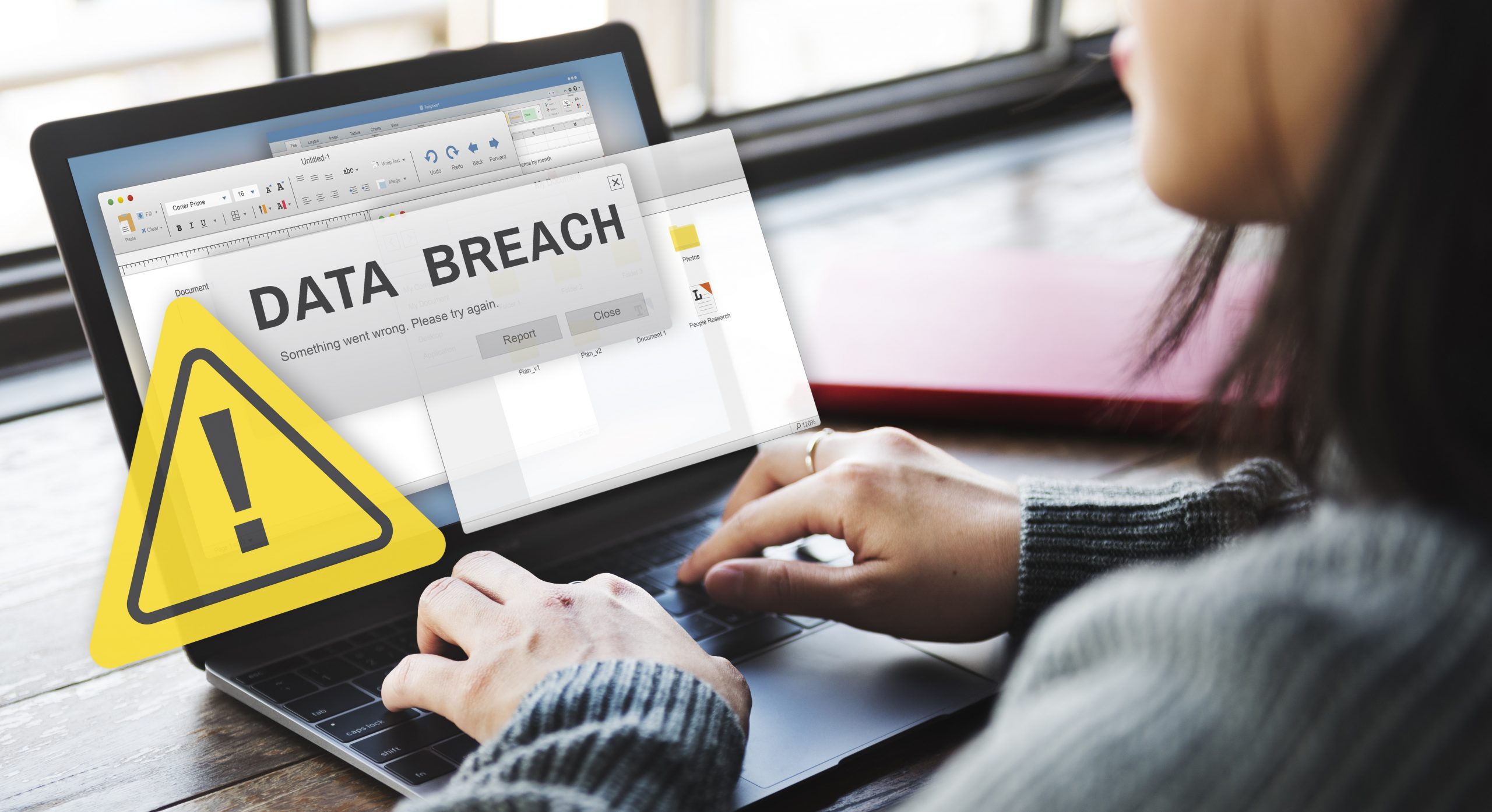
“Media has recently reported several instances of small Australian businesses having their social media pages hacked and either held to ransom, used to post scams that take advantage of their customers’ trust, or having money siphoned out of the accounts they’d set up to pay for advertising – all outcomes that are incredibly detrimental to these businesses and the individuals behind them,” Ms Lisle said.
“Social media can be a wonderful way to keep in contact with our loved ones and share what we are up to, but as more of our lives are carried out online, we need to be conscious of the information we put out to the world and who can access it.
“Cyber criminals have become far more sophisticated in their tactics and the trove of information available on social media is making it easier than ever for hackers and scammers to guess passwords, commandeer accounts, and gain the trust of unsuspecting victims.
“It’s not just phishing emails containing dodgy links that people need to be looking for anymore – social media lends itself to methods like identity theft and cat-fishing that can be just as, if not more damaging.”
Tips when online
- Never click on links if you are uncertain about where they lead. If you are suspicious, google the organisation and check the name, logos, website, email addresses and phone numbers match the email or message you’ve received.
- If you are asked to provide personal information or transfer finances, google the organisation’s official website and use the details listed to contact them directly and verify the legitimacy of the request, or if it came from a friend, call them to check it was really them.
- Never use personal details for your passwords.
- Never use the same password twice.
- Ensure your password is between eight and 12 characters, with a good mix of random appearing uppercase and lowercase letters, numbers, and symbols.
- Change your passwords frequently.
- Check your social media settings and make sure they are set to private.
- Only connect with people you know.
- Avoid disclosing too much personal identification. For example, be wary of those fun ‘quizzes’ that challenge you to post personal answers as your status, as they often coax people to share detailed information about themselves that could be used as passwords or to solve security questions.
The Department of Education, Skills and Employment projected that demand for skilled ICT security specialists in Australia will increase by nearly 20 per cent between 2020 and 2025, providing plenty of opportunities for tech-savvy locals to pursue a career protecting businesses and individuals from cybercrime.

And with the Certificate IV in Cyber Security currently subsidised for eligible Queenslanders under JobTrainer funding, there’s never been a better time to set yourself on the path to a successful career in information and communication technology (ICT).
TAFE Queensland’s Mooloolaba campus is among the centres to deliver cyber security training.
For more information about ICT courses available on the Sunshine Coast, visit TAFE Queensland or call 1300 308 233.
Receive the day’s local news direct to your inbox by subscribing to SCN’s FREE daily news feed. All it requires is your name and email. See SUBSCRIBE at the top of this article.