

Buying headphones for a Coast summer involves more than comparing sound quality and battery life, according to Australia’s largest entertainment and consumer electronics retailer.
JB Hi-Fi, which has stores across the Coast and online, says heat, sweat, water and outdoor exercise are all considerations when making a purchase decision.
Water resistance, noise cancellation and the ability to hear surrounding traffic can all affect whether a pair suits how it will actually be used.
According to the national retailer, the first consideration is often the simplest: whether the headphones remain comfortable and secure once the temperature rises.
In-ear models generally rely on tips sitting inside the ear canal, while some exercise-focused designs add wings or hooks to provide extra support around the ear.
Over-ear headphones offer a different fit and can provide strong passive isolation, but their larger pads also cover more of the head and ears.
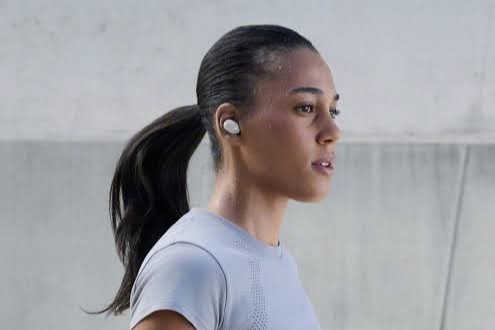
Open-ear designs leave the ear canal unobstructed, making them another option for people who want greater awareness of their surroundings.
Because ear shape and comfort vary from person to person, specifications can narrow the field but cannot determine the best fit.
Water resistance also requires closer reading than terms such as “sweatproof” or “water-resistant”.
Headphones and earbuds commonly use an IP, or ingress protection, rating. The first number relates to protection against solid objects such as dust, while the second relates to water.
An X in a rating such as IPX4 does not mean zero dust protection. It means a rating for that category has not been specified.
The water number also describes a particular test rather than blanket permission to expose a device to any wet environment.
An IPX4 rating covers splashing water, while IPX7 covers the effects of temporary immersion in up to one metre of fresh water for 30 minutes under test conditions.
That distinction can be important for exercise, rain and accidental splashes, but buyers should still check the manufacturer’s instructions for the exact model before taking headphones near a pool or the ocean.
An IPX7 rating, for example, does not automatically make a pair suitable for swimming.
Manufacturers can place additional limits on how their products should be used and water resistance can diminish with wear.
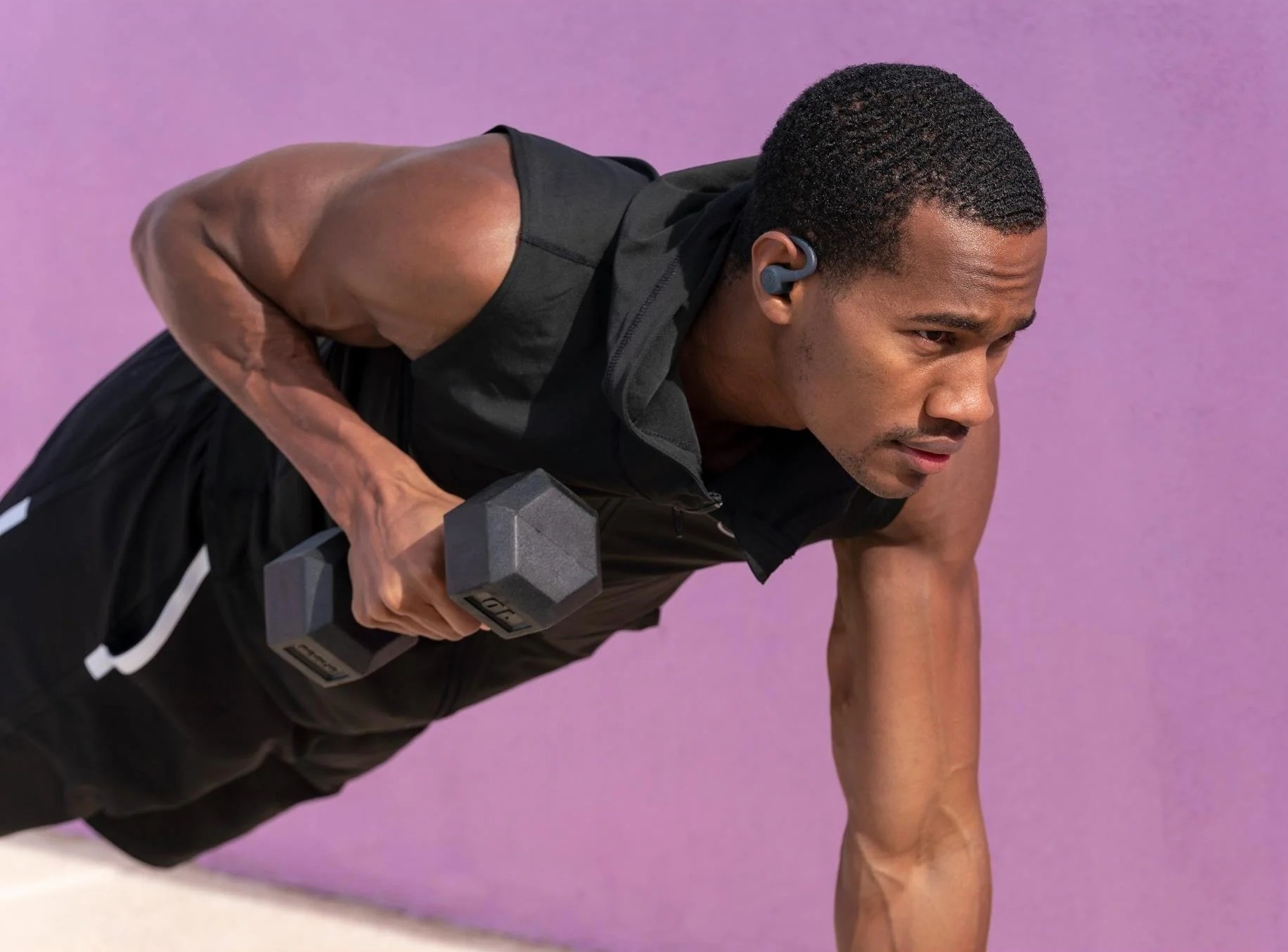
Noise control is another area where the way headphones will be used matters.
Active noise cancellation uses microphones and processing to reduce outside sound and is generally best suited to consistent background noise, making it useful for flights and other sustained travel noise.
It cannot remove every sound equally. Changing noises such as conversation can be less effectively suppressed, while the physical seal created by in-ear tips or over-ear pads can also contribute to how quiet a pair feels.
The opposite requirement arises when people need to remain aware of what is happening around them.
Transparency or ambient modes use microphones to feed outside sound through the headphones, allowing the wearer to hear more of the surrounding environment without removing them.
Open-ear headphones approach the issue differently by leaving the ear canal open rather than electronically reproducing outside sound.
That can make transparency or open-ear designs worth considering for people walking or running along busy shared paths where hearing bicycles, vehicles and other users can matter.
Battery specifications deserve similar scrutiny. The advertised figure is usually based on defined test conditions and can change depending on features such as active noise cancellation, volume and use.
Heat is another reason to treat wireless headphones and their charging cases like other battery-powered electronics rather than leaving them in a hot vehicle for extended periods.
The most useful shortlist therefore starts with intended use rather than brand: secure fit for exercise, an appropriate IP rating for likely exposure, noise cancellation for travel or transparency and open-ear options where situational awareness is important.
JB Hi-Fi carries in-ear, over-ear and open-ear headphones from a range of brands.
Buyers can compare specifications through its headphones range before checking the fit and manufacturer guidance for individual models.