

Drivers are increasingly taking their cues from technology rather than speed signs, according to new Sunshine Coast research into app-based police alerts.
In the Australian-first study, University of the Sunshine Coast researchers found more than half of drivers were speeding before being alerted through the crowdsourced GPS navigation and traffic app Waze, compared with about a quarter afterwards.
Research Associate Dr Levi Anderson said drivers appeared to be reacting to the threat of enforcement rather than the speed limit itself.
“In addition, the alerts usually appeared within a 14-minute window of UniSC researchers starting to take speed measurements, quickly warning drivers of what they understood to be police enforcement ahead,” he said.
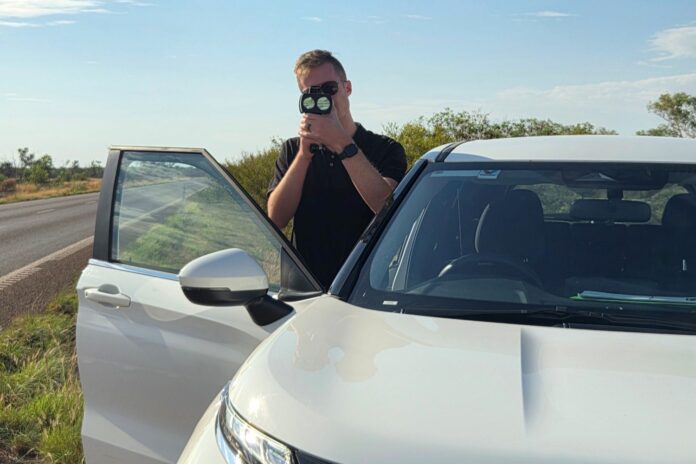
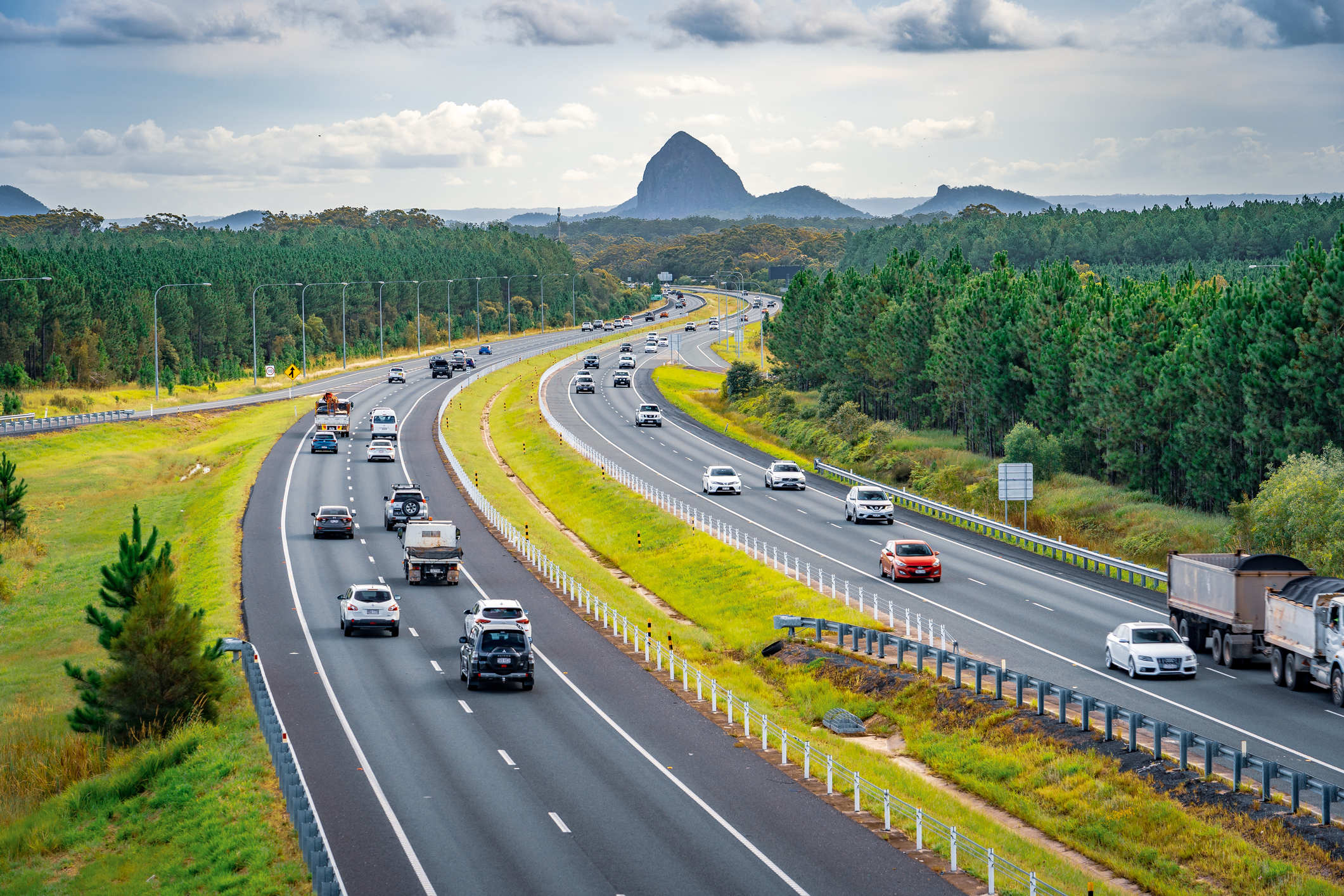
Researchers used a laser speed measurement device to record more than 9000 vehicle speeds at 33 sites across South-East Queensland.
The locations included arterial roads, residential streets, school zones, commercial or industrial areas and roadworks.
Speeds fell after an alert appeared at all 33 study sites.
“This effect also grew with speed, with the greatest speed changes recorded on highways, especially at roadworks,” Dr Anderson said.
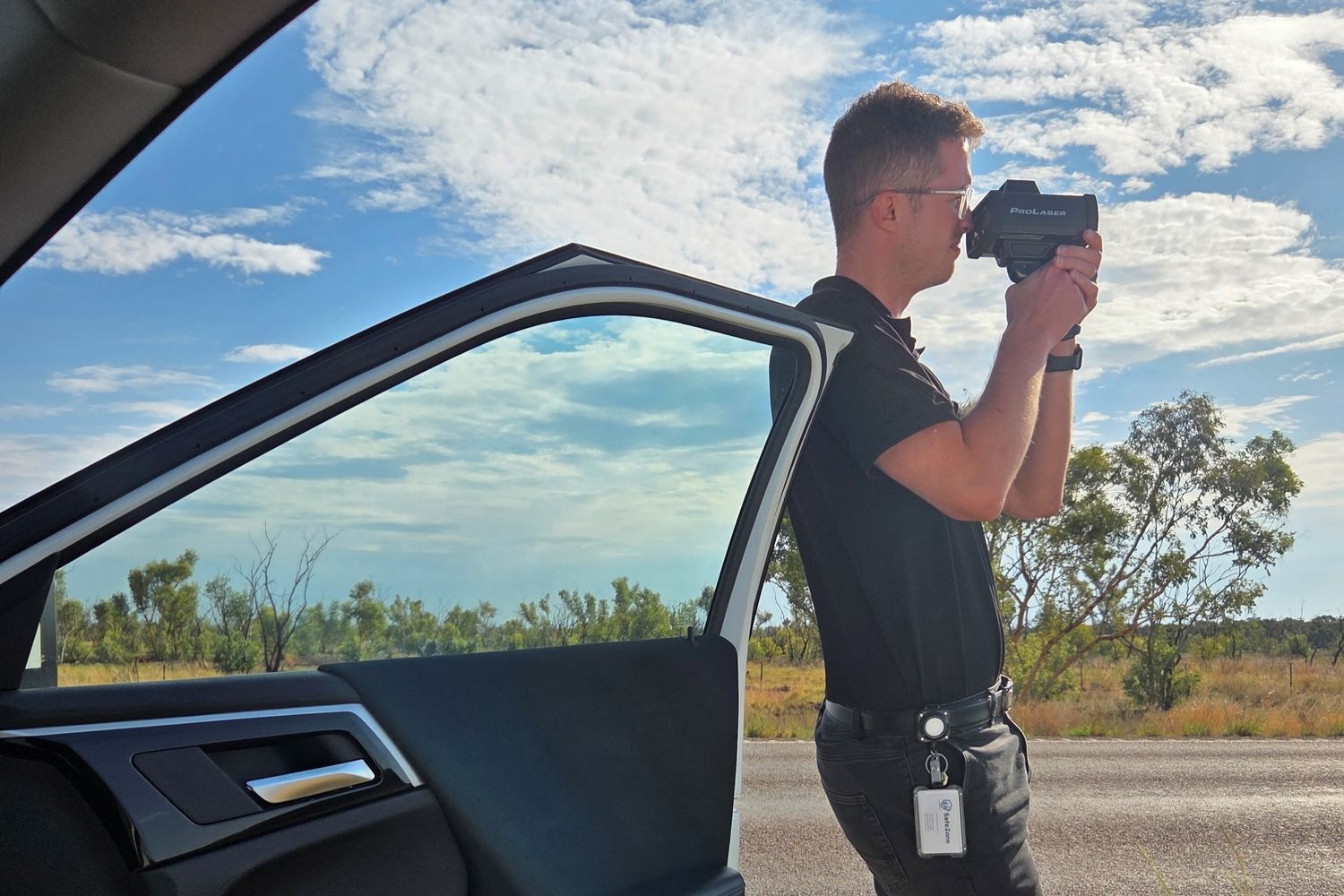
“In a 100km/h zone, for example, the proportion of speeding drivers fell from 64 per cent to 12 per cent after an enforcement alert was shared on the app.
“The smallest reaction, however, occurred in active school zones where 38 percent of drivers continued speeding above the 40km/h limit despite an app alert.”
Overall, the average speed difference across all zones between vehicles travelling before and after the alert was about 5km/h.
Dr Anderson’s paper, Waze to beat the system, was published this week in the Journal of Experimental Criminology.
“Despite the mass adoption of platforms like Waze, this is the first research to use direct observation of laser-measured vehicle speeds to find out if crowdsourced alerts actually influence driver behaviour,” he said.
“These results, along with other research, suggest that app alerts provide a short-term, localised benefit in reducing speeds and crash risks at particular sites for limited times, but are a long-term detriment to road safety as drivers become emboldened to speed if the app doesn’t warn them about police ahead.
“Drivers who did not slow may not have had the Waze app, or hoped their illegal speed was insufficient to trigger an infringement notice.”
Dr Anderson, a member of the MAIC/UniSC Road Safety Research Collaboration, said the practical implications of the study had already been shared with frontline police.
“In this study, the laser device was being used by researchers – not police – but the findings can certainly help inform how police conduct speed enforcement,” he said.
“This could include rapidly moving locations within that 14-minute time period between police setting up a checkpoint and an alert appearing on Waze.
“If longer, static police operations have more chance of being advertised on an app, police may opt for shorter, geographically dispersed deployments.”
Scroll down to SUBSCRIBE for our FREE news feed, direct to your inbox daily.
Peter Flanders, a study contributor and UniSC adviser who was a Queensland Police officer for more than four decades, said speeding remained one of the most significant contributors to road trauma globally.
“In Queensland, it is a contributing factor in approximately one-third of fatal crashes, making it a persistent priority for road safety stakeholders and enforcement,” he said.
He said previous research had established that as vehicle speeds increased, both the likelihood and severity of crashes rose exponentially, while the perceived probability of being caught had a stronger deterrent effect than the severity of a penalty.
“The ‘halo effect’ is where speed reductions occur not only at the site of enforcement, but also in the surrounding areas and for a time after that enforcement site,” he said.
“The extent of the halo, however, depends on drivers believing that enforcement is both present and unpredictable. Technology has altered these dynamics.
“This study could help inform strategic operational planning, to help police leverage app alerts to improve driver behaviour and road safety for everyone on the road.”



