
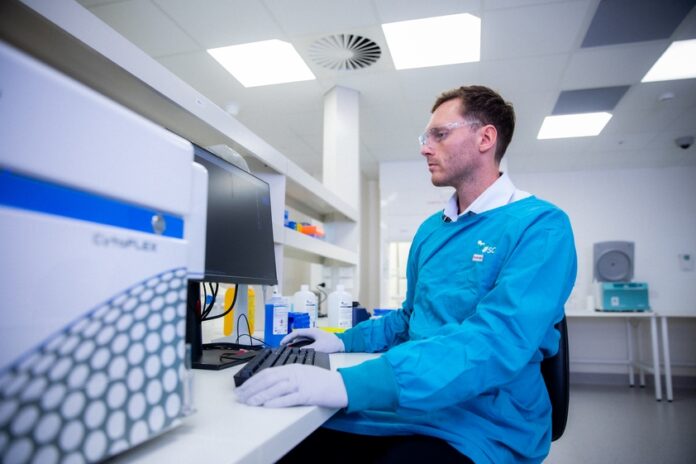
A first-of-its-kind human tissue biobank will be established on the Sunshine Coast to combat Australia’s second-leading cause of cancer deaths.
Researchers at the University of the Sunshine Coast (UniSC) will grow miniature, 3D models of bowel cancer tumours in a laboratory to test potential new treatments.
It’s believed to be Australia’s first human tissue biobank dedicated to early-onset bowel cancer, using living tissue donated by Sunshine Coast patients under 50.
The tissue will be used to investigate why rates of the disease have risen sharply and whether modern environmental and lifestyle factors – including increased antibiotic use, microplastics, chemicals and other new exposures – are contributing to the trend.
The biobank is part of a $2.5m national project investigating the alarming rise in the disease among younger Australians.
More than 1,800 Australians under the age of 50 are diagnosed with bowel cancer each year, making it the country’s deadliest cancer for people aged 25-to-54.
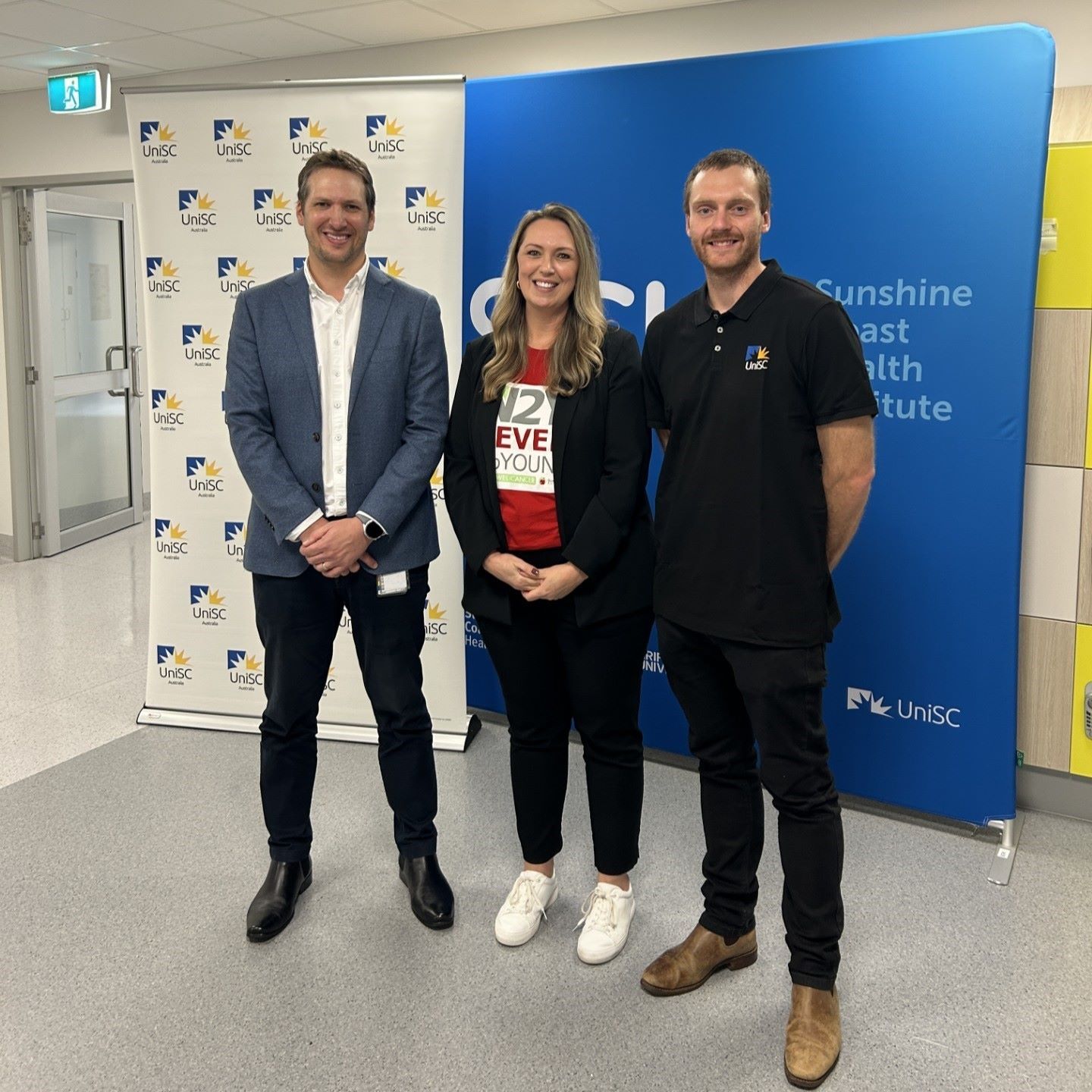
UniSC cancer biologist Dr Lochlan Fennell will establish the biobank at the Sunshine Coast Health Institute.
He said the research aimed to better understand the disease and improve treatment.
“Over the past two decades, there has been a 200 per cent jump in the incidence of early-onset bowel cancer in Australia and we are working to identify the causes behind this trend,” Dr Fennell said.
“We hope that analysing the tissue stored in the biobank will help us better understand how risk factors have changed over time, as well as how the disease develops and progresses.
“We will grow miniature, 3D models of cancer tumours in our laboratory to allow us to test possible new treatments.”
Do you have an opinion to share? Submit a Letter to the Editor at Sunshine Coast News via news@sunshinecoastnews.com.au. You must include your name and suburb.
Sunshine Coast Health acting medical director of Medical Oncology Dr Michael Allen said eligible patients receiving treatment at Sunshine Coast University Hospital, Nambour and Gympie would be invited to donate tissue for the biobank.
“Sunshine Coast Health is already caring for patients with early-onset colorectal cancer through facilities at Sunshine Coast University Hospital, Nambour and Gympie, enabling a seamless integration with the scientific program with UniSC,” Dr Allen said.
“The incidence of early-onset colorectal cancer is increasing and, as such, research into causes and how to best treat this unique subset is required to improve outcomes.
“The aim is to limit the devastating impact of a cancer diagnosis in such young people in the prime of their lives.
“Within Sunshine Coast Health we have seen an approximate 15 per cent increase in the number of colorectal cancers diagnosed over the past five years.
“During this time, there has been a steady increase in the number of young patients diagnosed with colorectal cancer, with eight per cent of diagnoses under the age of 40 in this calendar year.”
The three-year collaboration is led by Associate Professor Dan Buchanan, head of the Colorectal Oncogenomics Group at the University of Melbourne.
“We think that new exposures, chemicals and bacterial toxins related to modern living are causing the increase in early-onset bowel cancer,” Mr Buchanan said.
“By comparing modern-day early-onset bowel cancers with those diagnosed decades ago, we aim to identify how the risk factors have changed over time.”
The project is jointly funded by Cancer Australia and the National Health and Medical Research Council.