
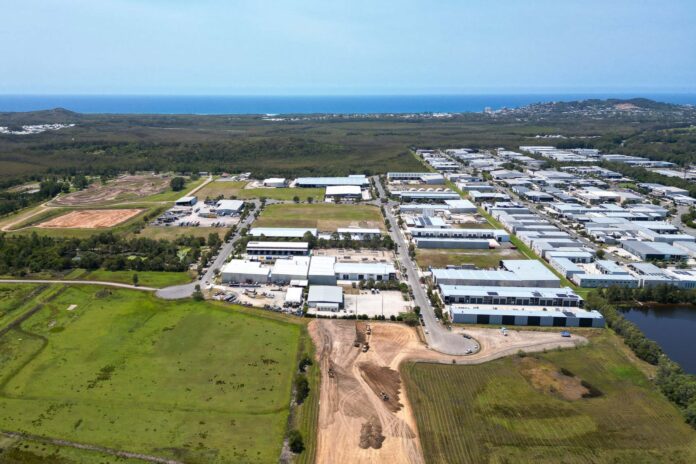
The Sunshine Coast could run out of available industrial land as early as 2028, with one of the region’s leading commercial property figures warning supply is tightening at a rapid pace.
Ray White Commercial Northern Corridor Group managing director and commercial principal Michael Shadforth said the forecast was underpinned by transaction data and analysis of ‘active pipeline’ land – sites that are fully serviced and ready for immediate development.
He said the outlook aligned with broader warnings contained in Property Council Australia’s No Room to Grow: Industrial Land Supply and Vacancy Report (2025), which highlights tightening industrial supply across South East Queensland.
“We are extremely confident because our findings mirror the regional alarm sounded by the Property Council,” he said.
Mr Shadforth said the Sunshine Coast faced a more acute constraint than Greater Brisbane due to its limited ability to unlock large-scale alternative land corridors.
“On the Sunshine Coast, the clock is ticking even faster; unlike Brisbane, we don’t have the massive ‘release valves’ of the Ipswich corridor to fall back on.”
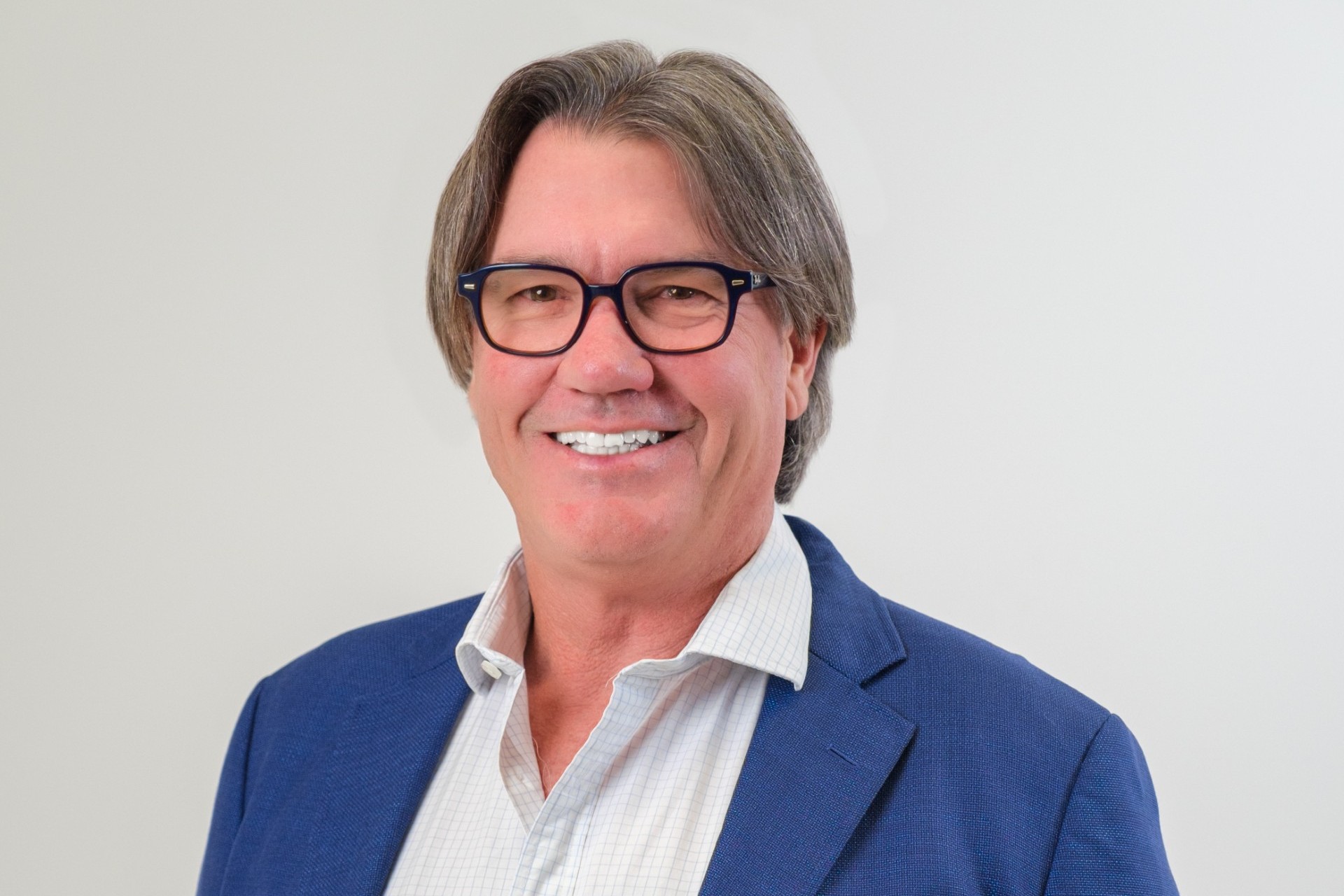
He said the region was experiencing unprecedented absorption rates – the speed at which industrial land is taken up by developers and end users.
“Greater Brisbane is currently consuming an average of 210 hectares of industrial land every single year – that is equivalent to three Victoria Parks being swallowed annually.”
On the Sunshine Coast, he said demand had accelerated to the point where land previously expected to last a decade was now being absorbed in under three years.
“We have hit a record-breaking wall of demand. Land we once thought would last a decade is now being completely snapped up in under three years.”
Mr Shadforth said available supply had fallen by about 50 per cent in just 18 months, driven by three major forces: the e-commerce boom, infrastructure limitations and post-Covid supply chain changes.
He said the shortage was being driven by a perfect storm of surging demand and infrastructure constraints, alongside structural shifts in how businesses operate post-Covid.
A spokesperson from the Deputy Premier’s office said the government was working to address long-term industrial land supply challenges through statewide planning reform and infrastructure investment.
“The Crisafulli Government is delivering 13 new regional plans to deliver a place to call home for more Queenslanders and unlock more opportunities for businesses to grow,” they said.
“The South-East Queensland Regional Plan to be delivered this term will provide a clear foundation for the supply of industrial land, including on the Sunshine Coast.”
They added the government had prioritised unlocking industrial land through its economic development agencies and new funding initiatives aimed at accelerating infrastructure delivery.
Want more free local news? Follow Sunshine Coast News on Facebook, LinkedIn and Instagram, and sign up for our FREE daily news email.
Mr Shadforth said online retail growth was a key driver of demand pressures.
“Online retail spend hit a record $68.9 billion in 2024, creating an insatiable and immediate need for local warehouse space.”
He said infrastructure delays were also constraining delivery of new industrial estates.
“You cannot build on land that has no power, water or road access. Development is being choked because essential trunk infrastructure hasn’t kept pace with zoning.”
He added that businesses were also carrying more inventory than before the pandemic, requiring larger industrial footprints.
Demand is now being led by logistics, distribution and advanced manufacturing, reflecting a broader shift in the region’s economic base.
“Logistics and distribution now occupy nearly 39 per cent of the region’s industrial space,” Mr Shadforth said.
He added only a small proportion of existing stock met modern requirements.
“Only 20 per cent of our current buildings are considered ‘prime’ enough to support modern automation and ESG requirements. Everyone is fighting for the same tiny pool of top-tier land.”
Mr Shadforth warned the Sunshine Coast was more exposed than other regions due to its constrained land supply compared with growth corridors elsewhere in Queensland.
He said the economic consequences of continued shortages would be felt widely.
“Prime industrial rents are already 50 per cent higher than in 2021. Those costs go straight to the consumer,” he said.
“If businesses are forced to move further away, we risk losing our best workers to unsustainable commute times and toll costs.”
He said urgent action was needed across three areas: enabling infrastructure, stronger protection of industrial zones and incentives for redevelopment of older sites.
Michael Shadforth is part of the broader Shadforth family, which has a long-standing history in civil construction and development across Queensland. The business, Shadforth Civil Contractors is owned by a family member and Mr Shadforth is independent of this in his capacity as Commercial Principal at Ray White Commercial Northern Corridor Group and President of the Caloundra Chamber of Commerce. He is not involved in the day-to-day operations, management, or decision-making of Shadforth Civil Contractors.