
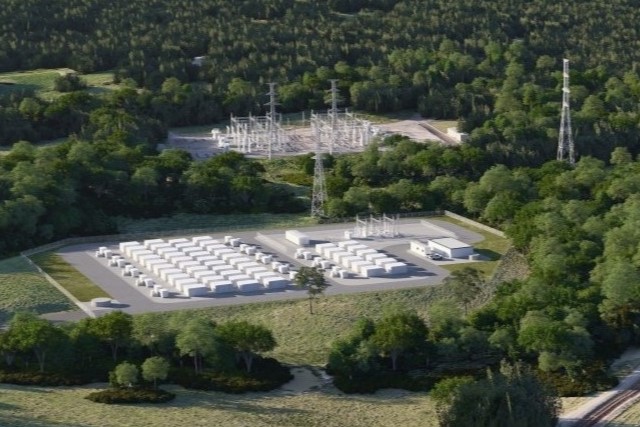
A new large battery storage system has been proposed for the Sunshine Coast, to strengthen the community’s electricity reliability.
A development application for a facility at Cooroy is expected to be lodged by Victorian-based energy company Enervest.
The business provided a statement to Sunshine Coast News, outlining its plans.
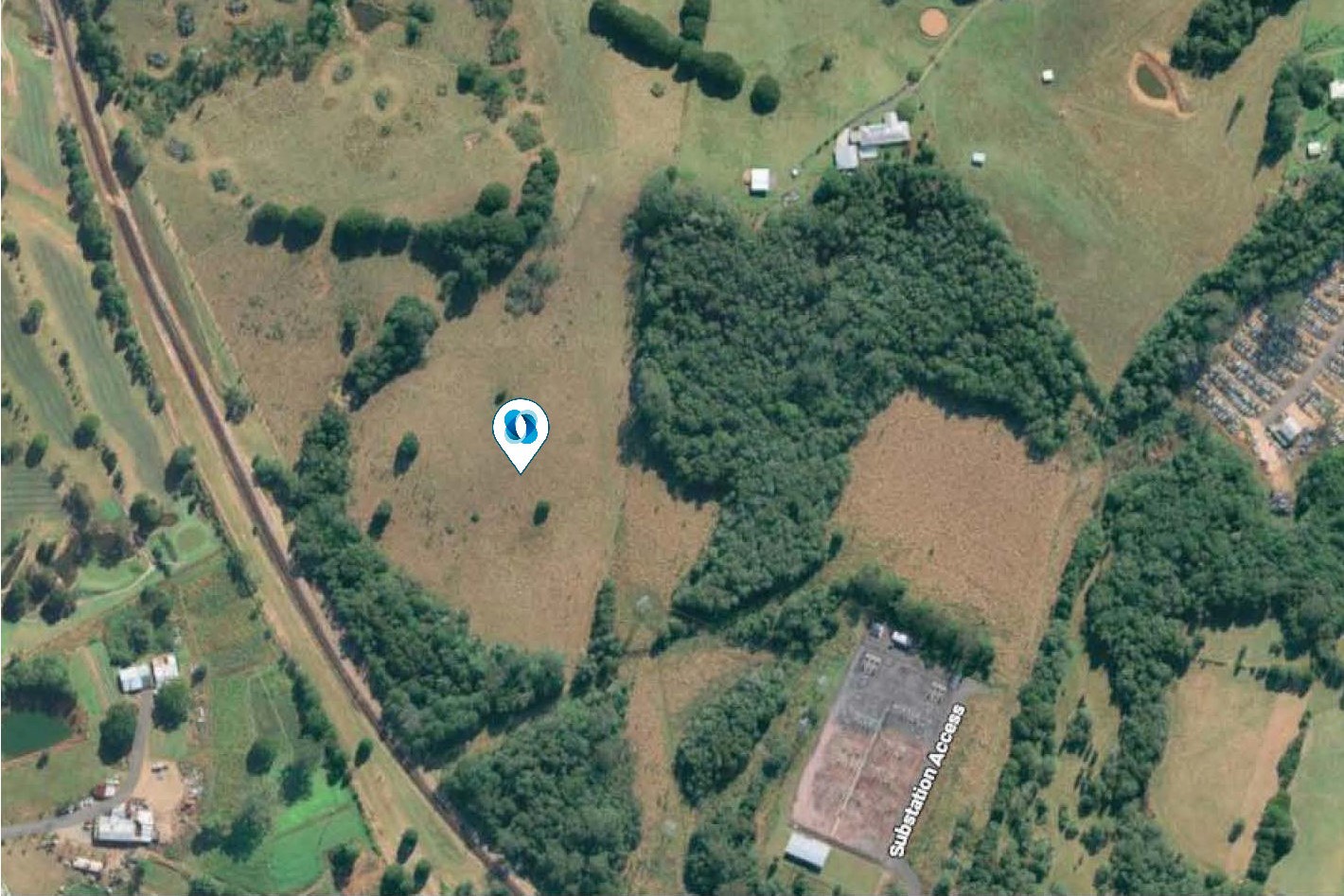
“The proposed Cooroy BESS will be located at 92 Cooroy Mountain Rd, at the southern end of the block next to the existing Energex substation.
“It will be approximately 500m back from the road and will not be visible from Cooroy Mountain Road.
“The site was carefully selected following a thorough assessment and evaluation of a range of factors including technical and environmental requirements.”
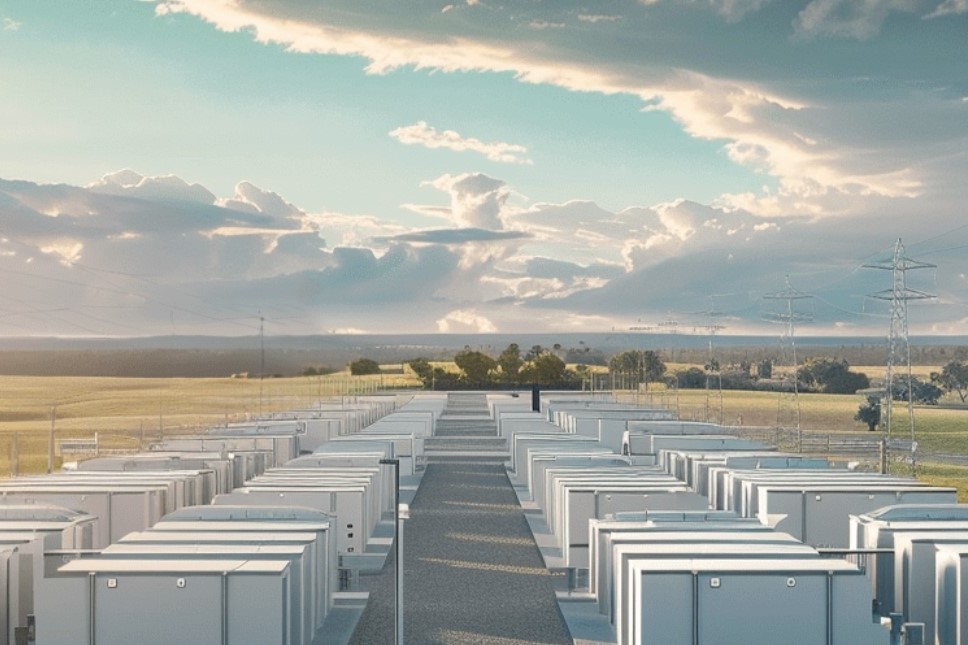
Enervest stated the expected benefits of the 100MW capacity facility on a 3ha project site.
“Once operational, the Cooroy BESS will provide the network with a battery storage capacity of up to 400MW hours, ensuring a reliable electricity supply by storing excess energy from the grid during periods of low demand and discharging this stored energy during times of peak demand.”
Enervest CEO Ross Warby told Sunshine Coast News the company was finalising paperwork for the project.
“Enervest is currently updating the development application for our Cooroy battery energy storage system proposal, following the new planning requirements recently introduced by the Queensland Government. This includes completing any additional technical assessments,” he said.
Under rules introduced late last year, the project will be assessed through the State Assessment and Referral Agency (SARA).
Large stand-alone BESS projects (50MW or more) must undertake social impact assessment and agree with the local government on community benefits before lodging a development application. All large-scale standalone BESS projects will also be impact assessable, meaning mandatory community consultation.
Enervest stated that it had been preparing to lodge a DA with Noosa Council in December and “had made significant progress on the technical studies to support it”.
“(But) following changes to Queensland’s planning framework, the project will now be assessed through the State Assessment and Referral Agency (SARA). We are now working to complete the additional studies required under the new approvals pathway before lodging the application.
“Enervest has engaged directly with adjoining landholders and nearby residents and held a drop-in session for the general public. Additional stakeholder engagement will be conducted as part of a social impact assessment.
“Following the lodging of the DA there will be an additional public notification period.”
Mr Warby said Enervest was eager to fit in, and boost energy in the region.
“We’re genuinely looking forward to working alongside the local community and Cooroy and Noosa region businesses, not as bystanders, but as local partners,” he said.
“Our aim is to deliver meaningful local participation and support regional capability, while strengthening the stability and resilience of the electricity network.”
The Enervest website states that the company has been in operation for more than 17 years and delivered more than 500 projects.
“We design and develop large-scale energy storage systems and energy infrastructure products that keep Australia’s power grid stable and future ready.”
Do you have an opinion to share? Submit a Letter to the Editor at Sunshine Coast News via news@sunshinecoastnews.com.au. You must include your name and suburb.
The site also detailed how a BESS works.
“A BESS is a utility scale battery that stores electrical energy (ie from excess wind/solar or traditional power sources) for use at a later time.”
“It helps balance supply and demand on the power grid by distributing the stored energy when it’s needed most. Most commonly this is during the evening peak demand period. This improves grid stability and reliability by providing a flexible and responsive energy resource.
“As coal plants close, the grid needs fast dispatchable energy to help balance generation and load. BESS is one of the cheapest and most reliable ways to do this.
“A BESS system comprises of BESS containers and also other components like inverters for converting energy and switchgear and substations for distributing the power to the network.
“There will also be ancillary equipment constructed to support the project such as control systems for managing storage and distribution, and fire safety features to ensure efficient and reliable operation.”
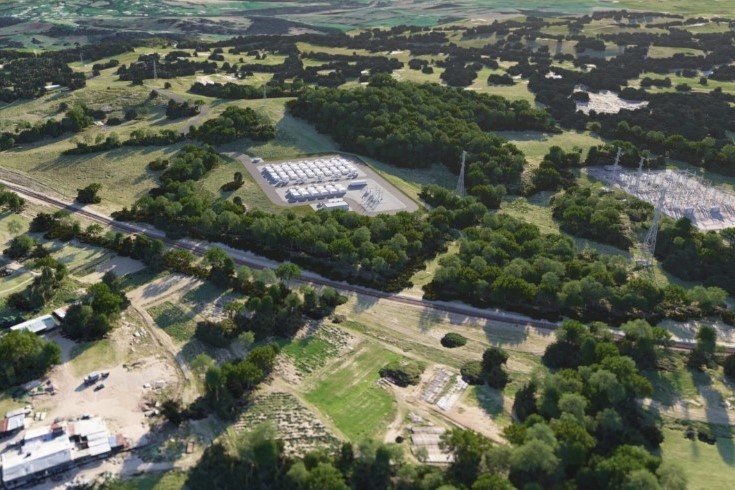
The site outlined what the Cooroy BESS could look like.
“A BESS typically contains groups of battery modules housed in containers or enclosures.
“These modules are connected to power conversion systems (inverters) and control equipment, ensuring efficient energy storage and management.
“BESS facilities are modular and can be configured based on specific site and capacity requirements.
“During the project planning phase, considerations will be made for visual impact mitigation, including the potential use of screening methods such as landscaping or artificial barrier to blend the facility with its surroundings and reduce its visual footprint (if required).
“Since batteries have a much smaller footprint than transmission lines and large scale solar and wind farms, screening is easier.
“Typically, the BESS units are housed in shipping containers that are approximately 3 to 3.5m high. The switchgear buildings and the main transformers are around 6m and 7m high respectively.”