
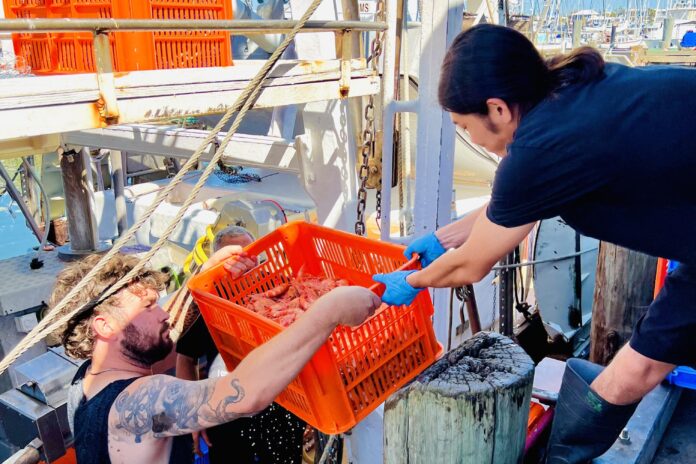
Reported diesel shortages are leaving fishing boats stranded at the Mooloolaba wharf, threatening local businesses and putting thousands of jobs on the line.
Federal Member for Fisher Andrew Wallace said local fishing businesses were already being directly affected, warning the issue highlighted serious vulnerabilities in Australia’s fuel supply.
“Right now, on the Sunshine Coast there is zero diesel available on the wharfs at Mooloolaba for our fishers. That means they can’t leave port and they can’t go fishing,” Mr Wallace said.
“Around 50 local businesses rely on fishing from the Mooloolaba wharf. If they can’t access fuel, they can’t operate, they can’t export, and people start losing work.”
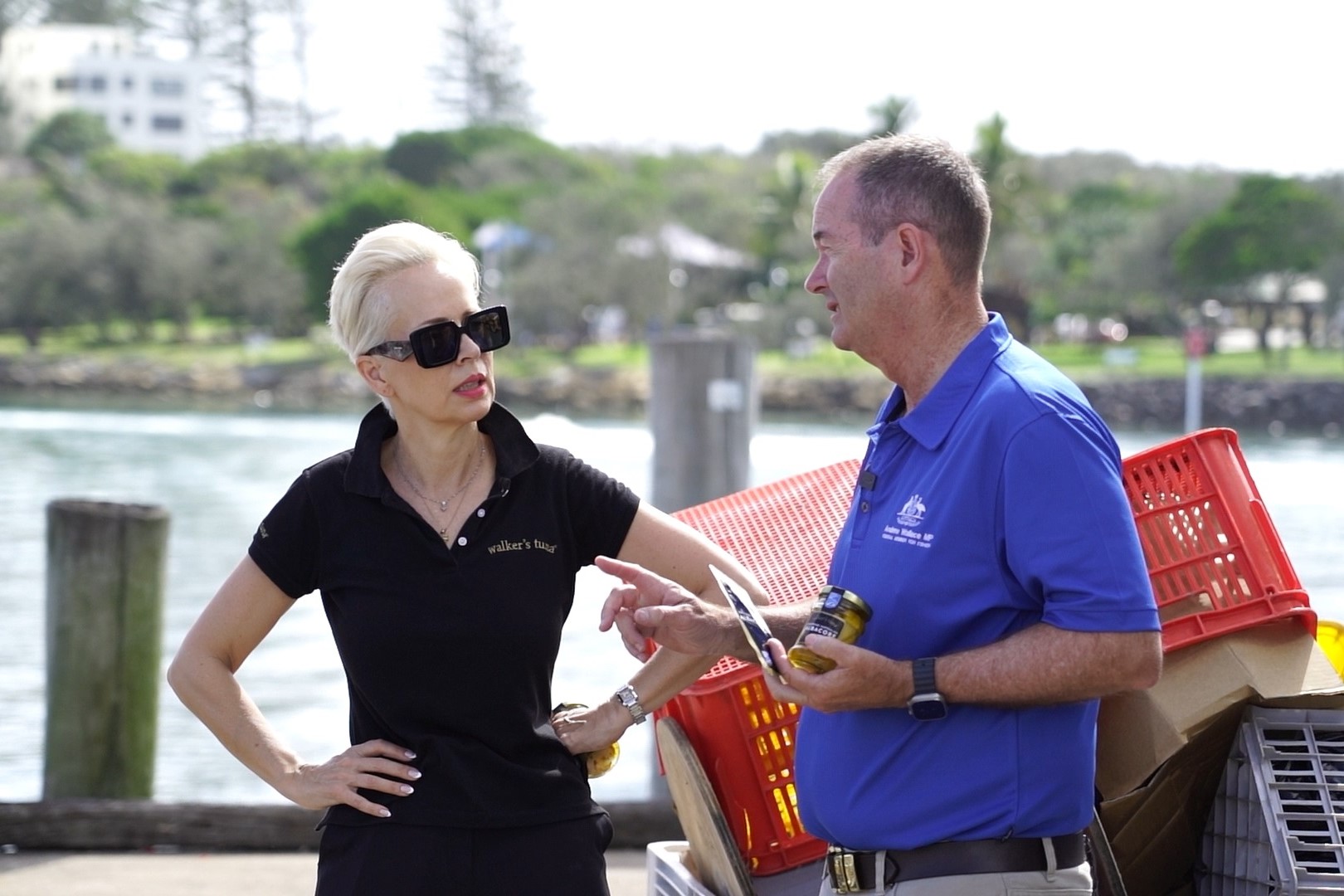
Mr Wallace said the situation raised serious questions about the Government’s claims regarding Australia’s national fuel reserves, particularly following recent assurances that supplies were strong.
“Just last week the Government was claiming Australia had more than 30 days of liquid fuel supply. Yet nine days into the conflict in the Middle East we’re already seeing industries grind to a halt because they can’t access diesel,” he said.
“This is having real world consequences for coastal communities like the Sunshine Coast, where fishing is a major local employer and an important part of Australia’s food supply.”
Fishing operators at the wharf said vessels were currently unable to fuel up.
“If we can’t get fuel, we can’t operate,” Walker Seafoods Australia owner and CEO Pavo Walker said.
“We don’t have a business. We’ll see what happens, but it doesn’t look like it’s going to be resolved quickly.”
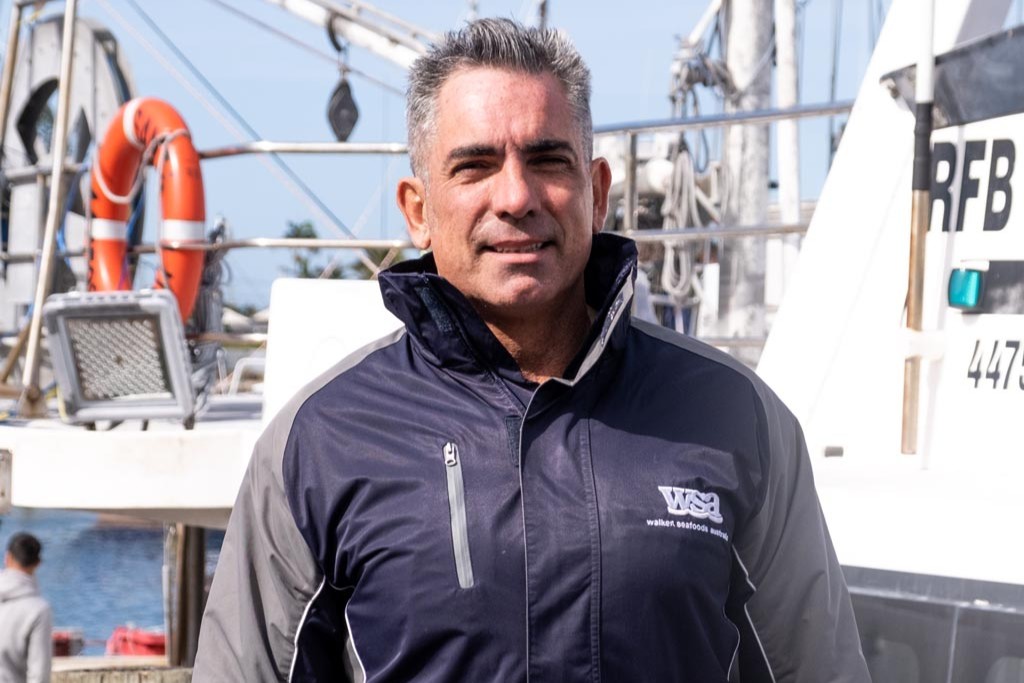
He warned the impacts could soon be felt by consumers through rising food prices.
“It’s also an issue for the Australian consumer – the lack of supply will increase pricing and add more inflation,” he said.
“So, we’re going to see impacts on farmers, fishermen, miners and trucking – and ultimately on food prices and inflation for the average Australian family.”
Australia remains heavily dependent on imported fuel, Mr Walker said.

“Australia basically lives hand-to-mouth in hope that nothing goes wrong in the fuel supply chain.
“Australia has had a strategy based on hope – and hope is not a strategy.”
Rockliff Seafoods spokesperson Vanessa Rockliff said fishers were also worried about supply issues affecting other critical products.

“Fishermen are also watching closely to see whether there will be shortages to other essential fishing consumables, such as engine oil,” she said.
“That’s why it’s more important than ever to support our local food and beverage businesses, to ensure our food sovereignty for the future on the Sunshine Coast.”
Craig Hansen, general manager of 4 Seas, said even short disruptions to fuel supply could have major consequences for the seafood supply chain.
“Our firm has been operating since 2001, employing 50 staff and managing six tuna longline boats for both domestic and export markets,” he said.
“If boats cannot refuel on schedule, we cannot hit our sailing windows. A delay in port isn’t just lost time – it risks our perishable product quality and disrupts our weekly supply chains to Brisbane, Sydney, Melbourne, and our export partners.”
Want more free local news? Follow Sunshine Coast News on Facebook, LinkedIn and Instagram, and sign up for our FREE daily news email.
Mr Hansen said rising fuel prices were already placing significant financial pressure on operators.
Last year the company’s vessel fuel bill was about $1.5 million.
“A 25 per cent increase in fuel costs adds roughly $400,000 to our annual operating expenses,” he said.
“A 50 per cent increase would add $800,000. A prolonged spike in costs, combined with supply uncertainty, puts significant pressure on business sustainability and ultimately forces cost up for consumers.”

Supply of fuel is a national issue and responsibility of the Federal Government, a Queensland Treasury spokesperson said.
“Queensland is part of the coordinated national framework that maintains strengthened national fuel reserves,” they said.
“Nationally, we have about 36 days’ supply of petrol, 34 days of diesel, and 32 days of jet fuel.”
In a letter to Federal Energy Minister Chris Bowen on March 9, Queensland Treasurer David Janetzki warned delays in outlining a fuel security plan could affect everyday life across the state.
“It is critical we get this plan from you, as with every passing day I fear we are on the precipice of major impact on daily life in our State,” he wrote.
Queensland Seafood Industry Association chief executive David Bobberman is calling for an emergency relief subsidy for primary producers.
“When I’m looking at prices above $2.50 to $3a litre for diesel, we can’t afford that,” he said.
“Boats will go broke, boats will park up, trucks will park up.
“There needs to be a price subsidy for primary producers because this is going to have a massive effect on inflation.”